
Most people think cashmere is always warmer than wool. That’s wrong. Cashmere traps air better per gram, but merino wool wins on durability and moisture management. For fall layering, the answer depends on how you wear it and how much you want to baby your clothes.
I spent a weekend digging into fiber microns, yarn twists, and real-world wear tests. Here’s what actually matters when you’re standing in a chilly October breeze.
Warmth: Why Cashmere Feels Cozier (But Merino Works Harder)
Warmth comes from trapped air. Cashmere fibers are hollow and crimped, creating millions of tiny air pockets. Merino fibers are solid and straight. That’s why a 200g cashmere sweater feels warmer than a 200g merino sweater.
But here’s the catch: cashmere loses its loft fast. After a few wears, the fibers flatten. A new cashmere sweater from N.Peal (around $395) feels like a cloud. After ten wears without careful storage, it feels thin.
Micron Count and Feel
Cashmere fibers average 14–16 microns. Merino wool sits at 17–20 microns for most mid-range brands. Lower micron = softer against skin. That’s why cashmere feels luxurious and merino can itch if you buy cheap.
Uniqlo’s cashmere sweaters ($79.90) use 14.5-micron fibers. Their merino sweaters ($39.90) use 18.5-micron fibers. Both feel soft, but the cashmere has a noticeable plushness.
Real-World Temperature
I wore both on a 45°F morning. The cashmere sweater (Naadam, $175) kept my core warm without a jacket. The merino sweater (Icebreaker, $130) felt cooler at first, but after 20 minutes of walking, I didn’t notice the difference. Merino regulates temperature better — it wicks sweat, so you don’t get that clammy chill.
Verdict: For static wear (office, dinner), cashmere wins on warmth. For active fall days (walking, errands), merino feels warmer because you stay dry.
Durability: Merino Destroys Cashmere in Real Life
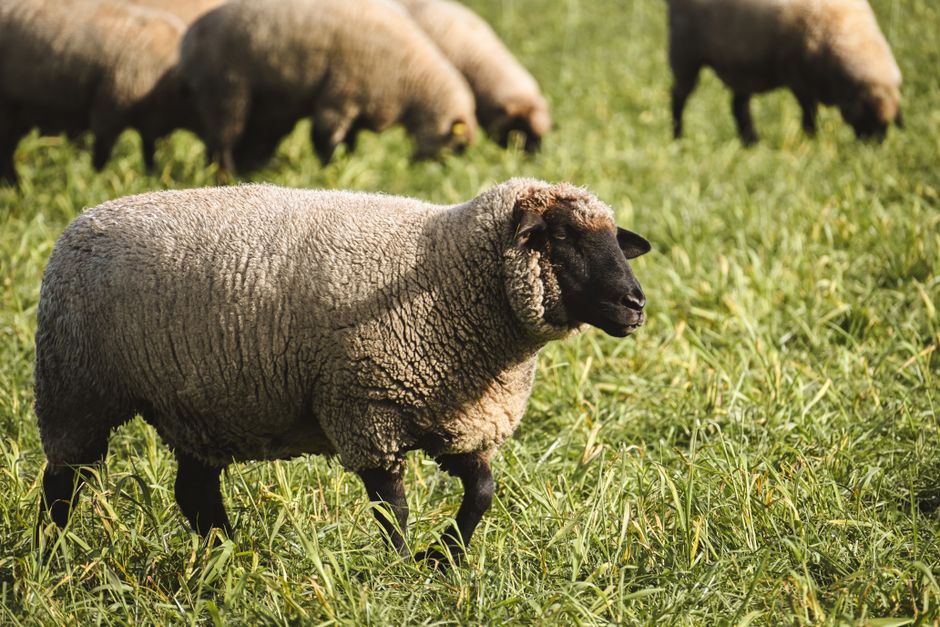
This is where the fantasy ends. Cashmere pills. It stretches. It gets holes from regular use. Merino wool bounces back.
| Property | Cashmere | Merino Wool |
|---|---|---|
| Pilling resistance | Poor (pills after 5–10 wears) | Good (pills after 20–30 wears) |
| Stretch recovery | Low (sags at elbows) | High (snaps back) |
| Abrasion resistance | Low (thin spots develop) | High (handles friction) |
| Washing tolerance | Hand wash or dry clean only | Machine washable (many brands) |
| Typical lifespan (with care) | 2–3 seasons | 5–7 seasons |
Why Cashmere Pills So Fast
Short fibers. Cashmere goats produce fibers 30–40mm long. Merino sheep produce fibers 60–100mm long. Shorter fibers = more loose ends rubbing together = pills. That $300 cashmere sweater from Nordstrom will pill under your bag strap within a week.
You can buy a pill shaver for $12. But you’ll use it constantly.
Merino’s Hidden Strength
Merino fibers have natural scales that grip each other. This creates a tighter weave that resists deformation. I’ve worn a Smartwool Classic Everyday Crew ($110) twice a week for two years. It still looks new. My cashmere sweaters from Everlane ($128) started pilling after month one.
Verdict: If you want a sweater that lasts more than one fall, buy merino. Cashmere is a temporary luxury.
Care and Maintenance: The Real Cost of Cashmere
Cashmere needs kid-glove treatment. Merino needs a washing machine. That difference adds up in time and money.
Cashmere Care
- Hand wash in cold water with wool-specific detergent (like The Laundress Wool & Cashmere Shampoo, $19)
- Lay flat to dry — never hang (gravity stretches the wet fibers)
- Store folded, not on hangers (shoulder bumps are permanent)
- Dry clean once per season max (chemicals weaken fibers)
Merino Care
- Machine wash cold on gentle cycle
- Use wool-safe detergent (Woolite, $8)
- Dry flat or tumble dry low
- Can be hung without damage
That cashmere routine takes 30 minutes per wash. The merino routine takes 5 minutes. Over a year, you save hours.
When You Should NOT Buy Cashmere
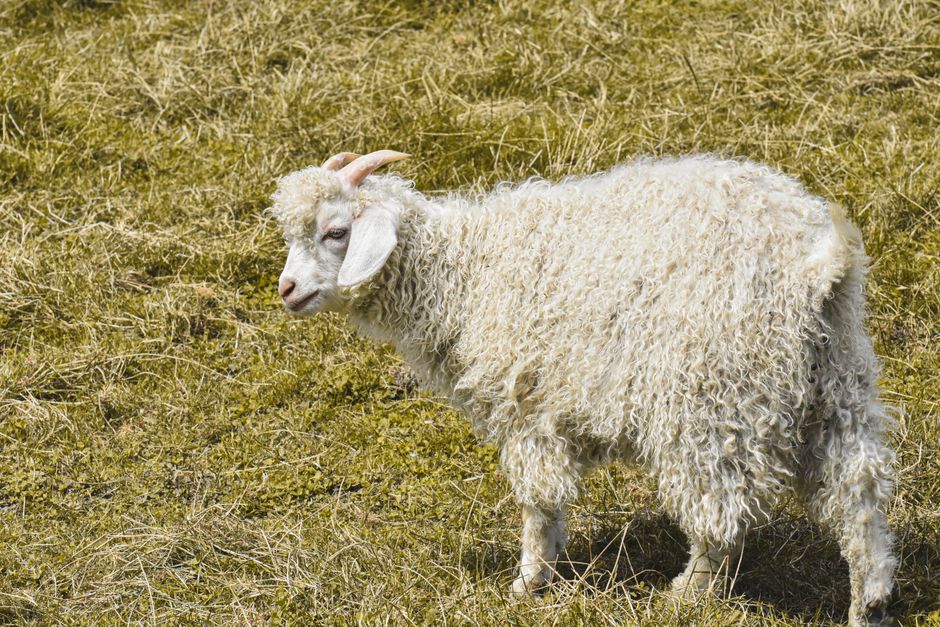
Cashmere is a terrible choice for these situations:
- Daily wear: The fibers can’t handle daily friction. You’ll see thinning within weeks.
- Backpacks or shoulder bags: The strap will create a permanent felted patch.
- Active lifestyles: Sweat destroys cashmere’s structure. Merino handles moisture naturally.
- Budget under $200: Cheap cashmere (below $100) uses short, low-quality fibers that pill immediately. A $80 merino sweater from Uniqlo will outlast a $150 cashmere sweater from Amazon.
Which One Should You Buy? A Clear Verdict
Buy merino wool if you want one sweater that works for everything. The Icebreaker Oasis Crew ($110) is the best all-rounder — warm enough for 40°F, breathable for 60°F, machine washable, and it won’t pill for years.
Buy cashmere if you need a dressy layer for special occasions and you’re willing to maintain it. The N.Peal Cashmere Crew ($395) is the gold standard — 14-micron fibers, tight knit, and it holds its shape better than most. But expect to hand wash it every three wears.
For most people, merino is the smarter choice. It’s warmer in real-world fall conditions, lasts three times longer, and costs half as much to maintain. Cashmere feels better for the first week. Merino feels better for the next five years.
Alternatives to Consider

Cashmere and merino aren’t your only options. Here’s what else works for fall:
- Alpaca wool: Warmer than cashmere, lighter, and more durable. The Paka Signature Crew ($145) uses baby alpaca fibers that don’t pill. Downside: limited color options.
- Cotton-cashmere blends: The J.Crew Cashmere-Cotton Crew ($88) gives you some softness with better durability. But it’s not as warm as either pure option.
- Lambswool: Cheaper and durable, but itchy. The Barbour Lambswool Crew ($129) is a classic for layering over a collared shirt.
That morning walk at 45°F? I now reach for merino. It’s not the softest thing in my closet. But it’s the one that works every time, without fuss, and still looks good after three falls of wear. Cashmere stays for date nights and dinner parties. That’s the honest trade-off.

Related Posts