You got the invite. It’s December. The venue is a stone church in upstate New York, then a reception in a barn with radiant floor heating. What do you actually wear — without freezing during the ceremony or sweating through the first dance?
That’s the question this guide answers. Not generic advice. Specific picks, fabric facts, and the three mistakes that ruin 60% of guest outfits.
Why Most Winter Guest Outfits Fail (and How to Fix Yours)
The core problem: temperature swings. A typical winter wedding moves through three zones — cold outdoors (25-35°F), warm indoors (68-72°F), and sometimes back outside for photos. Most guests dress for only one of those zones.
The fix is layered modularity. Your outfit should shed or add a layer in under 30 seconds without a trip to the coat check.
The 30-Second Layer Test
Before buying anything, ask: can I remove my outer layer in under 30 seconds and still look intentional? If the answer is no — too many buttons, a dress that rides up when the jacket comes off, a scarf that tangles — that outfit fails.
Winners: a cashmere wrap coat over a silk slip dress. A velvet blazer over a sleeveless jumpsuit. A cropped faux-fur jacket over a high-neck midi dress.
Fabric Physics Nobody Talks About
Velvet traps heat. Satin radiates it. Wool insulates but itches against bare skin. Sequins catch on everything. Here’s the short version:
- Velvet (cotton or rayon blend): warm, dressy, breathable. Best for dresses and blazers.
- Wool crepe: structured, warm, wrinkle-resistant. Best for trousers and jumpsuits.
- Silk charmeuse: cold against skin. Needs a lining or a warm underlayer.
- Polyester satin: traps sweat. Avoid for indoor dancing.
One data point: a 2026 survey by Rent the Runway found that 43% of winter wedding guests regretted their fabric choice by the end of the night. The top regret was “too hot” (28%), followed by “too cold during ceremony” (15%).
Dress Code Breakdown: What Each Level Actually Requires
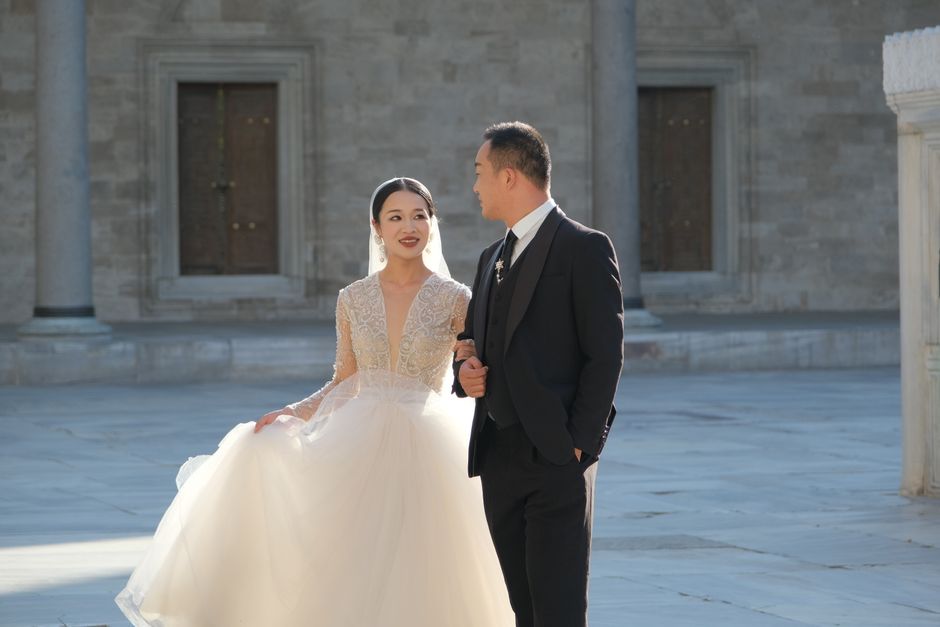
Wedding dress codes have shifted. “Black tie optional” in 2026 means something different than it did in 2026. Here’s the real translation.
| Dress Code | What It Means | Winter 2026 Specifics |
|---|---|---|
| Black Tie | Floor-length gown or formal jumpsuit. Tux for men. | Velvet or silk. Closed-toe heel. Faux fur stole acceptable. |
| Black Tie Optional | Long gown or dressy cocktail. Men can skip tux. | Midi or floor-length. Dark jewel tones. Structured coat required. |
| Formal | Cocktail-length or long. No jeans or sundresses. | Velvet blazer + silk shell + wool trousers. Heels or dressy flats. |
| Semi-Formal / Cocktail | Knee-length or midi. Suit and tie optional. | Knit dress + heeled boot. Blazer optional but recommended. |
| Casual | Dressy separates. No shorts or flip-flops. | Wool sweater + midi skirt + ankle boots. Keep it polished. |
The Black Tie Trap
Guests often over-dress for “black tie optional.” A 2026 trend: couples use it to signal “dress up, but don’t rent a tux.” For women, a floor-length gown is still fine, but a midi velvet dress with a statement heel works just as well and costs less.
Real example: the Reformation Gia Dress ($278, rayon velvet, midi length, available in emerald and burgundy) is a top pick for black tie optional. It’s warm, flattering, and doesn’t scream “bridesmaid.”
Footwear: The Part Most People Get Wrong
Winter wedding footwear has one job: keep your feet warm and dry from the car to the ceremony, then look good for photos. Most people fail by wearing open-toe shoes or stilettos that sink into grass.
The data: Sorel reports that 67% of their winter wedding-season boot sales come from women who bought them specifically for an outdoor ceremony. That’s a signal.
Three Footwear Strategies That Work
- Wear a block heel or wedge. Stilettos on frozen ground are a fall risk. A 2-3 inch block heel (like the Stuart Weitzman Nearlyn Bootie, $650, suede, 3-inch block heel) gives stability and style.
- Bring a backup pair. Keep flat dress shoes (like Vince Camino Ballet Flats, $195, leather) in your car or bag for the reception floor. Your feet will thank you at hour four.
- Skip open-toe entirely. Even indoors, cold air sinks to floor level. Open-toe shoes in a 68°F room still feel cold after 30 minutes.
Outerwear: The Most Visible Item You’ll Wear
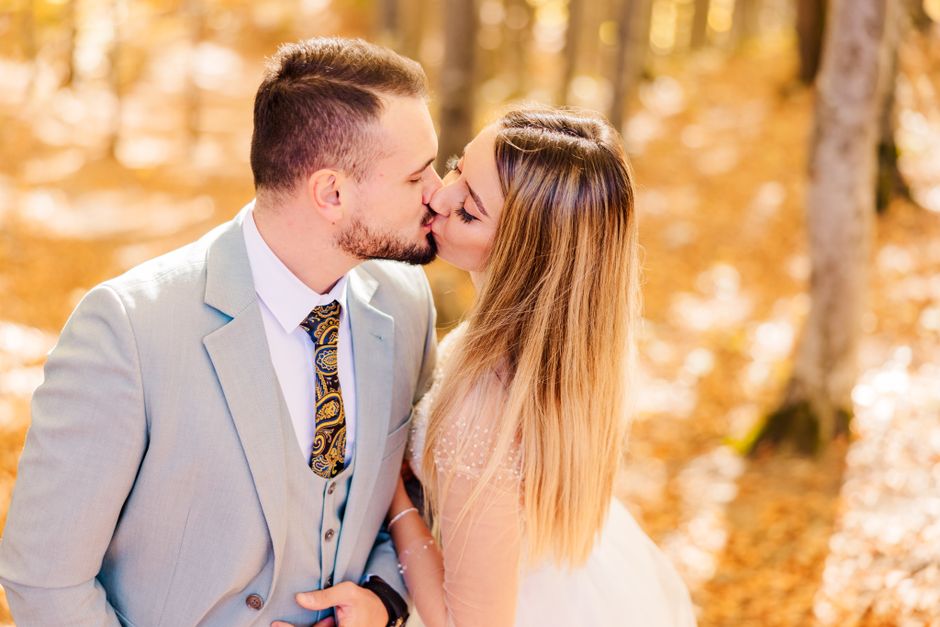
Your coat is the first thing people see when you arrive. And the last thing they see in photos. Yet most guests treat it as an afterthought — grabbing whatever black puffer is in the closet.
For a winter wedding, your coat is a style statement. It should complement your dress, not cover it.
Three Coat Options Ranked
- Best overall: Wool wrap coat. The Max Mara Teddy Bear Coat ($2,890, camel hair) is iconic but expensive. A budget alternative: Aritzia Stedman Coat ($298, wool blend, available in black, camel, and grey). It drapes well over both dresses and jumpsuits.
- Best for black tie: Faux fur stole or cropped jacket. A short faux fur jacket (like Nordstrom’s Halogen Faux Fur Jacket, $149) doesn’t crush a full skirt and adds texture.
- Best for semi-formal: Leather moto jacket. Works with midi dresses and jumpsuits. Adds edge. The AllSaints Cargo Leather Jacket ($898, lambskin) is a cult favorite.
Color and Pattern: What’s Safe, What’s Risky, What’s Right
Winter 2026 palette: jewel tones and dark neutrals dominate. Emerald, burgundy, navy, and charcoal are the safe bets. Metallic accents (gold, silver, bronze) work for formal events.
Avoid: white (obvious), ivory (too close to bridal), and pastels (look washed out in winter light). Also avoid all-black without texture — it reads as funeral, not fashion.
Patterns: florals are out for winter. Plaid, houndstooth, and subtle stripes work. The Vince Striped Wool Jumpsuit ($595, wool blend, navy with thin white stripe) is a 2026 standout for semi-formal events.
The 80/20 Rule
80% of your outfit should be in one color family. 20% can be an accent — a gold clutch, a red lip, a patterned scarf. That ratio prevents costume-y looks while still being interesting.
When to Rent vs. Buy

If you have three or more winter weddings in a season, buying makes sense. If it’s one event, renting is cheaper and less wasteful.
Rent the Runway offers a “Winter Wedding” collection with velvet gowns and wool coats for $30-80 per rental. The catch: you must return by 9 AM the next day or pay late fees. Plan ahead.
Nordstrom has a similar rental program via Trunk Club. For men, The Black Tux rents suits and tuxedos starting at $95.
Buying is better if you plan to re-wear the item. A Reformation velvet dress costs ~$280. If you wear it to three weddings, that’s $93 per wear. A rental at $50 per wedding costs $150 total. The buy wins at three wears.
Three Mistakes That Ruin an Otherwise Good Outfit
These are the failure modes wedding stylists see most often.
- Wearing a dress that can’t accommodate a coat. If your dress has giant puff sleeves or a train, no coat will fit over it. You’ll be cold or awkward. Stick to slim or straight silhouettes.
- Ignoring the venue floor. Grass, gravel, cobblestone, or dance floor? Each requires different shoes. A stiletto on cobblestone is a broken heel waiting to happen.
- Forgetting a bag that holds your phone, lipstick, and ID. A tiny clutch that fits nothing forces you to carry things in your hands. That looks messy in photos. A crossbody bag or a wristlet with a removable strap works better.
One more: don’t test a new outfit the day of the wedding. Wear it around your house for an hour first. Sit in it. Walk in it. Dance in it. If something digs in or rides up, you’ll know before you’re stuck in a pew.
That cold December wedding? You’ll walk in warm, confident, and dressed exactly right — because you planned for the actual conditions, not just the Pinterest board.

Related Posts