You’re standing in a shopping center with $150 to spend before a beach trip. Zara has a linen co-ord in the window for $89. H&M has a similar set for $45. Both claim they’re on-trend. One is actually worth your money — and it depends entirely on what you’re buying.
This comparison cuts past the generic “Zara is more expensive” takes. Here’s a real breakdown by category, with specific items and clear picks for summer 2026.
How Zara and H&M Actually Build Their Summer Collections
Most shoppers treat these two brands as interchangeable. They’re not — and the difference matters most in summer, when trends move fastest.
Zara operates on a roughly two-week design cycle. When a silhouette starts trending on Instagram or at Fashion Week, Zara can have a version in stores within three to four weeks. Their vertical integration — owning much of the manufacturing chain — makes this possible. The tradeoff: smaller batches, faster sellout, limited restocking.
The Speed Difference in Practice
H&M works on longer lead times, often six to nine months. Their summer 2026 collections were largely locked by late 2026. That’s not a failure — it’s a different strategy. H&M bets on macro trends (linen, relaxed silhouettes, earthy tones) rather than micro-trends (the exact runway proportions dominating this specific month). They’re right more often on basics, but wrong more often on statement pieces.
Zara’s Flowing Linen Blend Midi Dress ($69) and their Straight Cut Linen Trousers ($59) appeared in stores within weeks of Mediterranean linen sets dominating spring 2026 editorial coverage. H&M’s equivalent linen pieces had been in the pipeline since fall 2026 — decent execution, but the specific silhouette details were off by a season.
What the Fabric Story Actually Looks Like
Fabric quality sits closer than most reviews admit. Both brands use viscose and linen-blend fabrications heavily in summer. Zara’s weaves tend to be denser; H&M’s lighter-weight fabrics feel cheaper on the hanger but can breathe better in actual heat. Neither brand is consistent across all lines — the H&M Studio annual collection uses noticeably better fabric than their mainline, and Zara’s Studio line outperforms their TRF line every time.
Neither brand is honest about fabric composition percentages in marketing. Check the label. Anything below 55% linen in a “linen” piece is mostly viscose. Both brands do this regularly in their under-$45 summer dresses.
Side-by-Side: Prices, Fit, and Trend Accuracy in Summer 2026
The most useful comparison isn’t by brand — it’s by category. Here’s where the real gaps appear:
| Category | Zara Price Range | H&M Price Range | Better Pick | Reason |
|---|---|---|---|---|
| Linen trousers | $55–$79 | $30–$45 | Zara | Better drape, more accurate cut for 2026 wide-leg proportion |
| Summer dresses (midi) | $49–$89 | $25–$50 | Zara | More precise trend execution, better fabric weight for the length |
| Basic tees and tanks | $20–$35 | $8–$20 | H&M | No trend accuracy needed here; H&M basics are consistently reliable |
| Swimwear cover-ups | $40–$65 | $20–$40 | H&M | Better value, similar quality; Conscious Collection uses better cotton |
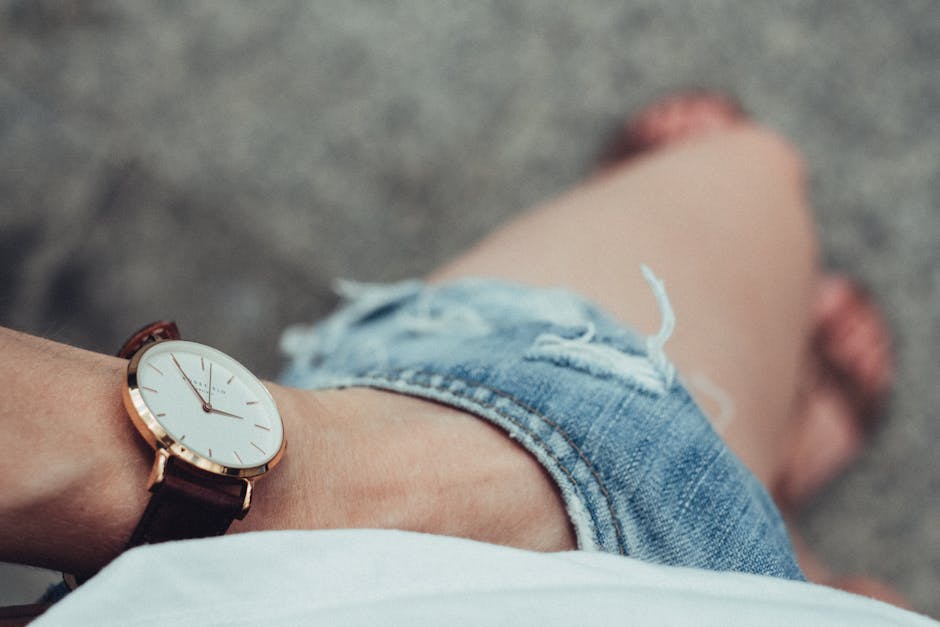
| Denim cutoffs/shorts | $45–$69 | $20–$35 | H&M | Denim quality is comparable; Zara premium is unjustified here |
| Going-out / occasion wear | $59–$110 | $35–$65 | Zara | H&M Studio is good but limited; Zara mainline has far more options |
| Footwear (sandals) | $50–$90 | $25–$55 | Skip both | Neither brand’s summer footwear lasts; spend more elsewhere |
Where Zara Wins — and Why the Price Premium Is Sometimes Justified
Zara is the right choice for anything silhouette-specific. The brand’s ability to read micro-trends means when an exact cut is trending — the dropped shoulder, the precise midi length, the barrel-leg trouser — Zara executes it first and most accurately.
Their Sculptured Linen Blend Co-Ord (top $45, trousers $59) is the clearest summer 2026 example. The proportions match exactly what’s running in editorial right now: cropped boxy top, wide ankle-length leg. H&M’s equivalent, the Linen-Blend Relaxed Suit, uses a similar color story but a more conservative fit that reads more 2026 than 2026.
Zara also wins on occasion wear without debate. Their Draped Crossover Satin Midi Dress ($89) sits in a category where H&M consistently underdelivers — the fabric on H&M’s comparable dresses gets clingy in heat and the construction shows at close range. For a summer wedding guest outfit or a dinner reservation that matters, Zara is the call.
Sizing is another edge. Zara runs small across their women’s line, but at least it’s predictable. H&M’s mainline and Divided line size differently from each other — a size 10 in H&M mainline is not the same as a size 10 in Divided. That inconsistency costs shoppers return trips. Zara’s sizing problem is at least consistent.
The Zara Floral Print Halter Midi ($69) and their Woven Raffia Tote ($50) are both strong summer 2026 picks — the print sourcing and colorway selection at Zara this season has been sharper than usual, and the tote holds up better than its price suggests.
Where H&M Has the Edge
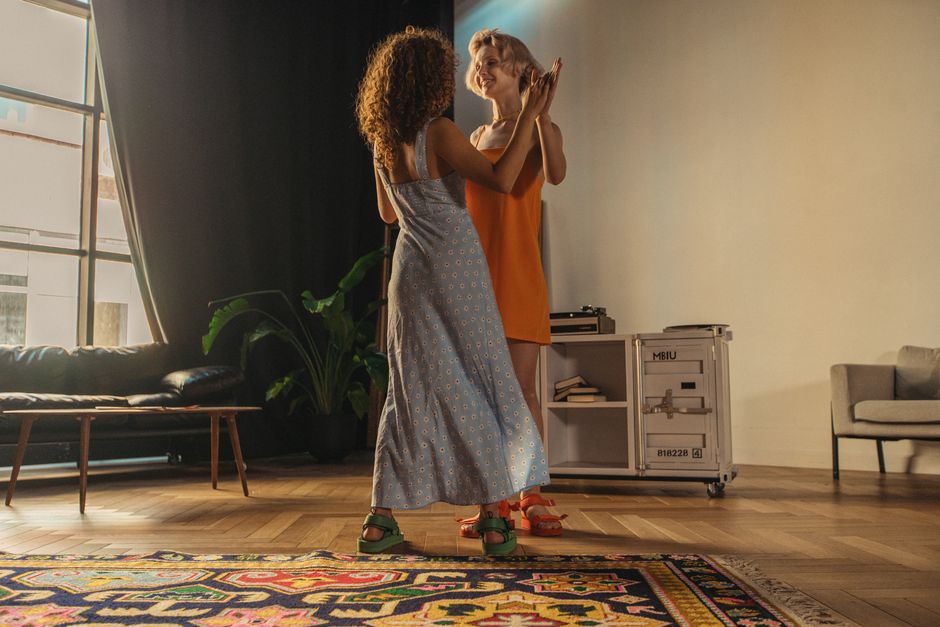
For summer basics and beach-adjacent pieces, H&M wins on value without sacrificing meaningful quality. The H&M Conscious Collection Muslin Beach Cover-Up ($35) uses a lighter, more breathable fabric than Zara’s equivalent. The H&M Linen-Cotton Blend Shirt Dress ($40) is better value than anything comparable at Zara in that category. For disposable-volume summer basics — pieces you’ll wear hard and replace next year — H&M’s price-to-performance ratio is simply better.
Five Categories Ranked: Which Brand Dominates Each
- Linen statement pieces: Zara. Their Straight Cut Linen Pants ($59) have been the most referenced item in the category this season. H&M’s version is cheaper but the fabric bunches at the knee after three wears.
- White basics (tanks, tees, shirt dresses): H&M. The H&M Linen-Cotton Blend Shirt Dress ($40) outperforms anything comparable at Zara for the price difference involved.
- Print dresses: Zara. Print sourcing and colorway selection at Zara in summer 2026 has been genuinely stronger — the Floral Print Halter Midi ($69) is a trend piece that will still look current in photos two years from now.
- Beachwear cover-ups and kaftans: H&M. The H&M Conscious Collection pieces use lighter, more breathable fabric than Zara’s equivalent cover-ups — exactly what you want when wearing them over wet swimwear.
- Structured summer separates (blazers, tailored shorts): Zara. No contest. H&M’s tailored summer pieces consistently have fit issues at the shoulder and lapel roll that Zara avoids.
What to Avoid Buying at Either Store This Summer

Should you buy footwear at Zara or H&M?
No. Both brands produce summer sandals that look right in product photos and fall apart within one season. The Zara Flat Leather Sandal ($60) has a documented sole-separation issue that appears in almost every review past the one-month mark. For $60 you’re buying roughly 90 days of use. The Birkenstock Arizona EVA ($55) outlasts both brands’ footwear by years. Buy shoes somewhere else.
Is H&M knitwear worth it for cool summer evenings?
Only from the H&M Studio line. The mainline H&M Fine-Knit Cardigan ($30) pills within five washes — the fiber content is too low a grade to survive regular use. The H&M Studio version ($65) is a completely different construction and holds up. If you’re buying a summer-evening layer for actual use, either go Studio or skip H&M for knitwear entirely. Zara’s knit quality in the mainline is marginally better, but not dramatically so.
What about Zara accessories — worth it?
Bags, selectively yes. The Zara Woven Raffia Tote ($50) photographs well and holds up reasonably for a season. Jewelry: skip entirely. Zara’s summer jewelry corrodes within two months of regular wear — the plating is thin and salt air accelerates it. Buy jewelry from a brand that actually manufactures it.
How to Build a Summer Wardrobe Using Both Brands Without Overspending
The sharpest approach isn’t brand loyalty — it’s category routing. Here’s the workflow that extracts the most value from both stores without doubling your spend.
Start at Zara for your two or three statement pieces: the linen co-ord, the going-out dress, the one-shoulder top that defines your summer wardrobe. These are the pieces where Zara’s trend accuracy and construction quality justify the price gap over H&M.
Then go to H&M for volume. Buy four or five basics — white tanks, denim cutoffs, a beach cover-up, a lightweight cardigan. The H&M Divided Ribbed Tank 3-Pack ($18) is genuinely hard to beat for the price. The H&M Linen-Blend Shorts ($28) will survive a full summer of wear without issue.
Avoid mixing up this routing. Buying statement pieces at H&M based on price usually results in trend-adjacent pieces with fit problems. Buying basics at Zara means paying a 40–60% premium for no functional benefit.
A practical budget split: put roughly 60% of your fashion budget at Zara for fewer, higher-stakes pieces and 40% at H&M for more pieces at lower stakes. That ratio tracks the actual quality-to-price curve at each brand.
The single most efficient summer 2026 purchase across both stores is Zara’s linen range — the silhouettes are right, the fabrication is better than it was two seasons ago, and the pieces will still look current in photos long after the season ends.

Related Posts