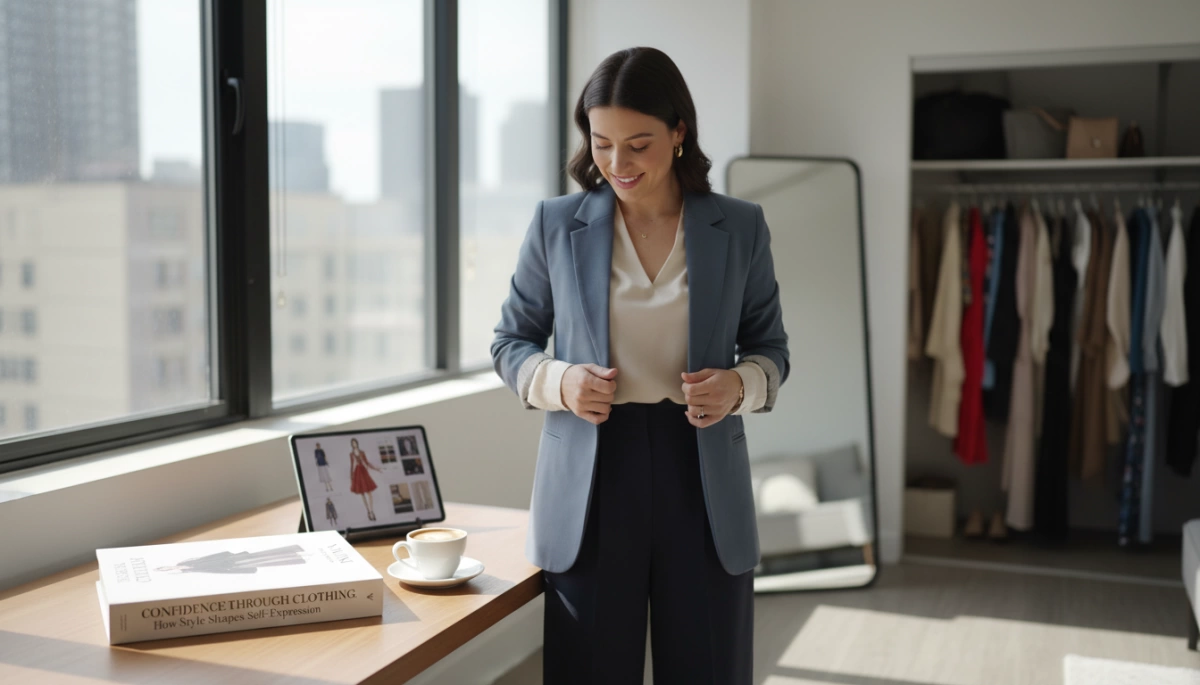
Ever noticed how slipping into the right outfit can suddenly boost your mood and sharpen your confidence? That’s no coincidence. Confidence through clothing isn’t just about looks—it’s a powerful form of self-expression rooted in psychology. When your style aligns with your authentic self, it transforms how you feel and how the world sees you. In this post, we’ll unpack how your wardrobe can become your secret weapon for building professional presence, overcoming anxiety, and telling your unique story without saying a word. Ready to dress not just for others, but for the confidence you deserve? Let’s get into it.
The Science of Style: Understanding Enclothed Cognition
Have you ever noticed how slipping into a certain outfit can instantly shift your mindset? That’s the power of enclothed cognition—a fascinating psychological concept showing how what we wear directly influences our thoughts, feelings, and even performance. When we put on clothes, we’re not just covering our bodies; we’re stepping into the symbolic meanings those items carry. A tailored blazer might boost your sense of authority, while soft, cozy fabrics can promote calmness.
Research reveals that wearing specific clothes can enhance cognitive abilities. For example, a study found that people wearing a lab coat felt more attentive and focused, simply because the coat symbolized carefulness and professionalism. This shows how our sartorial choices shape more than just outward appearance—they actively engage our brain’s wiring.
But here’s the catch: dressing for yourself creates a meaningful connection between clothing and self-image enhancement, boosting genuine confidence. On the flip side, dressing solely to impress others can backfire, leading to discomfort or a disconnect from your authentic style. Understanding enclothed cognition empowers you to use clothing as a tool for personal branding and non-verbal communication, cultivating confidence from the inside out.
Decoding the Visual Language of Identity
Style is more than just clothes—it’s a powerful way to tell your story and express who you are without saying a word. Our sartorial choices reflect our mood, values, and personality, acting as a form of non-verbal communication that shapes how others see us and how we see ourselves.
The key to authentic personal style is focusing on what genuinely resonates with you, rather than blindly chasing fashion trends. Following every trend risks falling into the “costume” trap—wearing clothes that don’t feel like you, causing discomfort and undermining confidence. Authenticity in clothing boosts self-image enhancement by aligning how you present yourself with your true identity.
As we grow and change, so too should our wardrobe. Style should evolve with personal growth, adapting to new roles, aspirations, and self-understanding. This ongoing evolution keeps your personal branding fresh and meaningful.
The Mechanics of Confidence: Fit, Fabric, and Color
When it comes to building confidence through clothing, the fit, fabric, and color of your outfit play a huge role in how you feel and present yourself. Color psychology in fashion shows that different colors evoke different emotions: red can boost assertiveness and energy, neutrals like beige or gray convey sophistication and calm professionalism, while blues and greens often promote a sense of calmness and balance. Choosing colors that align with your mood or the impression you want to make is a subtle but powerful way to enhance your self-image.
Fit is equally critical—wearing clothes that are too tight or too loose can cause discomfort and distract you, increasing anxiety. Apparel that fits well supports body positivity and allows you to move freely, which naturally boosts your professional presence and overall ease during the day.
Fabric texture also impacts mood. Soft, breathable materials like cotton or silk provide comfort and can improve your emotional state, while rough or restrictive fabrics may cause irritation or unease. Paying attention to these sartorial details helps reduce decision fatigue, making it easier to select outfits that reinforce your authentic personal style and confidence.
For practical tips on dressing to feel your best, explore guides on how to dress with confidence that focus on these elements in depth.
Contextual Confidence: Dressing for the Role You Want
Power dressing today goes beyond stiff suits and strict rules. It’s about choosing clothes that fit the role you want, not just the one you have. When you dress with purpose—whether for a big meeting or a casual video call—you set a confident tone for yourself and others. This approach to wardrobe psychology helps signal your professional presence without feeling boxed in.
In remote work, clothes can create important mental boundaries. Putting on something purposeful—even if you’re just at home—prepares your mindset and helps reduce decision fatigue. Wearing familiar “power pieces” can act as armor, boosting self-image enhancement by reminding you of your capability and focus.
Clothing also plays a huge role as non-verbal communication. It can break the ice in social settings or ease nerves when stepping into a new environment. Dressing to suit the context means you’re not just expressing personal style but also adapting strategically to everyday situations. For ideas on dressing smartly for different environments, check out practical tips on how to dress for work in hot weather or maintain professional presence in various settings.
Actionable Steps: Curating a Confidence Wardrobe
Building a wardrobe that genuinely boosts confidence starts with a thorough closet audit. Remove clothes that no longer fit your style, bring up negative memories, or make you feel uncomfortable. This clears space mentally and physically, helping you focus on pieces that truly represent your authentic personal style.
Next, identify your “power pieces.” These are garments that immediately boost your self-image—whether it’s a well-fitted blazer, a favorite shade of blue that calms you, or a statement accessory that feels like armor. Knowing why these items work helps you lean on them during important moments, enhancing your professional presence and mood.
To cut down on daily decision fatigue, try creating uniform outfit formulas. For example, pairing certain tops with your go-to trousers or skirts streamlines your mornings while maintaining a polished look. This approach supports consistency in your sartorial choices and reinforces personal branding without the overwhelm.
Finally, practice mindful shopping by focusing on clothes that affirm your identity instead of following fleeting trends. Prioritize quality, fabric feel, and fit aligned with your lifestyle to build a capsule wardrobe that sustains confidence daily. For insights on refreshing your closet with lasting pieces, check out tips on how to get your wardrobe ready for any season, ensuring every item leaves you feeling your best.