Picture this: You’re standing in front of a packed closet, staring at countless garments, yet the familiar thought hits you – “I have nothing to wear.” Or maybe you’re scrolling endlessly through online stores, feeling overwhelmed by choices, unsure where to find the best deals or items that truly fit your existing wardrobe. This common scenario is a major source of wardrobe frustration. Good news: digital tools can solve this. The right fashion app transforms how you manage your clothes, discover new styles, and shop efficiently. Think of these apps as your personal stylist, inventory manager, and deal finder, all in one.
Your First Step to Digital Wardrobe Management: Inventory Your Closet
You can’t effectively style or shop for what you don’t know you own. The most practical way to streamline your fashion life starts with a complete digital inventory of your wardrobe. This isn’t just about listing items; it’s about understanding your current assets, identifying gaps, and making smarter future purchases. For anyone serious about making their wardrobe work harder, this initial setup is non-negotiable.
Choosing the Right Inventory App
Several apps excel at digital wardrobe management, each with unique strengths. My top recommendation for a comprehensive, one-time purchase solution is Stylebook. It costs $3.99 on iOS and offers robust features for cataloging, outfit planning, and even tracking cost-per-wear. For a free entry point with a subscription option, Cladwell (free with premium features at $7.99/month) is a strong contender for both iOS and Android, focusing heavily on outfit suggestions and capsule wardrobe building. Both allow you to import photos of your clothes, categorize them, and create outfits. Stylebook, however, offers more granular data tracking, which is invaluable for long-term wardrobe analysis.
Photographing and Tagging Your Items Effectively
The success of your digital wardrobe hinges on the quality of your input. Here’s a quick guide:
- Good Lighting is Key: Use natural daylight whenever possible. Avoid harsh shadows.
- Consistent Background: A plain white wall or a clean, uncluttered floor works best for clear images.
- Flat Lays or Hangers: For items like sweaters or jeans, flat lays provide a clear view. For dresses, jackets, or shirts, hang them against your consistent background.
- Crop and Edit: Most apps have basic editing tools. Crop out distracting backgrounds and adjust brightness for a clean, professional look.
- Detailed Tagging: Don’t just tag “shirt.” Add details like “color: blue,” “material: cotton,” “season: summer,” “occasion: casual,” “brand: Zara,” “size: M.” The more specific your tags, the easier it will be to find and style items later.
Taking the time to build this digital catalog means you’ll always have your entire wardrobe at your fingertips, making outfit planning and smart shopping decisions incredibly easy.
Decoding Your Style: Outfit Planning and Inspiration Tools
Once your digital closet is organized, the next step is to actually use it for outfit planning and daily inspiration. This avoids the “nothing to wear” dilemma, even when your physical closet is full. These apps transform your inventory into an active style resource.
Building Daily Looks
Using your chosen wardrobe app, you can build and save outfits for different occasions. Here’s a simple workflow:
- Start with a Hero Piece: Pick one item you want to wear – maybe a new skirt or a favorite jacket.
- Layer Intelligently: Add foundational pieces like a basic tee or a camisole, then build outwards with sweaters or blazers.
- Accessorize Thoughtfully: Integrate shoes, bags, and jewelry from your digital inventory to complete the look.
- Plan Ahead: Many apps let you schedule outfits on a calendar, perfect for packing for trips or preparing for a busy week.
AI for Outfit Suggestions
For those who need a creative push, several apps now use artificial intelligence to suggest outfits based on your inventory, weather, and even your personal style preferences. Pureple (free on iOS/Android) and Smart Closet (free on iOS/Android) are excellent for this. After you’ve uploaded your items and tagged them, these apps can generate outfit ideas, helping you discover new combinations you might not have considered. It’s like having a digital stylist that learns your preferences over time, making getting dressed in the morning much smoother.
Finding Deals and Discovering New Brands
The online retail landscape is vast, making it hard to track down specific items at the best price or discover emerging brands. This is where deal-finding and aggregation apps become invaluable. Many retailers work with platforms like Awin to track sales, meaning these apps often lead you directly to potential savings.
Retail Aggregators vs. Curated Marketplaces
Understanding the difference between these app types helps you shop more effectively:
- Retail Aggregators: These apps pull products from hundreds, sometimes thousands, of different online stores into one searchable database. They’re excellent for price comparison and broad discovery.
- Curated Marketplaces: These platforms focus on specific niches, often luxury, independent designers, or vintage items, offering a more curated shopping experience.
Here’s a comparison of some top choices:
| Feature | Lyst (free) | ShopStyle (free) | Farfetch (free) |
|---|---|---|---|
| Focus | Luxury/contemporary fashion, global retailers | Broad retail, sales, discount codes | High-end luxury boutiques, designer fashion |
| Price comparison | Yes, tracks prices across many stores | Yes, identifies sales and applies coupons | Limited, primarily displays boutique prices |
| New discovery | Excellent for trendspotting and emerging brands | Good for finding general fashion items and deals | Top-tier for discovering unique luxury pieces |
| User interface | Clean, image-heavy, highly visual | Standard shopping experience, strong search filters | Sophisticated, editorial content, high-quality images |
| Best for | Trendspotting, receiving price drop alerts on specific items | General shopping, finding the best sales and discounts | High-end unique finds from global luxury boutiques |
For those looking to optimize their spending on retail purchases, both Lyst and ShopStyle are essential tools. They help you navigate the fragmented online retail world, often pointing you to the best deals from stores that might be part of large affiliate networks. This means you can save money while still supporting your favorite brands.
The Truth About Fast Fashion Apps

Fast fashion apps offer trendy, low-cost options that can seem appealing for quick style updates. However, it’s important to approach these platforms with caution. They often come with significant ethical and environmental concerns regarding labor practices and waste. While they provide accessibility to current trends, their business model encourages overconsumption and can lead to a wardrobe full of quickly disposable items. Use sparingly and thoughtfully, prioritizing quality and sustainability when possible.
Selling Your Pre-Loved Items for Extra Cash
Don’t let perfectly good clothes, shoes, or accessories gather dust in your closet. Selling your pre-loved items is one of the smartest things you can do for your wardrobe and your wallet. It’s an easy way to declutter, contribute to sustainable fashion, and free up some cash for new, more intentional purchases. This isn’t just about selling; it’s about extending the life cycle of clothing and making your style more circular.
Choosing the Right Resale Platform
The best app for selling depends on what you’re selling and how much effort you want to put in. Here are the top contenders:
- Vinted (free selling fees): Excellent for everyday clothing, shoes, and accessories. There are no selling fees for sellers, which makes it very attractive. Buyers pay a service fee. It’s simple to use and has a large, active community across Europe and the US.
- Depop (10% commission): Popular with a younger demographic, specializing in vintage, streetwear, and unique pieces. It functions more like a social media platform, allowing for creative listings and direct interaction with buyers. They take a 10% commission on sales.
- Poshmark (20% commission): Great for a wide range of fashion, from everyday brands to contemporary designers. It has a strong community aspect with “Posh Parties” for specific categories. Poshmark takes a 20% commission for sales over $15 and a flat $2.95 for sales under $15.
Maximizing Your Sales: Photography and Pricing
To get your items sold quickly and for a good price:
- Clean, Well-Lit Photos: This is non-negotiable. Use natural light. Show the item on a hanger, a mannequin, or a flat lay. Include photos of any labels, material tags, and especially any flaws.
- Detailed Descriptions: Be honest and thorough. Include brand, size (and specific measurements if possible), material, condition, and any unique features.
- Competitive Pricing: Research similar items on the platform. Price fairly based on condition, brand, and original retail price. Be open to offers but know your lowest acceptable price.
- Prompt Communication: Respond quickly to buyer questions and ship items promptly once sold. Good communication builds trust.
Embracing resale apps not only earns you money but also contributes to a more sustainable fashion ecosystem, giving your clothes a second life and reducing textile waste.
Q&A: Common Fashion App Challenges Solved
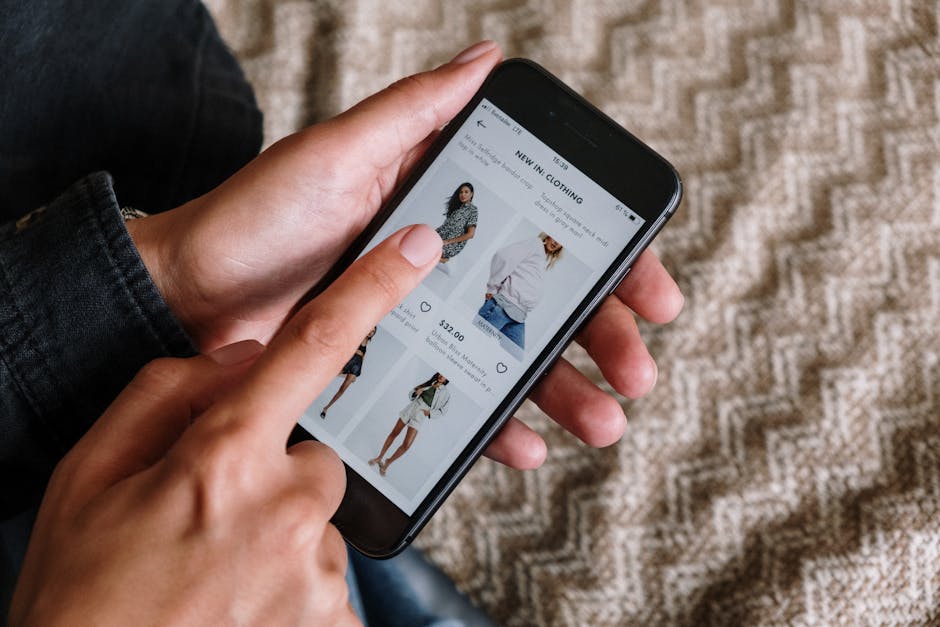
How do I handle sizing inconsistencies across brands?
Sizing is notoriously inconsistent in fashion. To combat this, always check the app’s reviews for comments on fit and specific brand sizing charts (most retail apps link directly to these). When buying, prioritize items with detailed measurements provided by the seller or brand. For your own inventory, consider adding your personal measurements to your profile within apps like Stylebook to compare against brand guides, making more informed purchase decisions.
Are personal styling services worth the subscription?
For specific needs, yes. Services like Stitch Fix (which charges a $20 styling fee, applied to any purchase) can be incredibly valuable. If you’re building a capsule wardrobe, need professional attire, or simply feel overwhelmed by choices, a curated box of clothes selected by a human stylist can be a huge time-saver. These services often introduce you to new brands and styles you wouldn’t typically pick. However, if you enjoy the process of discovery and styling yourself, free apps are often sufficient.
Can I really replace a physical stylist with an app?
Apps are powerful tools for organization, inspiration, and deal-finding, offering a level of control and insight that was previously unavailable. They significantly empower you to manage your style and wardrobe. However, a human stylist offers personalized, nuanced advice, understands your body shape, and can provide subjective feedback that apps, even with AI, can’t fully replicate yet. Apps are fantastic augmentations to your style journey, but they complement, rather than completely replace, the value of a professional human touch for truly bespoke styling.
Curating Your Digital Wardrobe Beyond Shopping
Managing your fashion digitally goes far beyond just acquiring new pieces or finding deals. It’s about maintaining a conscious relationship with your clothing, understanding its lifecycle, and making choices that reflect both your personal style and broader values like sustainability. The data you gather in your apps can be a powerful tool for this deeper level of curation.
Tracking Your Cost Per Wear
Many advanced wardrobe apps allow you to log how often you wear an item. By combining this with the item’s purchase price, you can calculate its “cost per wear.” This metric is incredibly insightful. A $50 dress worn once has a cost per wear of $50, while a $200 coat worn 200 times has a cost per wear of just $1. This helps you identify your most valuable, hardworking pieces and encourages you to invest in quality items you’ll wear repeatedly, rather than chasing fleeting trends. It shifts the focus from price tag to value.
Building a Sustainable Fashion Mindset
Your digital wardrobe can be a cornerstone of a more sustainable approach to fashion. By clearly seeing what you own and how often you wear it, you become more mindful. This visibility helps prevent impulse buys of items you already have or won’t wear. It encourages a “buy less, choose well” philosophy. Use your app to plan outfits with existing items, track repairs, and identify pieces ready for donation or resale. This cyclical approach reduces waste, extends garment life, and minimizes your fashion footprint, transforming your wardrobe into a truly curated, responsible collection.
The future of fashion is increasingly digital, offering unprecedented control over our personal style and shopping habits. By the best fashion apps available, you’re not just organizing clothes; you’re building a smarter, more sustainable, and more expressive personal style.

Related Posts