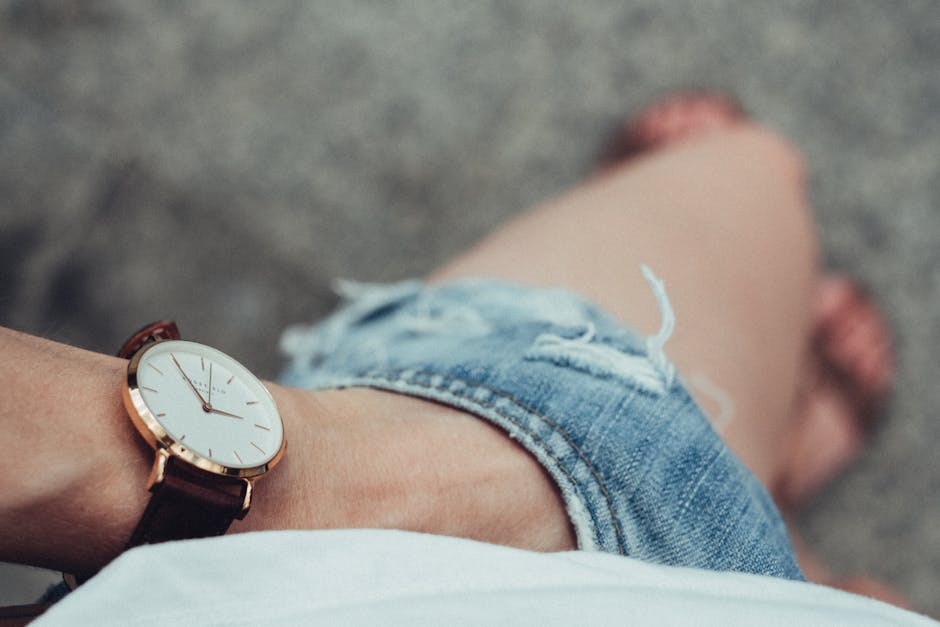
You walk into a store. A belt is $15. A scarf is $10. A small crossbody bag is $25. You grab all three. Feels like a win.
Six months later, that belt is peeling. The scarf has a pulled thread. The bag strap is fraying. You toss them. You buy replacements. You repeat the cycle.
I tracked my own accessory spending over two years. The number was embarrassing: $340 on items that lasted less than a season each. Not shoes. Not coats. Just belts, bags, and scarves. Things that should be one-time purchases.
This article breaks down the three specific mistakes costing you real money in the accessories category. And I’ll name the brands and price points where the math actually works.
Mistake #1: Buying Belts Based on Looks, Not Leather Thickness
A belt is a structural item. It holds your pants up, cinches your waist, and takes daily stress. Most people buy belts like they buy earrings — based on color and buckle shape.
Here is the problem. A belt with thin leather (under 2.5mm) will crack at the fold points within 40 wears. A belt with bonded leather (ground-up leather scraps glued to a backing) will peel within 20 wears. You are not buying a belt. You are renting a belt for three months.
The real cost per wear tells the story.
| Belt Type | Typical Price | Average Lifespan (wears) | Cost Per Wear |
|---|---|---|---|
| Fast-fashion bonded leather (e.g., H&M, Zara) | $15–$25 | 20–40 | $0.38–$1.25 |
| Mid-range full-grain (e.g., Timberland, Nautica) | $35–$55 | 200–400 | $0.09–$0.28 |
| Premium full-grain (e.g., Tanner Goods, Orion Leather) | $70–$120 | 500+ | $0.14–$0.24 |
That $20 H&M belt costs you more per wear than a $70 Tanner Goods belt. The math is not close.
What to buy instead: Look for full-grain leather belts with a minimum thickness of 3mm. The Tanner Goods Natural Belt ($72, 3.5mm thick) is the benchmark. It starts stiff and takes two weeks to break in. After that, it lasts years. The Orion Leather Belt ($65, 3.2mm thick) is a close second. Both have replaceable buckles, meaning you keep the leather and swap the hardware.
Bottom line: If you wear a belt twice a week, a $70 full-grain belt costs you about $0.27 per wear over five years. A $20 fast-fashion belt costs you $0.50 per wear over one year. You are paying more to get less.
Mistake #2: Treating Scarves as Disposable — The Fabric Trap
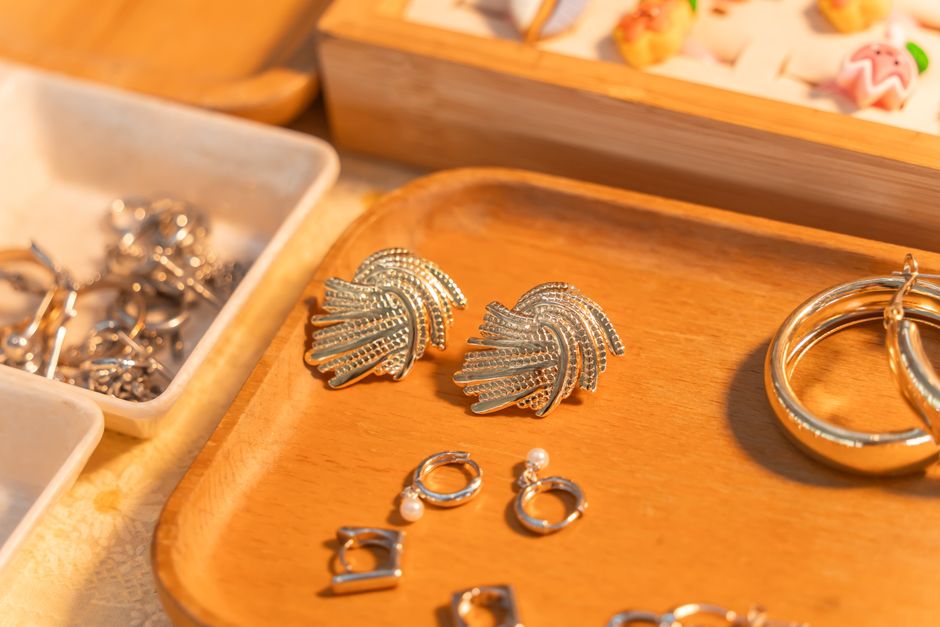
Scarves sit against your neck, the thinnest skin on your body. They catch sweat, perfume, and environmental grime. They get washed. That combination destroys cheap fabric fast.
I bought a $12 acrylic scarf from a street vendor in 2026. It looked fine in the store. After three machine washes on gentle cycle, it pilled so badly it looked like a used dishrag. Cost per wear: $1.09 for the 11 times I wore it.
The fabric failure hierarchy looks like this:
Acrylic and polyester scarves under $20: These are plastic fibers. They pill within 10–15 wears. They do not breathe. They trap odor. They are not fixable. Donating them just passes the problem to someone else.
Viscose and rayon scarves ($15–$35): These feel soft initially. But viscose loses structural integrity when wet. After one wash, the drape changes. The edges curl. The scarf never looks the same.
Merino wool and cashmere scarves ($40–$100): These are the only scarves worth buying. Merino wool (like the Icebreaker Vertex Scarf, $65) resists odor, pills minimally, and lasts 200+ wears if hand-washed. Cashmere (like the Naadam Essential Cashmere Scarf, $95) is softer but requires more care. Both hold their shape.
What to buy instead: A single merino wool scarf at $65 will outlast five $15 acrylic scarves. That is $65 versus $75 spent, and you get dramatically better quality for five times as long. The Icebreaker Vertex is my pick because it is machine-washable on a delicate cycle — most wool scarves are not.
Bottom line: Do not buy any scarf made from 100% acrylic or polyester. The cost per wear is always higher than a wool or cashmere scarf that costs twice as much upfront.
Mistake #3: Overpaying for Trendy Bags With No Resale Value
Here is where most people lose real money. Not on belts or scarves — on bags.
A trendy bag from a fast-fashion brand costs $30–$60. It is made from polyurethane (PU) leather, which is plastic-coated fabric. PU leather cracks, peels, and flakes within 6–18 months. There is no repair. There is no resale. The bag goes in the trash.
I bought a Zara PU crossbody for $39 in 2026. It looked sharp for exactly four months. By month seven, the corner stitching had popped. By month ten, the strap was tearing at the attachment point. I threw it away. Cost per wear: $0.65.
Compare that to real leather bags in the same size range:
The Madewell Transport Crossbody ($128, full-grain leather) has been in production since 2015. Resale value on the secondhand market (Poshmark, The RealReal) is typically 40–60% of retail after two years of use. That means your net cost after resale is roughly $50–$75 for a bag that lasts 5+ years.
The Evergreen Leather Goods Mini Crossbody ($110, vegetable-tanned leather) is even better. It develops a patina over time. The leather thickens, it does not thin. Resale is around 50% after three years. Net cost: about $55.
Even higher-end options like the Coach Willow Shoulder Bag ($295, glove-tanned leather) hold 50–70% of their value after two years. Net cost after resale: $88–$147. For a bag that lasts a decade or more.
What to buy instead: If you need a crossbody bag, buy one from a brand that uses full-grain or top-grain leather with a known resale market. Madewell, Coach, and Evergreen Leather Goods all fit. Avoid PU leather entirely unless you are buying for a specific event and plan to discard it afterward.
Bottom line: A $40 PU bag that lasts one year costs you $40 with zero recovery. A $128 leather bag that lasts five years and resells for $60 costs you a net $13.60 per year. The expensive bag is cheaper.
How to Calculate Your Own Cost Per Wear — The Only Metric That Matters
Retail price is a lie. Cost per wear is the truth.
Here is the formula: (Purchase Price + Repair Costs) ÷ Number of Wears = Cost Per Wear.
I use a simple Google Sheet to track every accessory I buy. Column A: item. Column B: price. Column C: date bought. Column D: estimated wears per year. Column E: expected lifespan in years. Column F: cost per wear. It takes 30 seconds per item.
Here are the thresholds I use:
- Good buy: Under $0.20 per wear
- Acceptable: $0.20–$0.50 per wear
- Bad buy: Over $0.50 per wear
- Disaster: Over $1.00 per wear
Most fast-fashion accessories land in the disaster zone. Most mid-range leather and wool items land in the good or acceptable zone.
I have a $75 wool scarf from Icebreaker that I have worn 180 times. Cost per wear: $0.42. I have a $15 acrylic scarf I wore 11 times. Cost per wear: $1.36. The cheap scarf cost me three times more per use.
This is not about being rich. It is about doing math. The data does not lie.
One rule: If you cannot honestly estimate that you will wear an accessory at least 50 times, do not buy it. That filters out 80% of impulse purchases.
When It Actually Makes Sense to Buy Cheap Accessories
I am not saying never buy cheap. There are three specific situations where a low-cost accessory is the right call.
Situation 1: One-time event use. You need a specific color belt for a wedding outfit you will never wear again. Buy the $15 bonded leather belt. It only needs to last one night. Cost per wear will be high, but the alternative is spending $70 on a belt you will not use again. The $15 belt wins here.
Situation 2: Testing a style. You are not sure if you will actually wear a belt bag. Buy a cheap PU version for $25. Wear it for a month. If you use it daily, upgrade to a leather version. If it sits in your closet, you lost $25 instead of $150. That is a smart test.
Situation 3: Travel to high-risk areas. I took a $20 canvas belt to a music festival. It got muddy, stepped on, and lost. I did not care. My $70 Tanner Goods belt stayed home. Context matters.
In every other situation, buy the quality version. The math supports it. The longevity supports it. Your wallet supports it over time.
Bottom line: Cheap accessories are for disposable use cases only. For daily wear, the premium option is the financially responsible choice.
The Three Accessories You Should Upgrade Right Now
If you only change three things in your wardrobe this year, change these. They will save you the most money over the next five years.
1. Your daily belt. If you wear a belt to work or school five days a week, upgrade to a full-grain leather belt from Tanner Goods ($72) or Orion ($65). It will pay for itself within 18 months compared to replacing a $20 belt every 6 months.
2. Your go-to scarf. If you live somewhere with cold winters and wear a scarf at least 3 days a week for 4 months, buy a merino wool scarf from Icebreaker ($65). Cost per wear after one season: $0.34. After two seasons: $0.17. It keeps getting cheaper.
3. Your everyday crossbody bag. If you carry a bag daily, replace your PU leather bag with a full-grain leather option from Madewell ($128) or Evergreen Leather Goods ($110). The resale value alone makes this the single best financial move in accessories.
These three upgrades will cost you roughly $275 total upfront. They will save you approximately $200 per year in replacement costs. That is a 73% annual return on your investment. No stock market index fund delivers that.
This is not financial advice. It is just arithmetic.

Related Posts