
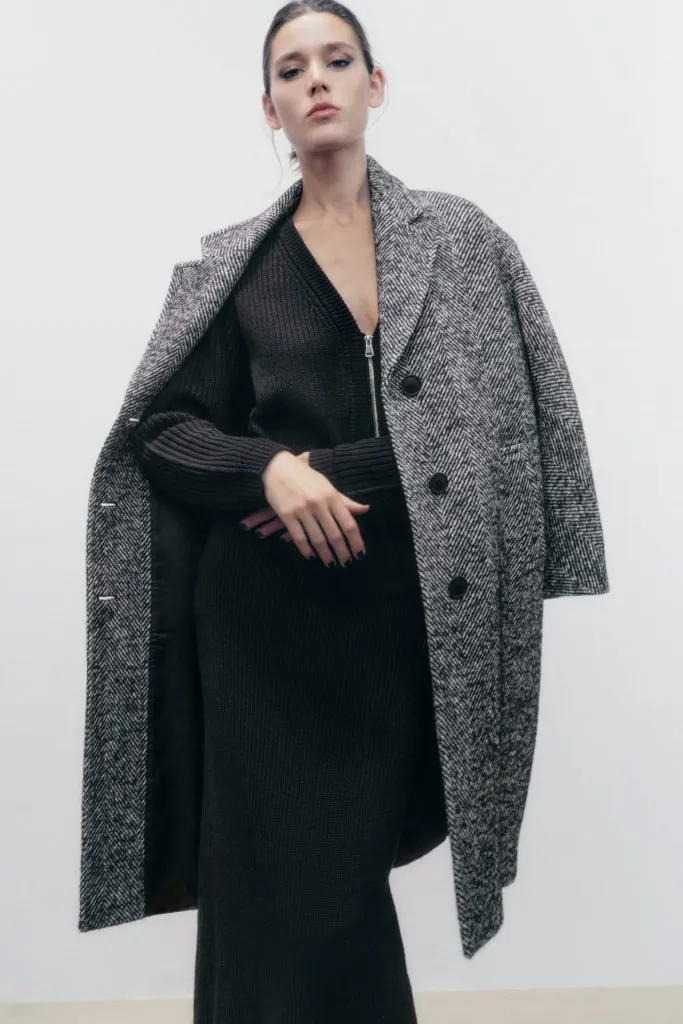
I remember standing on a windy street corner, freezing my backside off in what I thought was a fantastic wool coat. It looked great, felt thick, but the wind just cut right through it. Sound familiar? That’s because a lot of what gets sold as a “smart wool coat” or just a “good wool coat” is actually pretty useless once the temperature dips below zero and the wind picks up. I’ve gone through a dozen coats over the years, wasting hundreds, maybe thousands, on pieces that just didn’t perform. I’ve learned a lot, mostly the hard way, about what truly makes a wool coat smart and worth your money. My goal here? To save you that grief.
The Core Misconception: Why “Smart Wool” Isn’t Just Wool
Let me be blunt: if you think a thick, pure wool coat, even expensive cashmere, will keep you warm and dry in a real winter storm, you’re in for a rude awakening. I used to believe this, too. I’d shell out for a gorgeous Loro Piana wool coat, feeling smug about the quality. Then the first blustery day hit, and I was shivering, the beautiful fabric doing nothing to block the gale. The truth is, traditional wool, while warm and breathable, is a sieve for wind and can soak up moisture like a sponge if it’s not treated right. It’s not *smart* by itself.
What makes a wool coat truly smart is what’s happening underneath that visible wool exterior. It’s all about **technical fabrics** and thoughtful design. We’re talking about laminated membranes, durable water repellent (DWR) finishes, and often, a strategic blend of wool with other fibers. If a brand just advertises “premium wool” and nothing else, it’s probably a fashion piece, not a functional one. They look good for a stroll from the car to the office, but not for waiting for a bus or navigating a proper winter day.
What “Smart” Really Means
For me, “smart” in a wool coat means it addresses wool’s inherent weaknesses: wind permeability and water absorption. It means the coat has integrated technology to make it perform better than just plain wool. Think about performance sportswear – they don’t just use one material. They layer and blend. A smart wool coat does the same, but discreetly. It’s not just insulation; it’s a full system.
The Membrane is Key
This is where most traditional wool coats fail. They lack a windproof and often waterproof membrane. Without it, even the densest wool will let cold air straight through. I’ve seen some excellent brands use Gore-Tex or similar proprietary membranes, laminated directly to the wool or layered just beneath it. This invisible layer is the real MVP. It stops the wind dead, and often offers significant water resistance, preventing that heavy, wet wool feeling after a light snow or drizzle. Look for descriptions like “windproof membrane,” “water-resistant finish,” or even specific membrane names in the product details.
Why Cheap Blends Fail
Many coats advertise “wool blend” at lower price points. Be careful here. Often, these blends are just a way to cut costs, incorporating low-quality synthetics that don’t add performance. A good blend enhances the wool – adding stretch, durability, or even insulation. A bad blend just dilutes the wool’s natural warmth without providing any of the “smart” benefits. If the blend ratio leans heavily towards polyester or acrylic without any mention of a membrane or DWR, you’re likely getting a fashion coat, not a functional one.
My Go-To Brands and Why They Work
After years of trial and error, I’ve narrowed down a few brands that consistently deliver on the “smart wool coat” promise. These aren’t cheap, but they’re investments that actually perform and last. Don’t buy the $300 wool coat that looks good on sale; save up for one of these instead.
- Nobis Carter Wool Parka: This is a powerhouse. I picked one up for about $1,100 (Canadian dollars) a few years back. It’s not 100% wool on the outside, but it features a premium wool blend shell with their proprietary DWR coating and seam-sealed construction. The membrane underneath makes it absolutely windproof and highly water-resistant. It’s insulated with down, which is common in Nobis, but the wool exterior gives it that classic, tailored look. The weight is substantial, but it feels incredibly protective. It’s the coat I grab when I know I’ll be outdoors for extended periods in brutal cold.
- Mackage Edward Wool Parka: My wife swears by her Mackage, specifically a style similar to the Edward, which we found for around $1,250. Mackage uses a blend of wool and technical fibers, often treated for water resistance, and critically, they integrate a breathable, windproof membrane. Their styling is usually a bit more fashion-forward than Nobis, but they don’t skimp on performance. It’s sleek but still very warm, good down to -20°C (-4°F) with proper layering. The leather trim and hardware really elevate the look, too.
- Fjallraven Skogso Padded Jacket (Wool Version): This is a slightly different animal, more of a rugged outdoor style, but some of their urban-focused pieces incorporate wool in a smart way. For example, some of their Lulea or Kiruna jackets use recycled wool blends with their G-1000 fabric, which you can wax for added water resistance. While not a pure ‘wool coat’ in the classic sense, their use of wool as an insulating layer within a tough, weather-resistant shell (often around $500-700) is a genuinely smart application. It’s less about the outer wool fabric and more about the wool *insulation* for warmth, combined with a highly functional exterior. For lighter, but still cold, days, I’ve found their wool-padded pieces to be excellent.
- Canada Goose Osborne Parka (Wool Elements): While Canada Goose is known for its down parkas, they’ve introduced some styles like the Osborne that feature wool shell elements. These aren’t all-wool, but they integrate wool strategically for a refined aesthetic while still employing their Arctic Tech fabric in key areas and maintaining their thermal ratings. Expect to pay upwards of $1,500 for these. The wool is usually a blend, but it’s backed by serious weather protection. I haven’t personally owned one with a wool shell, but friends who have say they offer the best of both worlds: high-end look with extreme warmth.
Wool Blends: A Comparison
It’s not just about what’s underneath; the visible wool blend matters for comfort, durability, and how it interacts with the elements. Here’s a quick rundown of common blends you’ll see in these more technical wool coats, and what they’re good for. Remember, the ‘smart’ part usually comes from the membrane or treatment, not just the blend itself, but the blend influences the feel and drape.
| Blend Type | Key Properties | Best Use Case | Typical Price Range |
|---|---|---|---|
| Merino Wool / Nylon / Elastane | Soft, breathable, durable, some stretch, good moisture-wicking. Often used as an inner lining or mid-layer. | Active wear, milder days, layering piece. | $300 – $700 (for an outer shell) |
| Wool / Polyester / Viscose (treated) | Good drape, relatively durable, can be water-resistant with DWR. Less breathable than pure wool. | Everyday urban wear, fashion-forward technical coats. | $700 – $1,200 |
| Wool / Cashmere (with membrane) | Luxurious feel, very soft, good drape. The membrane provides the actual weather protection. | High-end fashion and city wear where warmth and luxury are key. | $1,500 – $3,000+ |
| Wool / Technical Fabric (e.g., GORE-TEX, proprietary) | Ultimate weather protection, windproof, waterproof, breathable. The wool is usually a facade or insulation. | Extreme cold, wet climates, serious winter protection. | $1,000 – $2,000+ |
Understanding the Fill
Beyond the outer shell, what’s inside matters immensely. Many smart wool coats, especially the high-performance ones, aren’t relying solely on the wool shell for warmth. They integrate down fill (like Nobis and Canada Goose) or synthetic insulation. This is crucial for sub-zero temperatures. The wool exterior provides the aesthetic and some natural warmth, but the fill does the heavy lifting in terms of insulation. Don’t assume a thick wool shell means maximum warmth without checking the fill power or insulation type.
Outer Shell Considerations
Even if it has a great membrane, the outer wool shell needs to be durable. A loosely woven, delicate wool might look great but it will pill and show wear quickly. Brands like Mackage and Nobis often use very dense, tight weaves, sometimes with a subtle texture or finish that makes them more robust against daily abrasion. Look for a smooth, firm hand feel, not something that feels flimsy or easily snagged. A good outer wool isn’t just for looks; it protects the vital membrane underneath.
The One Feature You Can’t Skip
I’ve said it before, but it bears repeating because it’s the absolute make-or-break feature for any truly smart wool coat: **a windproof membrane is non-negotiable.** If a coat doesn’t explicitly state it has one, or at least a highly wind-resistant construction, you’re buying a fashion coat, not a functional winter warrior. Period.
Caring for Your Investment: Longevity Tips
You’ve dropped serious money on a quality smart wool coat. You need to take care of it. These aren’t your typical machine-washable items. Proper care ensures they last through many winters, maintaining their performance and appearance. I’ve learned from experience that neglecting these steps shortens a coat’s lifespan significantly.
Spot Cleaning vs. Full Wash
Most smart wool coats are dry-clean only. This isn’t just a suggestion; it’s a rule. The membranes, DWR finishes, and internal insulation can be damaged by water and agitation in a washing machine. For small spills or dirt, a damp cloth with a tiny bit of mild wool detergent (like Woolite or Eucalan) applied *very gently* to the spot is usually fine. Blot, don’t rub. If the entire coat needs refreshing, take it to a reputable dry cleaner that specializes in delicate fabrics and outerwear. Make sure they understand there’s a membrane involved, as some harsh chemicals can degrade it.
Proper Storage
When winter’s over, don’t just shove your coat into the back of the closet. First, make sure it’s clean. Any lingering dirt, sweat, or food particles can attract moths or other pests during storage. Hang it on a sturdy, broad-shouldered hanger to maintain its shape – wire hangers are a no-go, they’ll deform the shoulders. Store it in a breathable garment bag (cotton or non-woven fabric, not plastic) to protect it from dust and insects. Add some cedar blocks or lavender sachets as a natural deterrent. Store it in a cool, dry, dark place, away from direct sunlight or humidity.
Dealing with Pilling and Moths
Pilling happens, especially in areas of high friction like under the arms or where a bag rubs. Don’t pick at pills – you’ll pull out fibers and damage the fabric. Invest in a good fabric shaver or a de-pilling comb. Gently run it over the affected areas to remove the pills cleanly. For moths, prevention is key (see storage tips). If you discover moths or larvae, immediately clean the coat (professional dry cleaning is best) and thoroughly clean out your closet. Consider airtight storage containers for any other wool items. A moth infestation can quickly ruin an entire wardrobe.
Smart Wool Coat FAQs
After years of buying, wearing, and occasionally regretting, I get asked a lot about these coats. Here are some of the most common questions I hear:
Is 100% wool always better?
No, not for a truly smart, functional winter coat. While 100% high-quality wool (like merino or cashmere) feels luxurious and has natural warmth, it typically lacks wind and water resistance unless it’s heavily treated or felted. For a coat that performs in harsh weather, a blend with synthetics, especially when backed by a membrane, is almost always superior. The blend adds durability and structural integrity that pure wool often can’t provide on its own, especially for outerwear.
What about breathability?
This is where good technical membranes shine. Cheaper membranes or plastic coatings can make a coat feel like a sweat chamber. High-quality membranes (like Gore-Tex or similar proprietary technologies from brands like Nobis or Mackage) are designed to be microporous. This means water vapor (your sweat) can escape, but larger water droplets (rain, snow) and wind cannot enter. So yes, a truly smart wool coat can be very breathable, but you need to pay for that technology. Always check for specifications like MVP (Moisture Vapor Permeability) or RET (Resistance to Evaporative Heat Transfer) if available, though these aren’t always listed for fashion-forward pieces.
How do I know if it’s truly waterproof?
Most “smart wool” coats aim for water resistance rather than full waterproofing. Full waterproofing usually requires taped seams, which can be hard to integrate subtly into a wool shell. However, a good DWR (Durable Water Repellent) finish on the wool combined with a proper membrane underneath will make it highly water-resistant. Water should bead up and roll off the fabric. If it soaks in immediately, it’s not well-treated. Look for terms like “seam-sealed,” “hydrophobic finish,” or specific waterproof ratings (e.g., 10,000mm) in the product description. If it just says “water-resistant” without further detail, expect it to handle light snow or drizzle, but not a downpour. If you need true waterproofing, you might be looking at more overtly technical shells with wool as an insulating layer rather than the primary exterior material.

Related Posts


