The Foundations: Why Shoes Influence Psychology
Have you ever noticed how slipping into a favorite pair of shoes can shift your mood or boost confidence? This isn’t just a feeling—there’s real science behind how shoes affect confidence through psychological and physiological pathways.
One key concept is enclothed cognition. This term explains how the symbolic meaning of clothing, including footwear, influences thoughts and behavior. For example, putting on polished dress shoes can subconsciously trigger feelings of professionalism and alertness, while casual sneakers might inspire relaxation and creativity. Shoes carry messages—not just to others but deeply to the wearer’s own mind—shaping self-perception and social confidence.
Closely linked is embodied cognition, where physical states like posture, movement, and sensory feedback from the feet directly influence mental states. The way shoes mold foot position and support sensory input from the soles affects not just comfort but also mood and focus. When feet feel stable and grounded, the brain receives positive signals, which can enhance feelings of confidence and reduce stress.
This is where foot proprioception—the body’s awareness of foot position and balance—plays a crucial role. Well-fitted, supportive shoes improve proprioceptive feedback, helping wearers feel physically grounded and secure. This sensory stability cascades upwards, fostering a stronger mental state and a quiet confidence that’s hard to fake.
In short, footwear and self-esteem are intertwined through these psychological and bodily processes—making shoe choices more powerful than they might seem at first glance.
Posture and Power: How Shoe Design Physically Shapes Confidence
Shoe design plays a big role in shaping how confident we feel by physically affecting our posture. High heels, for example, naturally push your chest forward and arch your back, creating what’s called a “power pose.” This stance is linked to feelings of dominance and can even reduce stress hormones, boosting your confidence from the inside out.
On the other hand, flat and comfortable shoes support natural body alignment. They help maintain good posture without strain, which is key for long-term ease and confidence. When shoes cause discomfort or awkward posture, it often leads to self-consciousness and distraction, which can drag down your mood and self-esteem.
Height-enhancing footwear like elevator shoes also impacts your presence. Being taller can change how people perceive you and how you interact at eye level, often increasing feelings of authority and self-assurance. Whether you choose heels, flats, or lifts, understanding how your footwear affects your posture is a practical way to leverage shoes for confidence.
First Impressions and Social Perception
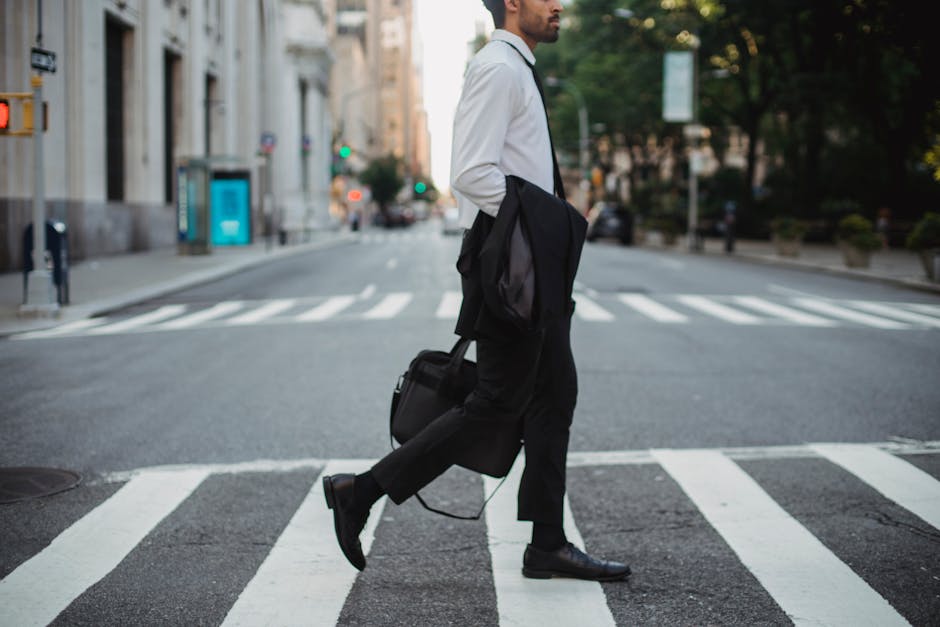
Shoes play a surprisingly big role in how people size us up at first glance. Research shows they act as key cues when judging personality traits like conscientiousness, extroversion, and reliability. For example, polished, well-maintained shoes often suggest someone who is detail-oriented and dependable, while worn or scuffed footwear might lead to perceptions of carelessness or lower professionalism.
These impressions don’t just affect how others see us—they can influence our own mindset, too. Wearing what you consider “confident” shoes can spark a self-fulfilling prophecy, boosting your self-view and projecting that confidence outward in social or professional settings. This link between footwear and self-esteem highlights how important your shoe choices are for shaping others’ perceptions and reinforcing your own sense of self.
For guidance on looking sharp and polished to support this effect, consider exploring tips on how to look polished and prepared in various work settings.
Comfort as a Confidence Cornerstone
Wearing shoes that don’t hurt makes a huge difference in how confident you feel. Pain-free feet free up mental energy, meaning you’re less distracted and more focused on what matters. When your feet feel good, it creates a positive mood loop—comfort leads to better posture, which boosts your self-assurance even more.
On the flip side, uncomfortable footwear often sparks a cycle of irritation. Sore feet can cause you to slouch or shift awkwardly, messing with your posture and making you feel less stable. This discomfort doesn’t just hurt physically; it chips away at your self-esteem and can make you more self-conscious in social or professional settings.
Sensory feedback from your feet also plays a role in confidence. Minimalist shoes, which give more direct contact with the ground, can increase your sense of being grounded and aware, enhancing your embodied cognition. Cushioned shoes, meanwhile, offer extra support and ease, helping you stay comfortable during long days. Choosing the right balance between these can help maintain both physical comfort and the psychological boost that comes with it.
Personality Expression Through Footwear Choices
Our shoe choices often say a lot about who we are, acting as a mirror to our personality. For example, bold colors and flashy designs tend to reflect extroverted traits, showcasing confidence and a flair for standing out. On the other hand, minimalist shoes usually connect with conscientiousness, suggesting a preference for order, practicality, and subtle style. This connection between shoe choices and personality helps reinforce our self-identity while boosting confidence.
Emotional ties to certain pairs also play a role in enhancing mood and self-assurance. Wearing sentimental shoes—maybe a gift from a loved one or a pair linked to positive memories—can increase comfort and lift spirits through their symbolic meaning. These positive associations often translate to a quiet boost in confidence throughout the day.
Unique or statement shoes serve as a subtle form of self-expression, allowing individuals to showcase their individuality without saying a word. Choosing standout footwear can foster a sense of quiet self-assurance, helping people feel more comfortable in their skin and aligned with their identity. This blend of style and psychology shows just how footwear and self-esteem can be intricately linked.
For inspiration on building a cohesive look that supports your personal style and confidence, check out tips on refreshing your wardrobe with seasonal color updates.
Practical Ways to Leverage Shoes for Confidence
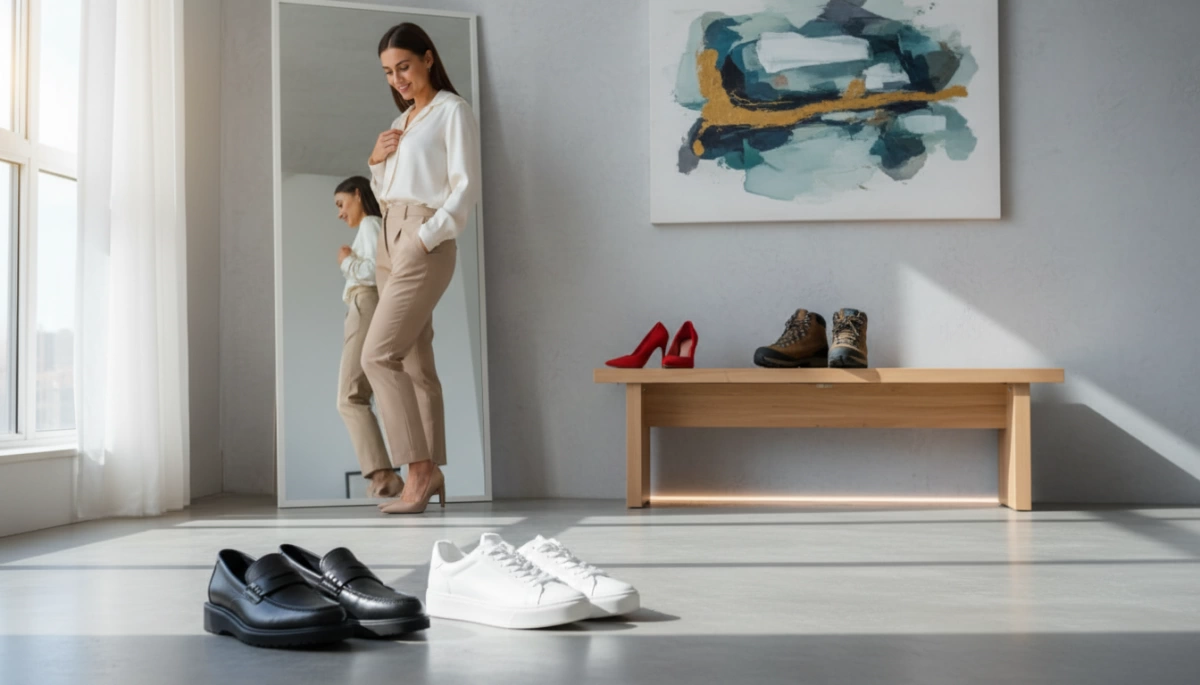
Choosing the right shoes to match your day’s demands can seriously boost your confidence. For example, wearing assertive heels during presentations often helps create a sense of power and presence, tapping into the high heels psychological effects that promote dominance and focus. On days packed with movement or long hours, supportive sneakers can keep your feet comfortable and your mood positive, thanks to the shoe comfort self-assurance link through pain-free wear.
Try developing simple confidence rituals with your footwear: keep a pair of power shoes reserved for important meetings or social events. This symbolic meaning shoes carry can help trigger a shift in mindset, making you feel more grounded and ready to take on challenges.
While certain shoe styles like high heels or dress shoes are traditionally tied to women or men, confidence boosting shoes aren’t limited by gender. Opt for styles that suit your personality and comfort needs to enhance your posture and mood without compromise. Embracing gender-neutral footwear options allows everyone to use the psychology of shoes for self-assurance, regardless of traditional norms.
For more style tips that can help you feel confident while looking your best, check out practical advice on dressing well from this secret style hack to dress.
Potential Limitations and Balanced Perspective
While the psychology of shoes and confidence reveals compelling connections, it’s important to acknowledge some mixed research findings, especially regarding direct hormone changes or long-term psychological effects from footwear choices. Not everyone experiences the same boost; what works as confidence-boosting shoes for one person might not have the same impact on someone else. Footwear and self-esteem interact uniquely with individual personality, mood, and context.
Beyond shoes, holistic confidence comes from a blend of factors—mental attitude, physical health, social support, and daily habits all play key roles. Relying solely on symbolic meaning shoes or power pose high heels won’t create lasting self-assurance without this broader foundation. For a balanced approach to building confidence, consider integrating footwear choices alongside other wellness strategies.

Related Posts