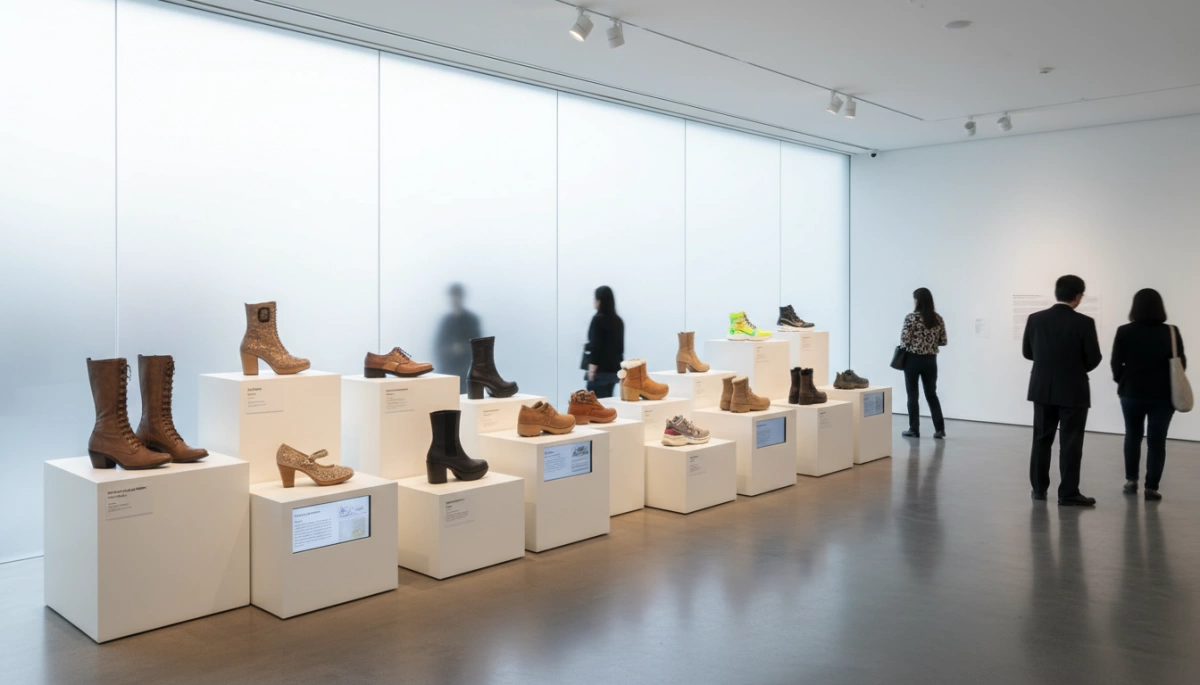
When you think about the evolution of shoe fashion through decades, you’re not just tracing changing silhouettes—you’re uncovering how culture, technology, and society have treaded together over time. From the daring T-straps of the Roaring Twenties to the sneaker revolution fueled by hip-hop, each era’s footwear tells a compelling story of its moment. In this exploration, you’ll discover how shoes have morphed far beyond mere function, becoming powerful symbols of identity, innovation, and style. Ready to walk through history with us?
The Roaring Twenties & The Jazz Age: Shoe Fashion Revolution
Ever wonder how shoe fashion mirrored the explosive energy of the 1920s? As hemlines rose during the Roaring Twenties, shoes moved front and center, becoming not just accessories but statements of style and freedom. This decade marked a key shift in vintage footwear history, with shoes designed to complement shorter skirts and reflect the vibrant spirit of the Jazz Age.
Hemline Shift Sparks Decorative Shoe Trends
- Shorter skirts called for visible footwear—shoes were no longer hidden but proudly displayed.
- Stylish cuts like T-Strap and Mary Jane pumps became all the rage, combining elegance with a playful edge.
- Designers focused on durability for dancing, ensuring shoes could handle the energetic Charleston and other popular dances.
- Luxurious details such as brocade fabrics, metallic finishes, and delicate embroidery showcased visible wealth, even amid economic shifts.
- These shoes weren’t just functional; they were a vital part of the iconic shoe trends that defined an era bursting with optimism.
In the 1920s, footwear wasn’t just about utility—it was a powerful symbol of cultural change, freedom, and the lively spirit that fueled the Jazz Age. The decade set the foundation for decades of evolving shoe styles, forever linking shoe fashion with social movements and cultural expression.
Depression Era & Wartime Utility (1930s – 1940s)
During the 1930s and 1940s, shoe fashion reflected a sharp contrast between Hollywood glamour and everyday practicality. Silver screen oxfords and polished pumps portrayed elegance on film, while most women wore simpler, more durable styles to get through tough times. The impact of wartime rationing led to inventive solutions in shoe design—cork wedges became popular as a practical alternative to leather heels, offering both comfort and style despite material shortages. Additionally, designers turned to unusual materials like reptile skins and canvas to stretch limited resources. The peep-toe shoe emerged as a bold symbol of freedom and femininity, subtly defying constraints during wartime.
This period highlights a significant chapter in vintage footwear history, showing how cultural shifts and material limitations shaped iconic shoe trends.
The Golden Age of Femininity (1950s)
The 1950s mark a pinnacle in vintage footwear history known as the Golden Age of Femininity. This era is defined by the birth of the stiletto heel, notably engineered with a steel rod for strength, thanks to innovators like Roger Vivier and Salvatore Ferragamo. These heels introduced slender, pointed toes and fragile silhouettes that emphasized elegance and ladylike grace.
Matching shoes perfectly with handbags became a key iconic shoe trend, highlighting coordinated sophistication in women’s fashion. At the same time, teenage rebellion stirred through footwear choices like saddle shoes and loafers—practical yet stylish options that pushed against the era’s delicate norms.
This decade’s footwear style is a major milestone in the history of high heels, showing how design and social cues intertwined.
The Youthquake & Space Age (1960s)
The 1960s brought a seismic shift in shoe fashion, sparked by the Youthquake movement and the futuristic Space Age vibe. Mod culture popularized flat boots and kitten heels, ditching the more delicate styles of previous decades for something bold yet practical. The iconic Go-Go boot, designed by André Courrèges, became a symbol of the era — white calf-high, shiny, and perfectly matching the youthful energy and mini skirts of the time.
This decade also introduced new materials like PVC and vinyl, which gave shoes a glossy, space-inspired look. These synthetic materials allowed designers to experiment with colors and shapes that hadn’t been possible before, marking a clear departure from traditional leather styles. This period is a key chapter in vintage footwear history, showing how cultural shifts directly influenced iconic shoe trends and the evolution of footwear design.
Disco, Rock, and Self-Expression (1970s)
The 1970s were all about making a statement with your shoes. The platform explosion took center stage, fueled by disco beats and glam rock’s flashy style. Chunky soles and towering heels became symbols of nightlife and bold self-expression. Footwear wasn’t just for fashion; it blurred gender lines, embracing gender fluidity with styles that defied traditional norms. Alongside this glam, the hippie counterculture brought earth tones, natural materials, and clogs into the mix—offering a grounded contrast to the dance floor’s glitter. This era truly celebrated individuality, mixing vintage footwear history with fresh, cultural impact on fashion trends.
Power Dressing & The Sneaker Dawn (1980s)
The 1980s marked a major shift in shoe fashion with power dressing taking centre stage. High-heeled pumps became a must-have for working women aiming to command respect and confidence in the office. These shoes were sharp, sleek, and designed to complement strong shoulder pads and tailored suits.
At the same time, athleisure made its debut with iconic sneakers like the Air Jordan 1. This kickstarted a whole new sneaker culture evolution where athletic shoes moved off the court and onto the streets as everyday fashion. Sneakers became symbols of casual cool, breaking boundaries between sportswear and high fashion.
Pop culture also fueled vibrant trends, bringing in jelly shoes and neon aerobics gear that reflected the decade’s energy and love for bright, bold colours. The 80s was a time when footwear wasn’t just functional, but a full expression of lifestyle and identity.
For those interested in mastering stylish looks from this era, exploring tips on how to dress with confidence can help you incorporate these bold shoe trends seamlessly into your wardrobe.
Minimalism to Grunge (1990s)
The 1990s marked a sharp contrast in shoe fashion with the rise of the grunge movement and minimalist trends. Grunge, with its rebellious spirit, made Dr. Martens and combat boots a staple, embodying a rugged, anti-establishment look. These sturdy shoes became iconic in the sneaker culture evolution as symbols of youth defiance and street style.
At the same time, the pop explosion led by the Spice Girls revived platform sneakers, adding a fun, bold twist to casual footwear. This era didn’t just celebrate toughness, though; it also brought forward a delicate side with minimalist, strappy sandals gaining popularity. These sandals featured slender straps and subtle designs, reflecting a sleek, understated form of expression within shoe fashion.
This period perfectly balanced gritty counterculture and polished minimalism, highlighting the diversity of 1990s footwear trends.
The New Millennium & The ‘It’ Shoe (2000s – 2010s)
The early 2000s saw the rise of the Ugly-Chic trend, where shoes like UGG boots and Crocs sparked heated debates among fashion lovers. These styles challenged traditional ideas of beauty but gained massive popularity for comfort and casual appeal. Meanwhile, designer sneakers became a status symbol, with brands like Balenciaga and Gucci popularizing “dad shoes” featuring chunky soles that dominated sneaker culture evolution. Gladiator sandals completed the boho-chic look, bringing a vintage footwear history vibe back into mainstream fashion.
This era marked a shift where iconic shoe trends blended comfort with high fashion, reflecting a more casual yet bold aesthetic. For those interested in intentional style choices, exploring the balance between trendy and timeless footwear can provide deeper insight into this dynamic decade’s cultural impact on fashion.
The Future of Footwear (2020s and Beyond)
The shoe industry is rapidly evolving with a strong focus on sustainability. Vegan leather and recycled plastics are becoming mainstream materials, reflecting growing consumer demand for eco-friendly options. Alongside this, technological advances like 3D-printed soles and smart shoes with health-tracking features are shaping the future of footwear design. Post-pandemic shifts have also emphasized comfort more than ever, pushing slides, mules, and other easy-to-wear styles into everyday use. This fusion of innovation and sustainability is setting the stage for the next chapter in the history of high heels and sneaker culture evolution.
For those interested in extending the life of their footwear in sustainable ways, exploring tips on how to prolong the life of your shoes can be particularly helpful. This not only reduces waste but also complements the growing trend toward conscious consumerism in retro shoe styles and modern designs alike.

Related Posts