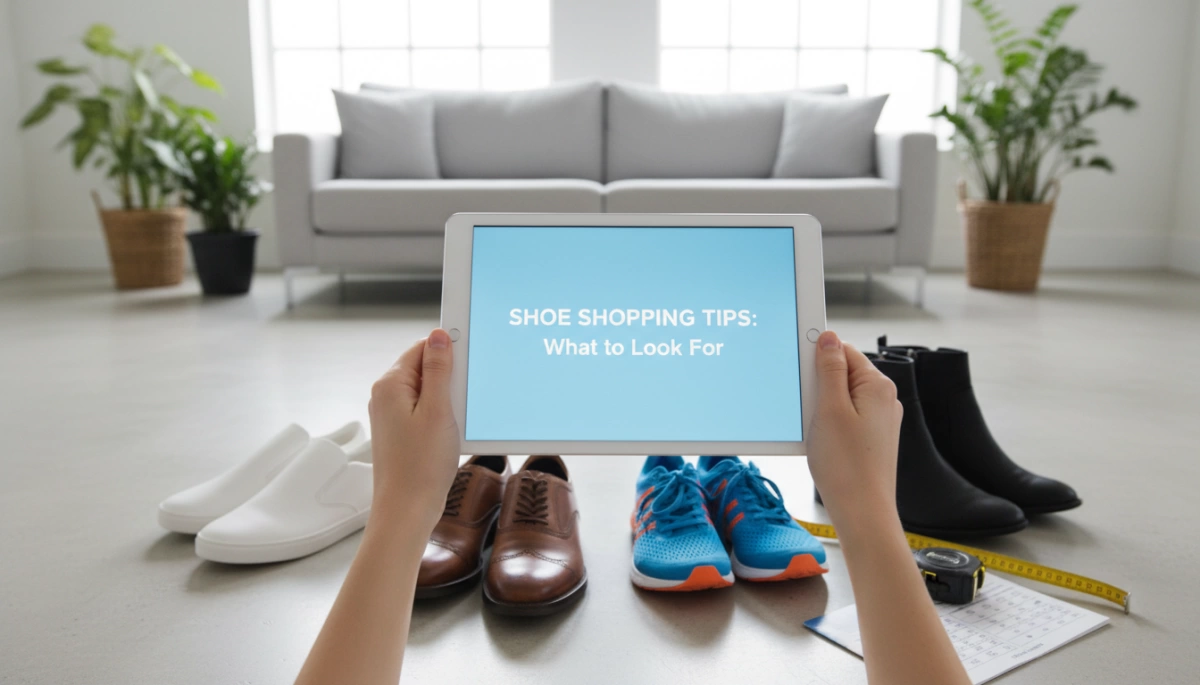
If you’ve ever felt the sting of blisters, the ache of poorly fitting shoes, or wasted money on pairs that just don’t work, you’re not alone. Shoe shopping tips aren’t just about guessing your size or picking what looks good—they’re about knowing exactly what to look for to protect your feet and invest wisely. In this guide, you’ll discover how to find the perfect fit, spot quality materials, and shop smart whether you’re in-store or online. Ready to step up your shoe game and say goodbye to buyer’s remorse? Let’s get started.
Why the Perfect Fit Goes Beyond the Number on the Box
You might think your shoe size is a fixed number, but shoe sizing isn’t standardized across brands. That means a size 9 in one brand could feel totally different in another. Relying just on the number can lead you to buy shoes that don’t really fit your feet properly.
Wearing ill-fitting shoes isn’t just uncomfortable—it can cause real health problems. Bunions, plantar fasciitis, and even back pain often start because of poor shoe fit. Shoes that are too tight squash your toes and can create pressure points, while too-loose shoes can lead to heel slippage and instability. Both issues mess with your natural gait, causing long-term damage.
The bottom line? Comfort should never be sacrificed for style. When you’re shopping, focus on fit first. A shoe that supports your arches, has a wide toe box for freedom, and stays snug without rubbing will protect your foot health and keep you moving pain-free.
Preparation Before You Head to the Store
Before you start shoe shopping, a little preparation goes a long way in finding the perfect pair that fits well and supports your foot health.
Bring the Right Socks: Always wear the type of socks you plan to use with the new shoes. Thick wool socks for hiking boots or thin liners for dress shoes can affect the fit significantly. This helps ensure the shoes accommodate the extra thickness and avoid heel slippage or tightness.
Bring Your Orthotics: If you use custom insoles or orthotics, bring them along. Testing shoes with your orthotics inserted is essential to check if the arch support and cushioning work well together and prevent discomfort.
Check Your Old Shoes: Take a quick look at the wear patterns on your current shoes’ soles. Uneven wear could indicate issues like overpronation or supination. Understanding your gait helps you select shoes with the right level of arch support or additional stability features suited for your feet.
These simple steps empower you to shop smarter and avoid common pitfalls like choosing shoes that don’t offer enough shock absorption or breathable materials.
The Golden Rule of Timing: Shop Later in the Day
One crucial tip for shoe shopping is to shop later in the day. Feet naturally swell as the day goes on due to gravity and regular activity. This foot swelling means your feet can be noticeably larger in the afternoon or evening compared to the morning.
To avoid buying shoes that feel perfect in the store but end up too tight or uncomfortable by the end of the day, schedule your shopping trip for the late afternoon or evening. Trying on shoes when your feet are at their largest ensures the shoe fit will accommodate daily swelling, preventing issues like heel slippage or pinched toes later on.
The Fitting Process: A Step-by-Step Checklist
Getting the right shoe fit goes beyond just knowing your size on the box. Here’s a simple checklist to make sure your shoes fit well and support your foot health:
Measure Every Time
Feet aren’t static—they change with age, weight, and even pregnancy. Don’t rely on your old shoe size; getting your foot measurement each time ensures you pick a pair that truly fits.
The Thumb Test
After trying on shoes, use your thumb to check the space in front of your longest toe. There should be about a half-inch (roughly a thumb’s width) of space between your toe and the toe box. This space helps accommodate foot swelling and prevents sore toes.
Check the Toe Box
A wide toe box is essential. Your toes should wiggle freely without feeling squeezed from the top or sides. If toes feel cramped, look for shoes with a wider fit to avoid issues like bunions or ingrown nails.
Width Matters
Don’t ignore width options. Many brands now offer wide, narrow, and standard widths. Choosing the correct width prevents heel slippage and gives better arch support, crucial for those with flat feet or high arches.
Assessing Construction and Quality: What to Look For
When buying shoes, it’s not just about how they look. The construction and quality play a huge role in comfort and foot health.
The Flex Test: Bend the shoe and see where it gives. It should flex at the ball of your foot—the natural bend point—not in the middle of the arch. Bending in the wrong place can lead to discomfort and poor support.
Heel Stability: Check the heel counter (the back part of the shoe). It should be firm and secure to prevent heel slippage and blisters. A stable heel keeps your foot locked in place during movement.
Material Breathability: Look for breathable materials to avoid sweaty, uncomfortable feet.
Leather and canvas are great for molding to your foot and allowing airflow.
Synthetics tend to be more durable but can trap heat, so try to find options with mesh panels for ventilation.
Cushioning and Arch Support: Check the insole’s shock absorption. It should match what you need for your activity—like extra cushioning for running shoes or firm arch support for flat feet or overpronation concerns. Proper arch support reduces strain and can help prevent pain from plantar fasciitis or high arches.
The Walk Test: Don’t Just Stand There
When trying on shoes, don’t just stand still—take a walk on a hard surface in the store, preferably away from carpeted areas. Walking helps you feel how the shoe supports your foot, revealing issues you won’t notice standing in one spot.
Sensory Check: What to Feel For
Rubbing seams: Any irritation or seams pressing against your foot can cause blisters and discomfort.
Heel slippage: The heel should stay snugly in place to avoid rubbing or blisters.
Arch support: Make sure the arch aligns with your foot’s natural shape to prevent pain or fatigue.
The Break-in Myth
Forget the idea that shoes need to be tight at first to “stretch” over time. Comfortable shoes should feel good right away—especially those with quality arch support and cushioning. Tight shoes that promise to mold later often lead to soreness and foot problems like bunions or plantar fasciitis.
Prioritize shoes that fit well on a walk test for long-term foot health and comfort. This simple step can save you from countless sore feet and shoe returns.
Tips for Online Shoe Shopping
Shopping for shoes online can be convenient but tricky when it comes to sizing and fit. Here are some essential tips to get it right:
Read Reviews on Sizing: Look specifically for feedback mentioning if the shoe runs small, large, narrow, or wide. This helps you avoid surprises and pick the right size from the start.
Check the Return Policy: Since comfort and fit are crucial, make sure the store offers free returns or exchanges. A flexible return policy is a must when buying footwear online.
Order Two Sizes to Try at Home: If you’re unsure, order your usual size plus one size up or down. Trying both at home on a hard surface gives you a better sense of fit and comfort before deciding which to keep.
These tips help you navigate common online pitfalls, ensuring you find shoes with proper arch support, wide toe box options, and no heel slippage—comfort factors that matter most.
Investing in Your Foot Health
When shopping for shoes, remember these top three tips:
Shop later in the day to account for natural foot swelling and ensure the best fit.
Always leave some wiggle room in the toe box so your toes aren’t cramped or pressed.
Choose shoes that offer immediate comfort—don’t rely on breaking in shoes over time.
Prioritize how shoes feel over how they look. Good arch support, a wide toe box, breathable materials, and a stable fit all protect your feet and help prevent issues like bunions, plantar fasciitis, or heel slippage. Investing in shoes that fit well today means better foot health tomorrow.