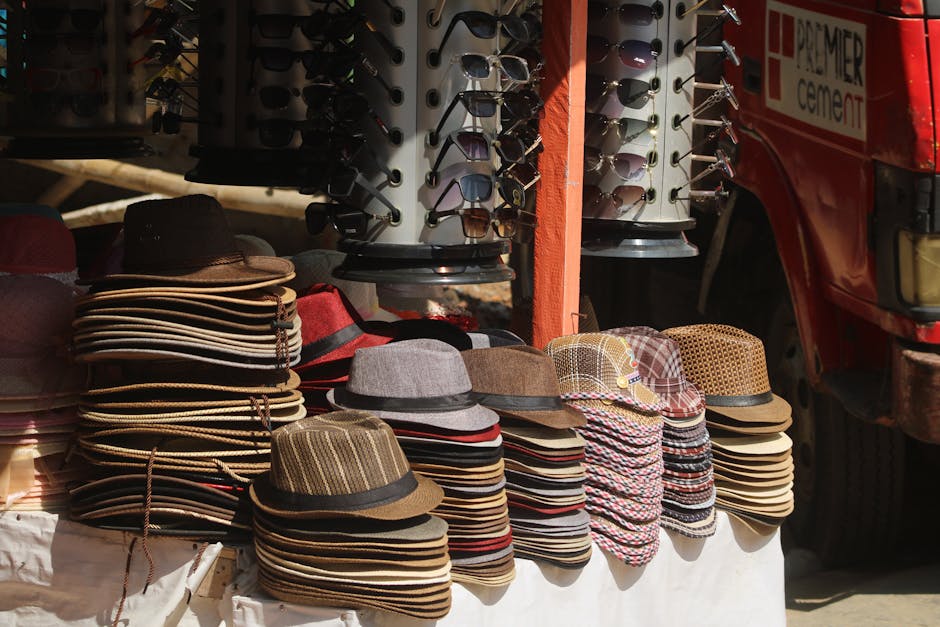
Spend $15 on a generic structured cap and it loses its shape inside two washes. Spend $90 on a New Era 59FIFTY and you’re still reaching for it three years later. That gap — and understanding what drives it — is what separates a smart hat purchase from a forgettable one.
2026 has been a strong year for headwear. Bucket hats haven’t gone anywhere. Wide-brim styles are crossing from festival wear into everyday rotation. Baseball caps, which never really left, are seeing renewed focus on materials and construction. Here’s what’s worth your money and what isn’t.
The 2026 Hat Landscape at a Glance
Before getting into individual picks, it helps to know what each style actually does well — and where it breaks down. The table below covers the five main categories, their realistic price ranges, and which brands consistently deliver on quality.
| Style | Best For | Price Range | Standout Brands |
|---|---|---|---|
| Baseball Cap | Everyday casual, sporty looks | $25–$120 | New Era, Carhartt WIP, ’47 Brand |
| Bucket Hat | Beach, streetwear, casual weekend | $30–$100 | Kangol, Patagonia, Columbia |
| Wide-Brim / Fedora | Sun protection, elevated style | $60–$250 | Brixton, Goorin Bros., Filson |
| Beanie / Knit Cap | Cold weather, winter casual | $20–$85 | Carhartt, Stormy Kromer, Fjällräven |
| Sun Hat / Booney | Outdoor activities, UV protection | $40–$110 | Outdoor Research, Columbia, Sunday Afternoons |
One note: these price ranges reflect quality entry points and reasonable ceilings. You can spend more, but diminishing returns kick in hard past the top of each range. The Kangol 504 cotton bucket at $45 and the Outdoor Research Seattle Sombrero at around $65 are both better buys than luxury alternatives at three times the price.
Baseball Caps: Why Construction Matters More Than the Logo
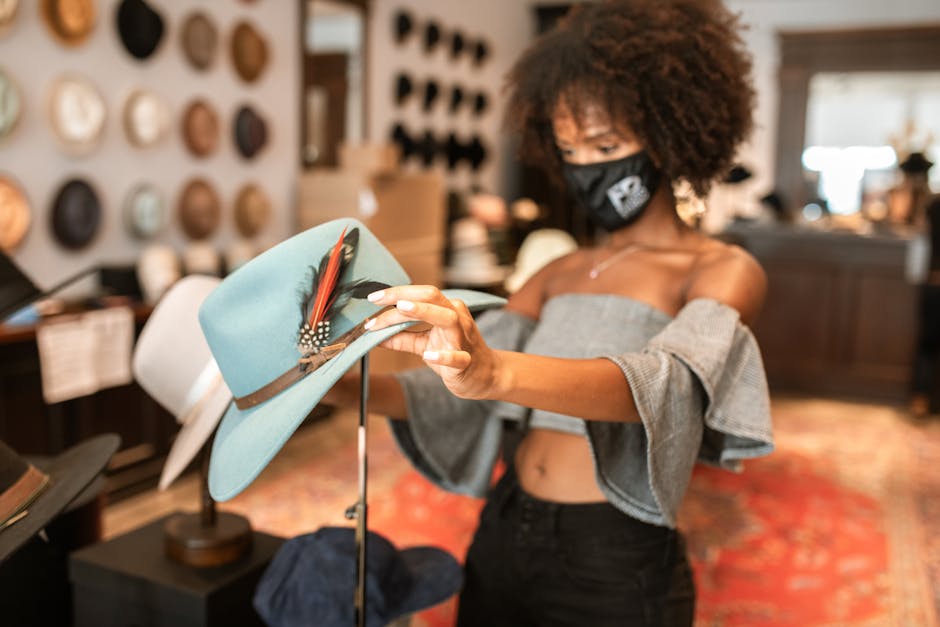
The baseball cap market is massive and mostly mediocre. Most caps fail in two places: the brim warps after moisture exposure, and the crown collapses after a few wears. Avoiding both comes down to knowing what you’re buying.
Structured vs. Unstructured: Pick Your Use Case
Structured caps have a buckram insert in the front panels that holds the crown shape wearing it or not. The New Era 59FIFTY is the benchmark — 100% wool (or wool blend depending on colorway), six panels, fully structured, with a flat brim you can curve yourself. It runs $38–$55 depending on team and colorway. The fit is precise because it’s sold in exact hat sizes, not adjustable sizing.
Unstructured caps go soft when you take them off. That’s not a flaw — it’s a design choice. The Carhartt WIP Military Cap ($40) is unstructured cotton canvas with a curved brim. It’s relaxed, fits more face shapes naturally, and packs into a bag without losing its approximate shape. Better for travel, more casual in appearance.
The Adjustable vs. Fitted Question
Fitted caps like the 59FIFTY give you a cleaner silhouette because there’s no strap or buckle disrupting the back profile. The tradeoff is that you need to know your head circumference to order correctly. Adjustable straps — snapbacks, strapbacks, or Velcro closures — are more forgiving but add visual bulk at the back.
For everyday wear where you’re mostly seen from the front, fitted caps look cleaner. For outdoor or athletic use where precise sizing matters less, adjustable works fine. The New Era 9FORTY ($28–$35) is the brand’s adjustable answer — unstructured, lighter, easier to size, and significantly cheaper than the 59FIFTY.
The ’47 Brand Clean Up cap ($28) is worth mentioning for anyone who wants the adjustable route without committing to New Era pricing. Cotton construction, unstructured, curved brim, and the brand’s own closure system. It holds up well across seasons and is machine washable — something the wool 59FIFTY is not.
Crown Height and How It Affects Your Look
High-crown caps sit taller and work better on round or shorter faces because they add vertical visual height. Low-profile caps sit flatter and suit longer or more oblong faces. The New Era 59FIFTY runs relatively high. The Carhartt Military Cap is mid-profile. The 9FORTY is low-profile. Most shoppers don’t think about this until after buying the wrong one and wondering why it looks off.
Bucket Hats: Better Construction Than You Remember
The bucket hat’s reputation took a hit in the early 2000s from cheap polyester versions that faded in one season. What’s available now is genuinely better — both in materials and brim construction. The brim is the thing to check first. A good bucket hat has a firm, down-turned brim that stays in shape. A bad one flops in different directions depending on humidity.
The Kangol 504 Wool Flexfit Bucket ($50–$65) is the category’s reference point. Wool blend, structured brim, and a fitted interior that conforms to your head without an adjustable strap. It reads as elevated casual — works with a plain tee or a light jacket equally well.
For sun and outdoor use, the Patagonia Wavefarer Bucket Hat ($49) is the practical pick. Made from recycled nylon ripstop with a UPF 50+ rating. Lightweight, packs flat, and dries quickly. The brim is wider than the Kangol — more protective, slightly more utilitarian-looking. If you’re spending time near water or in direct sun, the Wavefarer wins easily.
The Columbia Bora Bora Booney II ($35) is a cheaper alternative for outdoor use, with UPF 50 and mesh panels for ventilation. It doesn’t look as polished as the Kangol or as streamlined as the Wavefarer, but at $35 with legitimate sun protection, it’s hard to argue against for camping or hiking.
Verdict: Fashion-first buyer goes with the Kangol. Outdoor use, go Patagonia Wavefarer. Budget outdoor pick is the Columbia Bora Bora Booney II.
Face Shape and Hat Fit: The Chart That Actually Helps
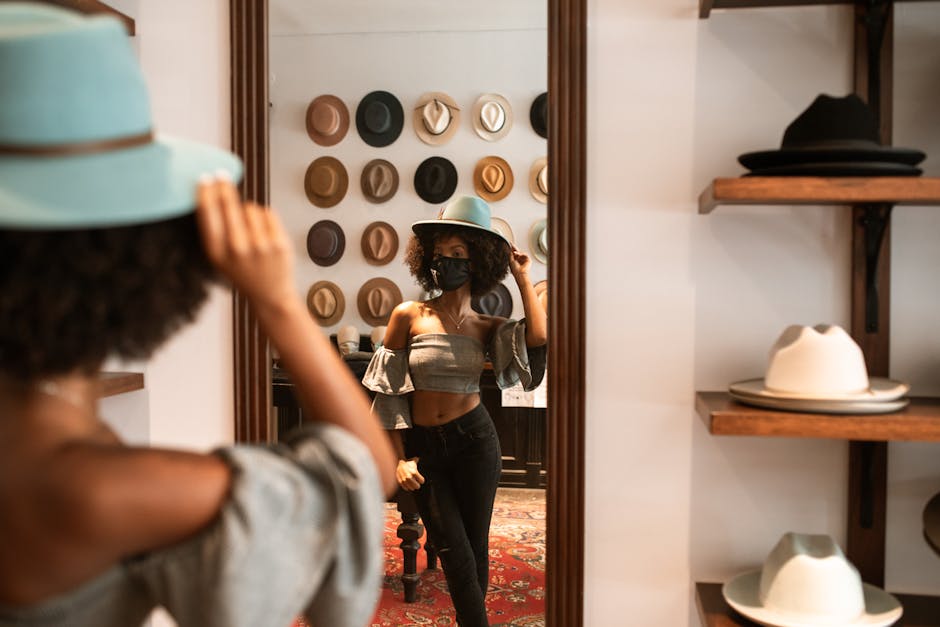
Most hat guides mention face shape and then describe it in vague terms. Here’s the direct version.
| Face Shape | Hats That Work | Hats to Avoid |
|---|---|---|
| Round | High-crown structured caps, fedoras with taller crowns | Low-profile snapbacks, round bucket hats |
| Oval | Most styles; the flexible face shape | Extremely oversized brims that dwarf features |
| Square | Curved-brim caps, bucket hats, soft fedoras | Very wide flat brims that echo jaw width |
| Oblong / Long | Low-profile caps, wide brims, floppy sun hats | Tall structured crowns — add visual length |
| Heart | Medium brims, beanies, mid-profile caps | Very narrow brims that emphasize forehead width |
Why Crown Height Is the Variable Most Guides Skip
Crown height changes the perceived length of your face more than brim width does. A high crown on an already-long face pushes proportions further. A low-profile cap on a round face does nothing to counteract roundness. When trying on a hat, check vertical proportion first — does your face look more balanced, or does it look shorter or longer? Brim width is secondary to crown height every time.
Head Circumference: The Measurement Worth Taking
Measure at the widest point of your head — about an inch above your ears and across your forehead. Most adult men fall between 56cm and 59cm. Women typically 54cm–57cm. The New Era 59FIFTY has exact size charts on their site. Most adjustable caps comfortably cover 54–60cm. If you’re outside that range, look for brands that offer XL or XS sizing explicitly — many don’t, which narrows your options fast.
Fedoras and Wide-Brim Hats: Direct Answers
Are fedoras actually wearable in 2026?
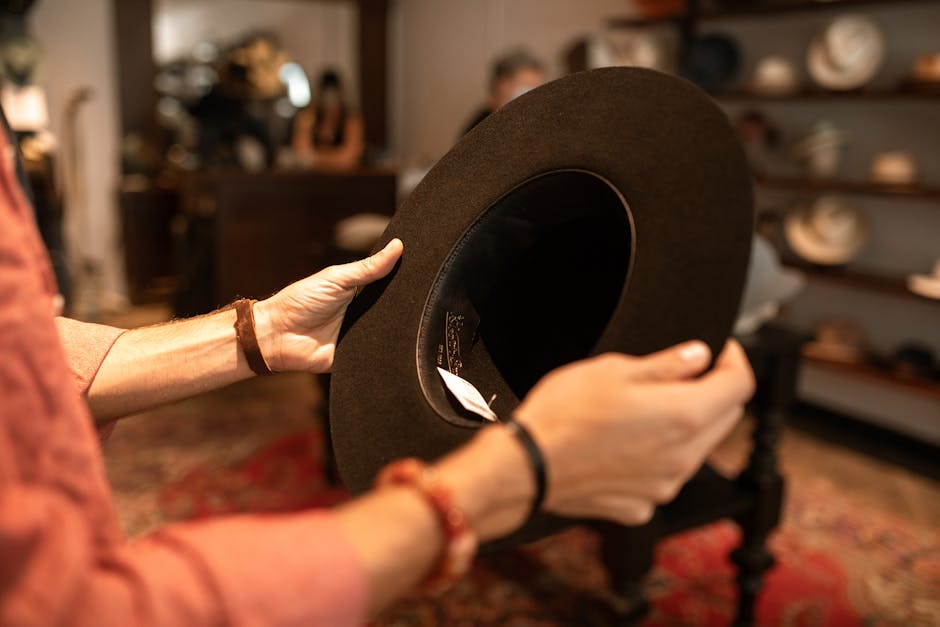
Yes, with caveats. The classic creased-crown, snapped-brim silhouette works in two contexts: dressed-up casual (chinos, a button-down, leather shoes) and outdoor sun protection. Wearing a felt fedora with streetwear or athleisure is where it usually goes wrong. The Brixton Messer Fedora ($65–$85) is the most reliable entry point — medium brim, wool felt, structured but not stiff. It looks intentional without trying too hard.
What separates a fashion fedora from a quality one?
Felt type. A quality fedora uses either wool felt or fur felt. Wool felt holds its shape reasonably well in light moisture. Fur felt — rabbit or beaver — handles moisture better and molds to your head over time for a custom fit. That’s what you find in $150+ options like the Goorin Bros. Top of the World fedora ($140). Fashion fedoras from fast-fashion retailers use polyester felt, which goes limp in humidity and creases in ways you can’t press out. The price gap between a $25 fashion fedora and a $70 wool fedora is entirely justified.
Which wide-brim hat is best for actual sun protection?
If UV blocking is the primary goal, look at the Outdoor Research Seattle Sombrero (~$65) or the Sunday Afternoons Ultra Adventure Hat (~$75). Both carry UPF 50+ ratings and brims wide enough — 3 inches or more — to actually shade your face and neck rather than just your scalp. The Filson Tin Cloth Packer Hat ($135) is worth noting for durability: waxed cotton, all-weather, and it improves with age. It’s not a dedicated sun hat, but the 3-inch brim provides solid coverage and handles rain that would ruin a felt fedora.
Winter Picks: Three Hats, No Padding
The Carhartt Acrylic Watch Hat ($22) is the baseline — ribbed knit, fits virtually every head, holds up through years of hard use. The Stormy Kromer Original Cap ($80) is the upgrade if you want something with a brim: wool blend, ear flaps that fold up when not needed, made in Michigan. For genuinely cold conditions below 20°F, the Outdoor Research Peruvian Hat ($45) adds ear and neck coverage that standard beanies simply can’t match.
What the Price Gap Between Cheap and Expensive Hats Actually Reflects
Most of the money goes to three things: material quality, brim construction, and internal structure. Everything else is brand margin, and it varies a lot by label.
Material: Wool vs. Acrylic vs. Cotton
Wool regulates temperature better than acrylic and holds its shape better when wet. A wool felt fedora ($65–$150) will look better after 50 wears than a polyester one after five. Wool baseball caps like the New Era 59FIFTY maintain their crown structure without needing additional stiffeners. Acrylic beanies are cheaper and dry faster but pill faster and breathe less. Cotton canvas caps are durable and wash well, but can shrink if machine dried — worth knowing before you buy the Carhartt Military Cap and toss it in a hot cycle.
Brim Construction: Where Cheap Hats Fail First
The brim on a baseball cap contains a stiffener — either buckram (a stiff cotton fabric) or a plastic insert. Cheap caps use thin plastic that warps after sweat or rain exposure. Quality caps use multi-layer buckram or heavier poly inserts that keep the brim flat. You can test this in-store by flexing the brim. It should spring back to flat without hesitation. If it doesn’t, that brim will be permanently curved within one season.
On fedoras and wide-brim hats, brim wiring is what prevents the limp, floppy look. A wired brim holds its set angle. An unwired brim droops over time. The Brixton Messer has a wired brim. Budget felt hats often don’t — which is why they look fine in the shop and shapeless three months into ownership.
Sweatband Quality and Long-Term Fit
Cheap sweatbands are cotton or thin synthetic. They stain visibly within a season and compress unevenly, changing how the hat sits. Quality sweatbands are wider, made from leather or moisture-wicking fabric, and hold their shape so the hat fits consistently wear after wear. The Filson Tin Cloth Packer at $135 has a full leather sweatband. It’s not a glamorous detail, but it’s the reason a well-maintained Filson looks good for a decade.
At the $40–$90 price point, you get a hat that performs reliably for three to five years with minimal maintenance. Below $30, you’re typically replacing it annually. Above $150, you’re paying for fur felt, leather sweatbands, and hand-finishing — genuine quality improvements, but ones that only matter if you’re wearing the hat daily or want a piece that holds up indefinitely.

Related Posts