Walk into any mall right now and count how many storefronts have a “sustainable” tag. You’ll hit double digits before you finish the first wing. The term has been stretched so thin that it now covers everything from a $12 polyester dress labeled “conscious” to a $400 organic cotton trench coat. The problem is not that sustainable fashion is a scam. The problem is that most buyers have no way to tell which claims are real and which are marketing. This guide walks through what the certifications actually certify, which fabrics perform as advertised, and how to spot the difference between a genuine effort and a greenwashed price tag.
The Five Certifications That Actually Mean Something (and the Ones That Don’t)
Most shoppers assume a leaf icon or a green logo on a tag means something. It does not. There is no single global standard for “sustainable.” But there are specific third-party certifications with published criteria. If a brand uses these, you can verify what they claim. If they don’t, you are trusting their marketing department.
GOTS (Global Organic Textile Standard)
GOTS is the most rigorous certification for organic fibers. A garment labeled “GOTS certified” means at least 70% of the fibers are organic, and the entire supply chain — from harvesting to dyeing to manufacturing — meets environmental and social criteria. No toxic chemicals. No forced labor. Annual audits. This is the gold standard for cotton, linen, and wool. If a brand says “organic cotton” but does not have a GOTS certificate number on their site, it is likely a self-declared claim. Patagonia uses GOTS-certified organic cotton in their staple tees ($35–$55). Eileen Fisher sources GOTS-certified linen for their signature wide-leg pants ($198).
OEKO-TEX Standard 100
OEKO-TEX tests finished products for harmful substances. It does NOT certify organic farming, fair labor, or carbon footprint. A shirt can be made from conventionally grown cotton, dyed with synthetic chemicals, and still pass OEKO-TEX if no banned substances remain in the final fabric. This is useful for allergy or skin sensitivity concerns. It is not a sustainability claim. Brands like Stella McCartney use OEKO-TEX-certified viscose, but the brand also holds other certifications. On its own, OEKO-TEX means the shirt won’t poison you. It does not mean the shirt was made ethically.
Fair Trade Certified
Fair Trade focuses on worker wages and community development. A Fair Trade Certified garment means the factory paid workers a premium above the minimum wage and that premium goes into a community fund. It does NOT guarantee organic fibers or low environmental impact. A Fair Trade polyester jacket is still polyester. Kotn uses Fair Trade Certified factories for their Egyptian cotton basics ($25–$45). Maggie’s Organics combines Fair Trade with GOTS for their socks and leggings.
B Corp Certification
B Corp evaluates the entire company: governance, workers, community, environment, customers. It is a holistic certification, not a product-level one. A brand can be B Corp certified while selling some products that are not sustainable. Patagonia is a B Corp. Allbirds is a B Corp. But the certification applies to the company’s overall operations, not every individual shoe. Useful for evaluating a brand’s long-term commitment. Not useful for verifying a single garment.
What “Recycled Polyester” Actually Means
Recycled polyester (rPET) is made from plastic bottles or post-industrial waste. It uses less energy than virgin polyester and keeps plastic out of landfills. But it still sheds microplastics in the wash. It is not biodegradable. It is better than virgin polyester, but it is not a solution. Girlfriend Collective uses rPET in their leggings ($64). Outerknown uses rPET in their board shorts. If you care about microplastic pollution, look for garments made from natural fibers instead.
| Certification | What It Certifies | What It Does NOT Certify | Example Brand Using It |
|---|---|---|---|
| GOTS | Organic fibers, chemical-free processing, fair labor | Carbon offset, water usage | Patagonia |
| OEKO-TEX 100 | No harmful substances in final product | Organic farming, fair labor, environmental impact | Stella McCartney |
| Fair Trade Certified | Worker wages, community funds | Organic fibers, chemical use | Kotn |
| B Corp | Company-wide social and environmental performance | Product-level sustainability | Allbirds |
| Recycled Polyester (rPET) | Material from recycled plastic | Biodegradability, microplastic shedding | Girlfriend Collective |
The Three Fabrics That Actually Reduce Environmental Impact (and the One That Doesn’t)

Fabric choice is the single biggest factor in a garment’s environmental footprint. A wool sweater from a regenerative farm beats a polyester sweater every time. But not all natural fibers are equal, and not all synthetics are disasters. Here is the breakdown.
Organic Cotton vs. Conventional Cotton
Conventional cotton uses about 16% of the world’s insecticides and 7% of pesticides, according to the Textile Exchange. Organic cotton uses none. But organic cotton farming still uses water — roughly 10,000 liters per kilogram of fiber. That is less than conventional cotton (which can exceed 20,000 liters per kilogram depending on region), but it is not zero. The real advantage of organic cotton is soil health and farmer safety. Pact uses GOTS-certified organic cotton for their underwear ($12–$18 per pair). MATE the Label uses organic cotton for their loungewear sets ($98).
Tencel (Lyocell) and Modal
Tencel is a brand name for lyocell, a fiber made from wood pulp (usually eucalyptus) using a closed-loop process that recovers 99% of the solvent. It uses less water than cotton and is biodegradable. Modal is similar but uses a different solvent. Both are better than viscose, which often uses toxic chemicals and is not closed-loop. Reformation uses Tencel in many of their dresses ($128–$248). Everlane uses Tencel in their linen alternatives. The catch: Tencel is still a semi-synthetic fiber. It is not plastic, but it is processed. If you want fully natural, stick with organic cotton, linen, or wool.
Deadstock Fabric
Deadstock fabric is leftover material from other brands’ production runs. It would otherwise go to landfill. Using deadstock requires no new resources — no water, no chemicals, no farming. Reformation built their brand on deadstock. Stella McCartney uses deadstock for limited runs. The downside: deadstock is finite. Once it is gone, it is gone. You cannot scale a business on deadstock alone. And some deadstock is polyester. So check the fiber content.
Why “Bamboo” Is Usually Not Sustainable
Bamboo fabric is marketed as eco-friendly because bamboo grows fast without pesticides. But the process to turn bamboo into fabric is almost identical to viscose: dissolve the pulp using carbon disulfide, which is toxic to workers and the environment. Most bamboo fabric is viscose made from bamboo. It is not mechanically processed like linen. Unless the label says “mechanically processed bamboo” or “bamboo linen,” assume it is viscose. Cariloha sells bamboo viscose sheets. They are soft. They are not particularly sustainable.
Three Common Buyer Mistakes and How to Avoid Them
Most people who want to buy sustainable fashion end up making the same errors. Here are the three most common.
Mistake 1: Trusting Brand Websites Without Verification
A brand’s “Sustainability” page is marketing copy. It will say “We care about the planet” and show photos of happy workers. That is not evidence. Look for third-party certification logos with certificate numbers. Patagonia publishes their supply chain map. Eileen Fisher publishes their annual sustainability report with audited data. If a brand does not link to a certification body or a public audit, assume the claim is unverified.
Mistake 2: Buying New “Sustainable” Items Instead of Used
The most sustainable garment you can buy is the one that already exists. A secondhand wool coat from a thrift store has zero new resource input. A new organic cotton coat, even GOTS certified, required water, land, and transport. For most buyers, the most impactful change is buying less and buying used. The RealReal and Vestiaire Collective authenticate luxury resale. ThredUp covers mid-range brands. If you must buy new, buy from a brand with certified practices. But if you can buy used, do that first.
Mistake 3: Confusing Price with Sustainability
A $500 dress is not automatically more sustainable than a $50 dress. High price can mean better materials and construction, which leads to longer garment life. But it can also mean brand markup. Conversely, a $20 T-shirt from a fast-fashion brand is almost certainly not sustainable — the price point does not allow for organic fibers or fair wages. Price alone is not a signal. Certification is.
When NOT to Buy Sustainable Fashion (and What to Do Instead)

This section is short because the answer is simple. Do not buy sustainable fashion when you do not need the item. The most sustainable purchase is no purchase. If you need a specific garment for a specific purpose — a winter coat, a pair of work trousers, a dress for a wedding — buy the best quality you can afford from a certified brand or buy used. If you are buying because you want to feel good about a purchase, stop. That feeling fades. The garment sits in your closet.
If you need a garment but cannot afford the certified options, buy used. ThredUp, local consignment shops, and eBay have thousands of options at every price point. If you need something specific that is hard to find used — like a waterproof jacket or technical hiking pants — look for brands that publish their supply chain data. Patagonia has a used gear program called Worn Wear. REI has a used gear section. The North Face has a Renewed program. These options cost less than new and keep existing garments out of landfill.
Do not buy a “sustainable” polyester dress from a brand that cannot tell you where it was made. Do not buy bamboo viscose yoga pants thinking they are eco-friendly. Do not buy anything just because it has a green tag. Buy because you need it, and verify the claim.
Five Brands That Publish Verifiable Data (Not Just Marketing)
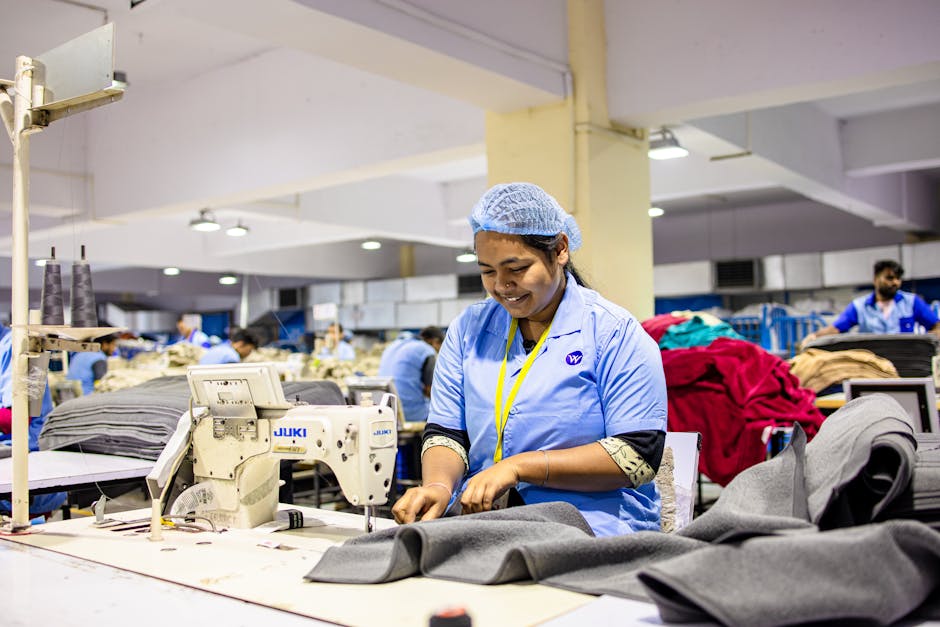
These brands have been audited by third parties. Their claims can be checked. This is not a complete list, but it is a starting point for anyone who wants to buy with confidence.
- Patagonia — B Corp, GOTS organic cotton, Fair Trade Certified factories, Worn Wear resale program. Publishes supply chain map. Price range: $35–$500.
- Eileen Fisher — B Corp, GOTS organic linen and cotton, take-back program (Renew). Publishes annual sustainability report with audited data. Price range: $100–$400.
- Stella McCartney — B Corp, uses organic cotton, recycled cashmere, and deadstock. Publishes environmental profit and loss account. Price range: $200–$2,000.
- Kotn — GOTS organic cotton, Fair Trade Certified factories, transparent pricing on their site. Price range: $25–$80.
- Girlfriend Collective — Uses rPET and deadstock, publishes factory audit results, transparent about pricing. Price range: $38–$78.
These brands are not perfect. No brand is. But they have opened their operations to outside scrutiny. That is the closest thing to a guarantee you will get in this industry.

Related Posts