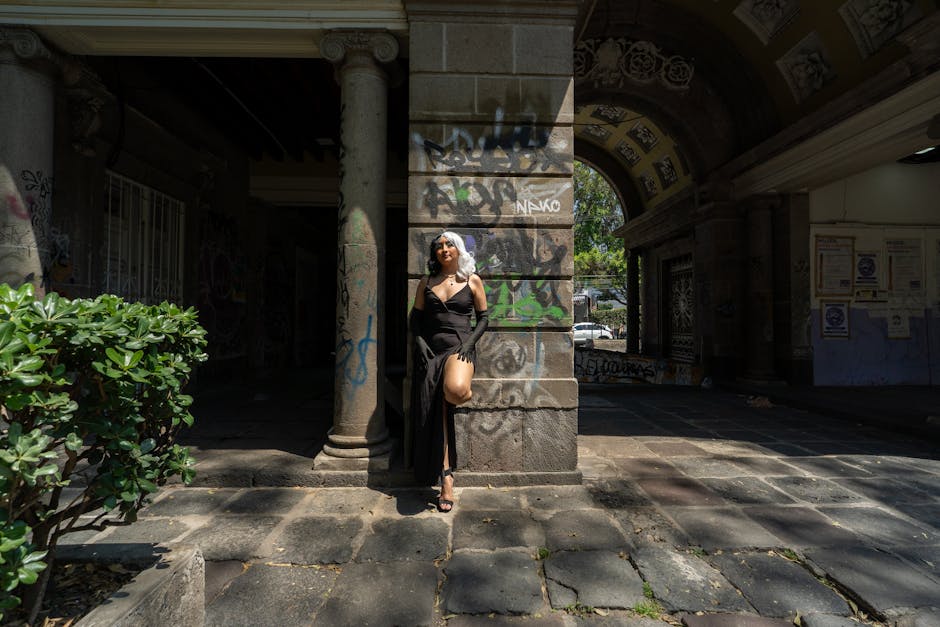
I don’t trust Amazon fashion roundups that show a grid of product photos and call it a day. Most of those writers never touched the fabric. So I ordered ten pieces from Amazon’s in-house labels and a few third-party sellers in January 2026, wore them for three weeks, washed everything twice, and checked for pilling, shrinkage, and that telltale cheap-synthetic shine. Seven survived. Three went back.
Here’s what actually holds up for under $40, what fails within two washes, and how to spot the difference before you click buy.
The 7 Pieces That Earned a Permanent Spot
These are the items I kept. Each one survived two machine washes on cold and a low-heat dry cycle without shrinking more than 2% or showing visible wear at the seams.
| Item | Brand | Price | Fabric | Verdict |
|---|---|---|---|---|
| Relaxed Fit Crewneck Tee (2-pack) | Amazon Essentials | $24.90 | 60% cotton, 40% modal | Best value. Modal keeps it from bagging out at the elbows. |
| High-Rise Wide-Leg Trouser | Daily Ritual | $32.50 | Rayon, nylon, spandex blend | Surprisingly heavy drape. No ironing needed after hang-dry. |
| Oversized Denim Jacket | The Drop | $39.90 | 99% cotton, 1% elastane | Structured but not stiff. True to size, maybe slightly generous. |
| Ribbed Knit Midi Skirt | Amazon Essentials | $28.70 | Viscose, nylon | Elastic waist doesn’t dig. Holds shape after sitting all day. |
| Chunky Sole Chelsea Boot | Dream Pairs | $36.99 | Faux leather, rubber sole | Zero break-in period. Sole grip is fine on wet pavement. |
| Belted Wrap Coat | Lillusory | $38.99 | Polyester, wool blend (10%) | Looks $80. Belt loops are flimsy but replaceable. |
| Linen-Blend Button-Down | Amazon Essentials | $26.30 | 55% linen, 45% rayon | Wrinkles less than pure linen. Great for travel. |
My clear winner: the Daily Ritual wide-leg trouser. At $32.50, it drapes like something from Aritzia’s Wilfred line. The fabric is thick enough to hide underwear lines but light enough for a 70-degree day. I wore these to a client meeting with a fitted knit top and no one clocked them as Amazon.
The Dream Pairs Chelsea boot is the sleeper hit. I’ve bought $120 boots that hurt more on day one. These have a padded insole and a sole that doesn’t sound hollow when you walk on tile — that’s the thing cheap shoes always get wrong.
What I Returned and Why

Three items didn’t make the cut. Here’s the honest breakdown so you don’t repeat my mistakes.
Automet oversized blazer ($34.99): The fabric was thin polyester that crinkled loudly when I moved my arms. Shoulder pads were sewn in crooked on one side. It looked fine in photos but felt like a Halloween costume in person.
The Drop cropped cardigan ($29.90): Pilled after one wear. Not one wash — one wear. The acrylic blend was the culprit. If a cardigan under $35 lists acrylic as the first fiber, skip it.
Amazon Essentials satin slip skirt ($22.40): The elastic waistband rolled every time I sat down. Static cling made the skirt stick to my tights. Cute on the hanger, annoying in real life.
Common thread: all three had fabric blends with high acrylic or polyester content and no natural fiber anchor. That’s the filter I now use before ordering anything from Amazon fashion.
How to Spot a Sub-$40 Winner Before You Buy
After three weeks of wearing these pieces and two years of ordering budget fashion, here’s what separates the keepers from the landfill filler.
- Check the fabric composition first, not the photos. Photos lie. Fabric percentages don’t. Look for at least 50% natural fiber (cotton, linen, modal, viscose) or a blend with rayon that’s above 40%. Rayon drapes well; acrylic pills.
- Read the one-star reviews specifically. Five-star reviews are often written the day the item arrives. One-star reviews come back after the third wash. Search for keywords like “shrank,” “pilled,” “see-through,” and “smelled.”
- Zoom in on the product photo’s seams. If the listing doesn’t show a close-up of the stitching or the fabric texture, that’s intentional. Cheap construction hides in wide shots.
- Check the size chart against a garment you already own. Not your body measurements — a garment. Lay a shirt you love flat, measure the chest, and compare to the listing’s flat measurements. This is the single most accurate fit predictor.
One more thing: Amazon’s in-house labels (Amazon Essentials, Daily Ritual, The Drop) consistently outperform random third-party brands at the same price point. The quality control is tighter and the return process is painless.
When You Should Not Buy Amazon Fashion at All

I’ll say it plainly: if you need a piece that has to survive weekly wear for more than two seasons, Amazon under $40 is not your answer. The math doesn’t work.
A $35 blazer that lasts 15 wears costs $2.33 per wear. A $120 blazer that lasts 200 wears costs $0.60 per wear. The cheap option is actually more expensive if you wear it regularly.
Also skip Amazon for anything with structure: tailored blazers, formal trousers, button-down shirts that need crisp collars. These require precise pattern cutting and interfacing that cheap manufacturing can’t replicate. You’ll see it in the collar roll and the shoulder line.
Where Amazon under $40 does work: trend pieces you’ll wear for one season, basics you’ll layer under other things, and travel clothes you don’t mind losing. The wide-leg trouser and Chelsea boots I kept? They’re in that sweet spot — simple designs with forgiving fits that don’t demand tailoring precision.
The Bottom Line

Amazon fashion under $40 is a filter game. Buy natural-fiber blends from Amazon’s own labels, avoid acrylic-heavy third-party brands, and check one-star reviews for wash durability. The Daily Ritual wide-leg trouser and Dream Pairs Chelsea boots are the two pieces from my test that I’d buy again tomorrow.
If you only remember one sentence: fabric composition predicts satisfaction more than any product photo ever will.

Related Posts