The invite says black-tie optional, so you assume a polished cocktail dress will be fine. It might be. It might also leave you feeling underdressed for the entire evening — especially if the event is a charity gala or a formal wedding reception where most guests read the dress code literally.
The six outfit formulas below cover every major black-tie optional scenario. Two work for ballroom-level galas. Two are better for estates or private clubs. One is built for women who prefer tailoring over dresses. And one solves the autumn outdoor formal, where a full gown is impractical and a standard cocktail dress feels too casual.
What “Black-Tie Optional” Actually Means — and How to Calibrate It
Black-tie optional sits between cocktail and full black tie. The “optional” part releases the traditional requirement but does not lower the standard. Men who want a tuxedo still wear one. Women have more flexibility — but only to replace the gown with something of equivalent elegance, not to dress down.
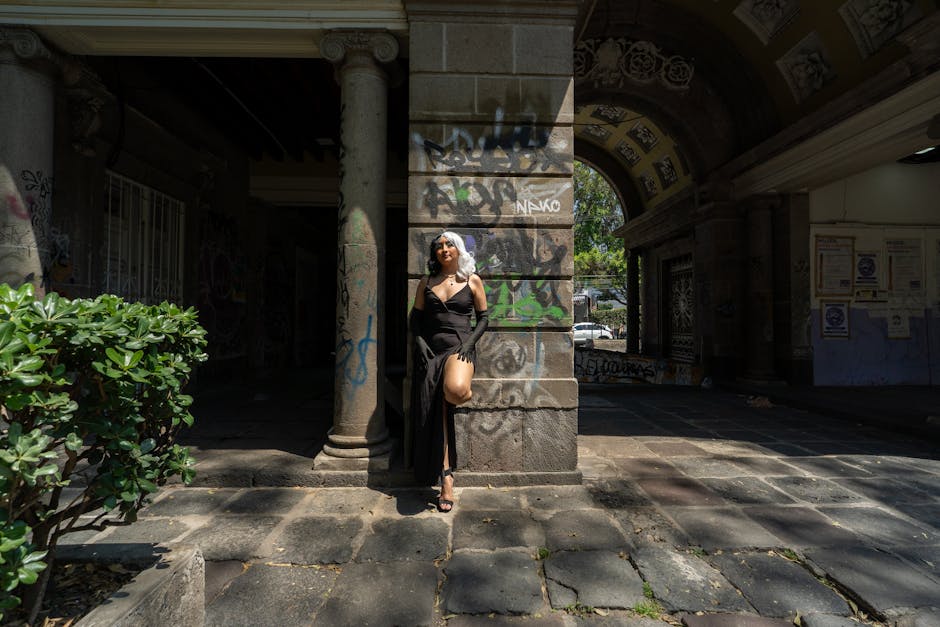
For women, this translates to: a floor-length or midi gown, a formal cocktail dress, a tailored jumpsuit in a structured fabric, or a sharply constructed separates combination. What does not belong — regardless of price tag — is anything with visible stretch, a bodycon cut, or fabrics that read casual. Linen, cotton jersey, anything that creases when you sit: wrong regardless of color or brand.
How venue type changes the calibration
The event location tells you more than the dress code wording does. A hotel ballroom or opera house event sits close to full black tie — a floor-length gown or very formal midi is the right call. A private estate or members’ club gives you more room: cocktail-length or a trouser suit in a formal fabric both work. An outdoor autumn evening is its own category — full gowns are impractical on grass or uneven stone, and velvet or structured fabrics handle cooler temperatures far better than silk.
The fabric test that actually works
Formal or not is encoded in fabric first, silhouette second. Silk crepe, duchesse satin, velvet, chiffon, beaded fabric, brocade — all read as evening-appropriate. Jersey, cotton, linen, ponte — all read casual even in a floor-length cut. Hold the garment. Formal fabrics have weight, sheen, or texture. Casual fabrics feel soft and breathable at room temperature.
Velvet is consistently underused for autumn events. It photographs well in low light, handles cooler evening temperatures, and reads clearly as formal without requiring a gown-length commitment.
When “optional” means closer to required
Some events use “optional” to be polite but genuinely expect elevated formal. The signals: hotel venues with coat check, start times of 8pm or later, charity events with tickets over $200 per person, multi-course seated dinners. At these, treat the code as regular black tie. The “optional” language protects guests who genuinely cannot dress up — it was never meant as an invitation to wear whatever nice thing you already own.
The 6 Outfit Formulas, Compared

| # | Outfit Formula | Key Fabric | Best Event Type | Brand Examples | Price Range |
|---|---|---|---|---|---|
| 1 | Column gown | Silk crepe or satin | Ballroom gala, awards dinner | Galvan London, Reformation | $250–$600 |
| 2 | Velvet midi dress | Velvet, fitted or A-line | Autumn events, outdoor estates | Reiss, & Other Stories | $120–$280 |
| 3 | Wide-leg satin jumpsuit | Satin, crepe, or jacquard | Private clubs, non-traditional venues | ROTATE Birger Christensen, L’AGENCE | $200–$500 |
| 4 | Beaded top + wide-leg trousers | Beading over chiffon, crepe trousers | Any venue, cooler indoor spaces | Self-Portrait, Veronica Beard | $180–$450 combined |
| 5 | Tuxedo-style trouser suit | Wool-crepe with satin lapel | Urban venues, corporate events | Massimo Dutti, Veronica Beard | $250–$700 |
| 6 | Structured tea-length dress | Organza, taffeta, or brocade | Garden weddings, estate dinners | ROTATE Birger Christensen, Amsale | $200–$450 |
Outfit #3 is the most underestimated formula on this list. A ROTATE Birger Christensen satin wide-leg jumpsuit in black or midnight blue reads as formal as any gown — when styled with the right shoes and clean jewelry. The mistake is choosing a jumpsuit in the wrong fabric. Jersey and ponte jumpsuits don’t cross the formal threshold, regardless of cut or length.
Outfit #4 is the most practical for guests who travel to events. The pieces pack flat and separately, and both have genuine post-event use: the crepe trousers pair with a silk blouse, the Self-Portrait beaded top works over tailored dark denim. Every other formula on this list is a single-use outfit. This one is not.
The One Detail That Signals “Formal” Faster Than the Dress
Your shoes. A $150 Reformation midi dress with Stuart Weitzman Nudist sandals reads as intentional and put-together. The same dress with a block-heel ankle boot reads like you changed plans at the last minute. The dress does most of the work — the shoe either closes the gap or quietly undoes everything else.
Matching the Outfit to Your Specific Event

Four common black-tie optional scenarios where the right answer isn’t immediately obvious:
- Autumn outdoor wedding: Skip the full gown — grass, flagstone, and cooler evening temperatures make it impractical. A velvet midi dress from Reiss or & Other Stories with a structured wool wrap is the cleanest answer. If you prefer pants, a trouser suit with a satin lapel works equally well here.
- Hotel ballroom charity gala: This reads as close to full black tie as black-tie optional gets. A column gown or formal floor-length dress is correct. Cocktail-length only works if the fabric is clearly formal — silk, beaded, or structured satin. Jersey, even floor-length, reads wrong in this environment.
- Private club or members’ dining room: Slightly more relaxed. The jumpsuit and the separates formula both work confidently. A velvet midi with a pointed-toe heel is also strong here. Avoid anything that reads too casual, regardless of brand or price.
- Corporate awards dinner: The column gown or the tuxedo-style trouser suit are the safest picks. A trouser suit in black or deep navy with a satin lapel signals intentional formality without the vulnerability of a gown in a seated dinner setting.
One situation people consistently misread: destination events that require travel. Packing a structured gown is genuinely inconvenient. The wide-leg jumpsuit packs flat, wrinkles less than satin, and steams quickly on arrival. If travel is involved, that’s outfit #3 by default.
Shoes, Bags, and Jewelry — Where Good Outfits Fall Apart

The dress gets 90% of the attention. Accessories are where the outfit succeeds or quietly fails at formal events. Most guests get the dress right and then grab whatever shoes they own. That’s where the outfit loses coherence.
Shoes: the rule that doesn’t bend
The shoe must be an evening shoe — defined by construction (strappy, pointed-toe, or slim-heeled) and material (satin, metallic leather, or suede). The Schutz Cadey-Lee heeled sandal at $98 is a specific, reliable option that works across most of these formulas. Jimmy Choo’s AZIA 85 sandal (around $595) is the version for gala-level events. Block heels are acceptable. Platform and chunky styles are not — they read daytime regardless of color or fabrication.
Bags: small and deliberate
A formal event bag is small by definition: clutch, micro-bag, or minaudière. The Cult Gaia Ark Bag (around $188) works with most of these outfit formulas without competing with the dress. The Jimmy Choo Bon Bon clutch (around $450) is better suited to column gown territory. What doesn’t belong: a structured work bag, a large crossbody, anything with prominent casual branding.
Jewelry: one statement, not three
Pick a focal point — earrings, necklace, or bracelet — and underdo the rest. A velvet midi dress with chandelier earrings needs nothing else. A column gown with a low back works with earrings only — a necklace competes with the dress architecture rather than completing it. Stacking multiple statement pieces reads overdone at formal events, not elevated.
The outfit that photographs best in low-light evening conditions is almost always the simplest one: clean fabric, deliberate accessories, and a single point of visual interest.

Related Posts