In 2026, only 12% of women in creative fields wore a traditional matched suit to a client meeting. The rest chose something else. The old power suit — shoulder pads, matching trousers, a stiff blazer — signals compliance, not creativity. It says “I followed the rules.” But in design, advertising, architecture, and media, the people who get hired and promoted are the ones who look like they make the rules. This article covers nine researched alternatives that project authority without sacrificing originality. Each option is rated for formality, comfort, and visual impact.
Why the Traditional Power Suit Fails in Creative Work
The power suit was designed for banking and law. It broadcasts conformity. In a creative agency or design studio, that’s a liability. Clients want to see that you understand aesthetics, risk, and personality. A standard navy two-piece does the opposite.
Three specific problems:
- Visual noise: A generic suit blends into a crowd. You become invisible in photos and presentations.
- Physical restriction: Suit jackets limit arm movement. Creative work often involves sketching, typing, or moving around a studio. A stiff blazer fights you.
- Signal mismatch: Your outfit tells a story before you speak. A suit says “I am a functionary.” A creative professional needs to say “I see things differently.”
The alternatives below solve all three problems. They maintain polish — you still look serious and prepared — but add texture, shape, or drape that communicates creativity.
1. Sculptural Knitwear (The Soft Power Move)
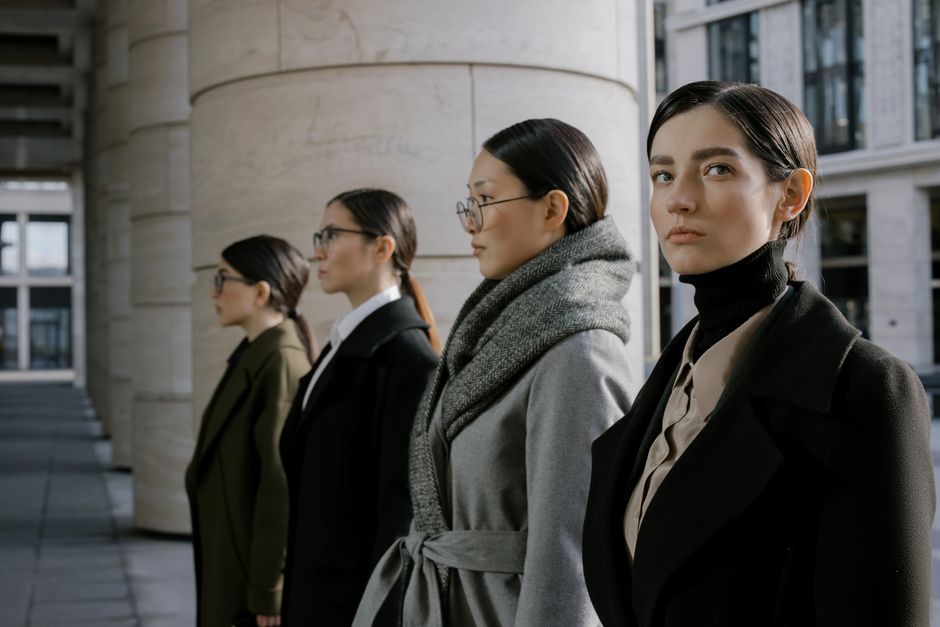
Structured knitwear has replaced the blazer in many creative offices. Think heavy-gauge wool or cashmere with exaggerated shoulders, ribbed textures, or asymmetric hems. These pieces project authority through volume and material, not tailoring.
Real examples that work
The JW Anderson oversized cable-knit (around $890) has a wide, rounded shoulder that mimics a blazer’s silhouette but feels like a sweater. The Khaite Margo cardigan ($1,150) uses dense wool with dropped shoulders and a wrap front — it looks intentional, not sloppy. For a lower price point, Cos sells a ribbed wool-blend wrap top ($135) that pairs with high-waisted trousers and reads as deliberate.
When to wear it
Client meetings in relaxed settings, internal presentations, studio reviews. Not appropriate for formal pitches to conservative clients (e.g., traditional finance or law firms).
Verdict
For a mid-level creative director who meets clients twice a week, a sculptural knit is the single best replacement for a blazer. It signals confidence without aggression.
2. The Deconstructed Jacket (Tailored But Unfinished)
Deconstructed jackets remove the internal structure — no padding, no canvas, no stiff lining. The fabric drapes like a shirt but cuts like a jacket. They look intentional and relaxed at the same time.
Brands like Rag & Bone and Acne Studios make unlined blazers in cotton-linen blends ($450–$700). Margaret Howell offers a deconstructed wool jacket ($650) with raw edges and soft shoulders. The key detail: the fabric holds shape without feeling rigid.
Wear it over a simple silk shell or fine-gauge turtleneck. Pair with straight-leg trousers or a midi skirt. It works for almost any creative meeting except a formal pitch.
3. The Structured Vest (No Sleeves, All Authority)

A tailored vest — sleeveless, high-armhole, often single-breasted — replaces the jacket entirely. It keeps the vertical line and formality of a blazer but removes the bulk. Your arms are free. You look sharp but not armored.
Two standout options: The Row’s wool vest ($1,490) in charcoal or black, cut close to the body. Toteme’s tailored vest ($590) in a wool-silk blend, with a slightly longer hem that works over trousers or a dress. Both read as expensive and intentional.
Best for: internal reviews, working lunches, and any situation where you need to move and gesture freely.
4. The Elevated Jumpsuit (One Piece, Full Presence)
A well-cut jumpsuit eliminates the coordination problem. No jacket, no trousers, no worrying about proportions. Just one strong silhouette. In creative industries, jumpsuits signal confidence because they’re harder to wear well.
Look for wide-leg cuts in substantial fabrics — crepe, wool, or linen blends. Roksanda’s sculpted jumpsuit ($1,200) has a defined waist and wide leg, suitable for client dinners. A.L.C.’s Harper jumpsuit ($495) in black crepe works for day meetings with a blazer on top. Ganni sells a cotton-linen version ($350) for warmer months.
The trade-off: bathroom breaks are inconvenient. But for a 3-hour event or presentation, a jumpsuit makes a stronger impression than a suit.
5. Wide-Leg Trousers + Statement Top (The New Uniform)
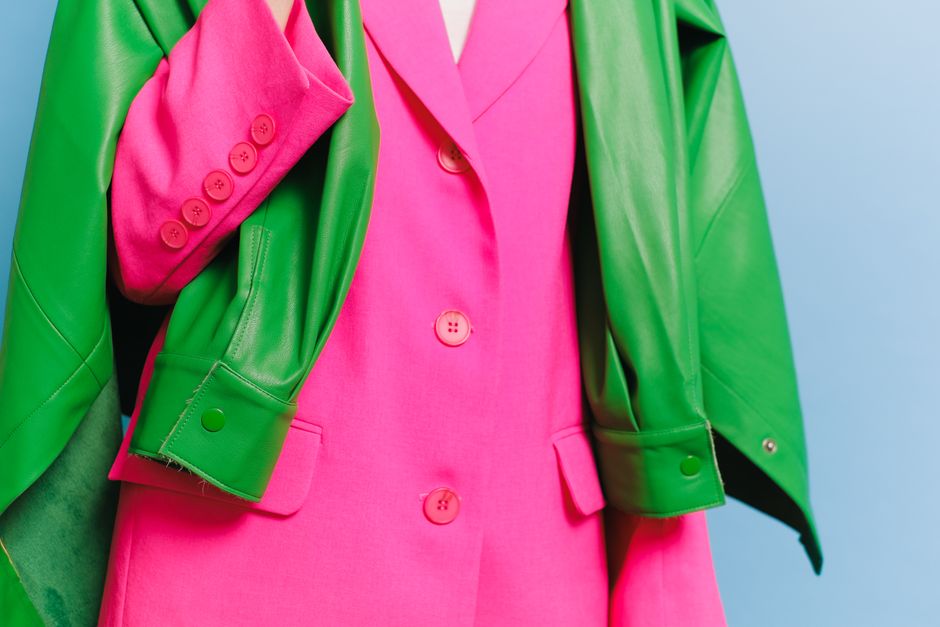
Creative women have largely abandoned the matching jacket. Instead, they pair wide-leg trousers with a top that has presence — a silk blouse with a dramatic collar, a draped top, or a structured shell. The trousers provide the formality. The top provides the personality.
St. Agni’s wide-leg trousers ($290) in linen or wool have a clean front and no pockets, keeping the silhouette sleek. Victoria Beckham’s silk shell top ($650) has a cowl neck that reads as elegant, not fussy. Everlane’s wide-leg pant ($128) in stretch wool offers a budget option that still looks tailored.
This combination works for 90% of creative meetings. It’s the most versatile alternative on this list.
6. The Duster Coat (Layered Authority)
A long, lightweight coat — open, unbuttoned — worn over a simple base layer creates a vertical line that’s more dramatic than a blazer. Dusters in silk, lightweight wool, or linen blend add movement. You walk into a room and the fabric follows you.
Toteme’s silk duster ($850) in cream or black is a cult item for a reason: it works over everything from jeans to dresses. Zara offers a wool-blend version ($129) that mimics the look at a fraction of the price. The key is length — mid-calf minimum.
Best for: presentations, gallery openings, and events where you want to make an entrance without trying hard.
| Alternative | Formality Level | Best For | Price Range |
|---|---|---|---|
| Sculptural knitwear | Medium | Client meetings, studio reviews | $135–$1,150 |
| Deconstructed jacket | High | Most meetings, formal pitches | $450–$700 |
| Structured vest | Medium-High | Internal reviews, working lunches | $590–$1,490 |
| Elevated jumpsuit | Medium | Client dinners, presentations | $350–$1,200 |
| Wide-leg trousers + top | Medium-High | 90% of creative meetings | $128–$650 |
| Duster coat | Medium | Presentations, events | $129–$850 |
7. The Structured Dress (One Piece, No Jacket Needed)
A dress with built-in structure — thick fabric, defined shoulders, a cinched waist — replaces the suit jacket entirely. Think shirting dresses in heavy cotton, or knit dresses with architectural seams. They read as intentional and don’t require layering.
The Row’s wool shirtdress ($2,490) is the gold standard: thick fabric, a defined collar, and a belt. Molly Goddard’s knit dress ($890) uses ribbed wool with exaggerated puff sleeves. H&M’s Conscious line offers a structured cotton dress ($89) that works for casual creative offices.
The risk: dresses can read as too feminine or informal in some contexts. Balance with minimal jewelry and flat shoes or low heels.
8. The Utilitarian Jumpsuit (Pockets and Purpose)
Different from the elevated jumpsuit. This version has pockets, a looser fit, and a workwear vibe. Think Carhartt but elevated — canvas or cotton twill, often in olive, khaki, or black. It signals that you are ready to work, not just to pose.
Carhartt WIP’s overall ($160) is the entry point. Rag & Bone’s utility jumpsuit ($495) upgrades the fabric to a softer twill with a more tailored cut. Stella McCartney’s organic cotton version ($890) adds a belt and wider leg.
Best for: studio work, site visits, or any day where you might be on your feet moving materials. Not for client meetings with traditional companies.
9. The Kaftan or Tunic (Bold, Rare, Effective)
This is the riskiest option, but it works in the right context. A silk kaftan or oversized tunic in a bold print or solid color, worn over slim trousers or leggings. It’s not a beach cover-up — it’s a deliberate statement piece. Think Dries Van Noten’s printed silk tunics ($1,200) or Marni’s oversized cotton kaftans ($850).
When it works: gallery openings, design presentations, or meetings with clients in the fashion or art world. When it fails: conservative corporate environments, legal or financial meetings.
The key is fabric quality. Cheap polyester kaftans look sloppy. Heavy silk or dense cotton reads as intentional.
Common Mistakes When Ditching the Suit
Switching from a suit to creative alternatives comes with pitfalls. Three to avoid:
- Going too casual: A sweater and jeans might be comfortable, but they don’t project authority. The alternatives above all maintain some structure or tailoring.
- Ignoring fabric quality: Cheap fabric ruins the effect. A $50 polyester jumpsuit looks like a costume. A $200 wool jumpsuit looks like a choice.
- Over-accessorizing: When your outfit is already bold, jewelry and bags should be minimal. Let the clothing do the work.
The future of creative workwear is not a uniform. It’s a system of intentional choices — texture, shape, and proportion — that communicate competence and originality at the same time. The nine alternatives above give you a starting point. Pick one that matches your industry, your body, and your meeting calendar. The old power suit had its moment. That moment is over.

Related Posts