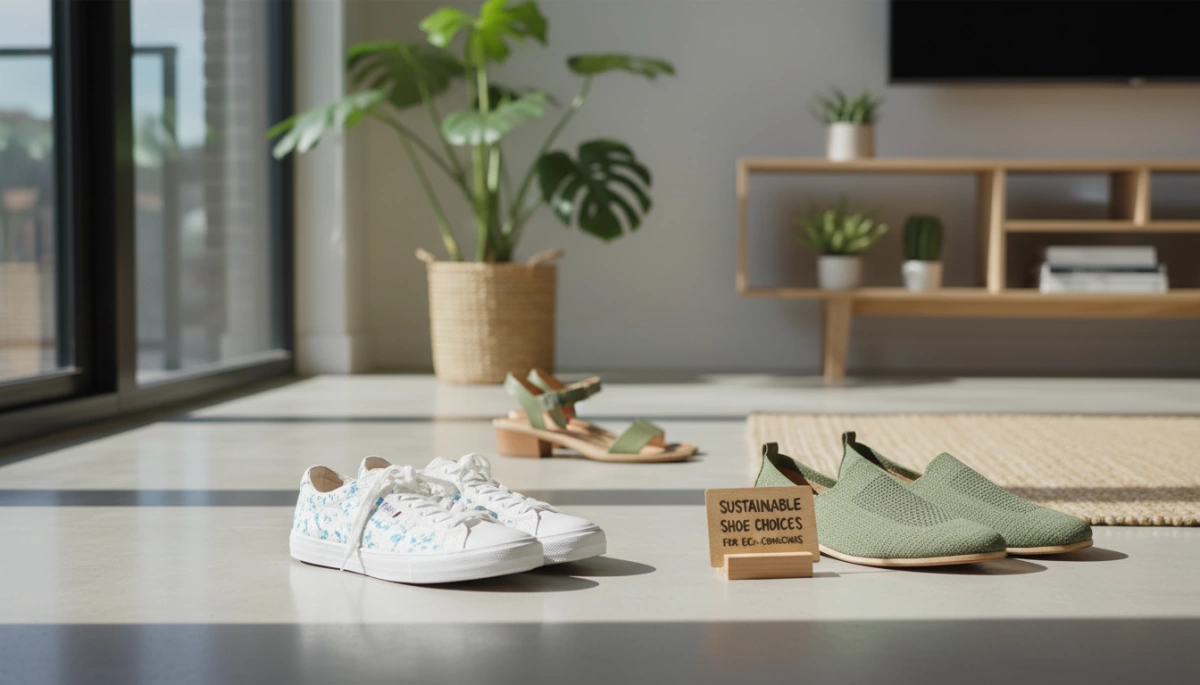
Conventional footwear often takes a heavy toll on the environment. From sourcing raw materials like leather and synthetic plastics to energy-intensive manufacturing and long transportation routes, traditional shoe production contributes significantly to pollution and greenhouse gas emissions. For example, synthetic shoes typically rely on non-renewable petroleum-based plastics, which don’t break down easily and add to landfill waste. Leather, while natural, involves high water usage and chemical tanning processes harmful to ecosystems.
Choosing sustainable shoes offers real climate benefits. Eco-friendly footwear made from recycled materials, organic cotton, or biodegradable soles helps reduce waste and conserve resources. These shoes often come from brands invested in carbon neutral practices or using renewable energy during production. Even selecting durable eco shoes encourages less frequent replacement, lowering overall environmental impact.
In short, sustainable shoe choices reduce pollution, save water, limit carbon emissions, and protect biodiversity. For the eco-conscious, switching to ethical shoe brands means your footwear supports a healthier planet—one step at a time.
Key Criteria for Choosing Sustainable Shoes
When picking sustainable shoes, focus on four main factors: materials, production ethics, certifications, and durability.
Materials: Look for eco-friendly footwear made from renewable or recycled materials like organic cotton, recycled plastics, or biodegradable soles. Avoid harmful plastics and chemicals that damage the environment.
Production Ethics: Choose brands committed to ethical labor practices, fair wages, and transparent supply chains. This ensures that the shoes are made responsibly without exploiting workers.
Certifications: Trusted green shoe certifications like GOTS, OEKO-TEX, Fair Trade, B Corp, FSC, and Climate Neutral give you peace of mind about a shoe’s sustainability claims.
Durability: Sustainable sneakers and shoes should last longer. Durable eco shoes reduce waste by decreasing the need for frequent replacements.
What Makes a Shoe Truly Sustainable?
Truly sustainable shoes go beyond looking eco-friendly—they’re made from renewable and recycled materials that reduce waste and environmental harm. Key materials include organic cotton, recycled polyester, and natural fibers like hemp or cork. These options help avoid the heavy impact of conventional materials, especially plastics that don’t break down.
A big part of sustainable footwear is steering clear of harmful plastics and toxic chemicals commonly used in shoe production. This means no PVC, phthalates, or harmful dyes that pollute waterways and soil. Instead, biodegradable soles and water-based adhesives make eco-friendly shoes safer for the planet.
Durability also matters—choosing repairable shoes helps extend their life, cutting down on landfill. Brands focusing on these factors create low impact sneakers and other styles that balance style with a lighter carbon footprint.
Ethical Labor and Fair Wages
Choosing sustainable shoes isn’t just about eco-friendly materials—it’s also about supporting ethical shoe brands that prioritize fair labor practices. Sustainable footwear should come from transparent supply chains where workers receive fair wages and work in safe conditions. Brands committed to ethical labor often provide detailed information about their manufacturing processes, helping you trust that your shoes are made responsibly.
Many eco-conscious brands also invest in carbon offsetting to balance the environmental footprint of production and shipping. This means they actively reduce emissions or contribute to projects like reforestation, making your shoe choice better for the planet and the people involved. When shopping for sustainable sneakers, look for companies that highlight fair manufacturing practices alongside using recycled materials or organic fabrics—these are often the brands leading the way in holistic sustainability.
Certifications to Trust for Sustainable Shoes
When choosing sustainable shoes, certifications are your best friend. They ensure you’re picking eco-friendly footwear that truly meets high environmental and ethical standards. Look out for these trusted certifications:
GOTS (Global Organic Textile Standard): Guarantees organic cotton footwear made without harmful chemicals.
OEKO-TEX: Confirms shoes are free from toxic substances harmful to you and the planet.
Fair Trade: Supports fair wages and safe working conditions in the shoe supply chain.
B Corp: Shows a brand meets strict social and environmental performance standards.
FSC (Forest Stewardship Council): Assures that any wood or leather component comes from responsibly managed forests.
Climate Neutral: Highlights brands offsetting their carbon footprint fully, making your shoes carbon neutral.
Choosing shoes with these certifications means you support sustainable sneakers and durable eco shoes made ethically and responsibly. For an added boost in sustainability guidance, check out tips on how to dress with confidence in an eco-friendly way for your whole wardrobe.
Top Sustainable Shoe Categories and Recommendations
When it comes to sustainable shoe choices, various categories cater to different needs—everyday sneakers, boots, and sandals are all available from credible, certified brands. Here’s a quick look at key options:
Category
Features
Recommended Brands
Key Certifications
Everyday Sneakers
Made with recycled materials, organic cotton, biodegradable soles
These brands and models blend style and sustainability without compromising durability or ethics. For a deeper dive into eco-friendly sandal options, check out detailed insights on sustainable summer sandals to stay comfortable and conscious.
Choosing certified shoes like these helps ensure you get genuine eco-friendly footwear, avoiding greenwashing and supporting ethical production. Whether you want low impact sneakers or fair trade boots, starting with certified brands is a solid path to responsible shoe shopping.
How to Evaluate Vegan and Cruelty-Free Options
Choosing vegan sustainable shoes means opting for footwear made without animal products, but not all vegan shoes are equally eco-friendly or durable. Here’s how to spot good options:
Renewable, lower environmental impact than synthetic or animal leather
Durability
Sturdy construction, quality stitching, thick soles
Longer-lasting shoes mean less landfill waste and better value
Repair programs
Brands offering free or low-cost repairs
Extends shoe lifespan, reduces consumption
Avoid harmful plastics
Minimal use of synthetic plastics or harmful chemicals
Reduces microplastic pollution and toxic waste
Look for certifications and transparency about materials to ensure the shoes are genuinely eco-conscious. Vendors who promote repair or replacement services often show commitment beyond just selling vegan footwear.
Common Challenges and How to Overcome Them
Choosing sustainable shoes isn’t always straightforward. Many people find it tricky to balance style, price, and eco-friendliness without compromise. Here’s how to tackle those common hurdles:
Balancing Style and Sustainability: It’s easy to think sustainable sneakers or eco-friendly footwear might be bland or boring. However, many ethical shoe brands now design trendy, durable eco shoes that fit everyday fashion. Look for brands that blend recycled materials shoes and organic cotton footwear with modern styles to keep your look fresh.
Price vs. Value: Sustainable shoes often come with a higher upfront cost due to ethical labor and quality materials. Instead of focusing solely on price, consider durability and repairable shoes as investments. They last longer, reducing overall waste and saving money in the long run.
Avoiding Greenwashing: Not every shoe brand claiming to be “green” truly meets the mark. To avoid greenwashing, check for trusted green shoe certifications like B Corp, Fair Trade, or Climate Neutral labels. These guarantees ensure transparency and real commitment to sustainability, helping you choose carbon neutral shoes over less responsible options.
By staying informed and focusing on key eco-conscious details, you can confidently select low impact sneakers and other footwear that match your personal style and your environmental values.
Maintenance Tips to Extend Shoe Lifespan
Taking good care of your sustainable shoes is key to getting the most value out of them while reducing waste. Here’s how to keep your eco-friendly footwear in top shape:
Proper Cleaning: Use mild soap and a soft brush or cloth to clean dirt gently. Avoid harsh chemicals that can damage materials like organic cotton or biodegradable soles. For vegan sustainable shoes, wipe regularly to prevent buildup without soaking them.
Storage: Store shoes in a dry, cool place away from direct sunlight to prevent fading or warping. Use shoe trees or stuff shoes with recycled paper to maintain their shape over time.
Repairs: Favor repairable shoes and get them fixed promptly if soles wear out or seams loosen. Many ethical shoe brands offer repair programs or guides, which extend the life of your footwear and keep them out of landfills.
Budgeting: Invest in higher-quality sustainable sneakers or boots that are durable eco shoes. They cost more upfront but save money and waste long-term. Consider this a smart spend for sustainability and style.
Recycling and Responsible Disposal
When your sustainable shoes reach the end of their life, recycling and responsible disposal are key to minimizing environmental impact. Many eco-friendly footwear brands now offer take-back initiatives where you can return worn-out shoes for proper recycling or repurposing. This helps keep materials like recycled soles and organic cotton out of landfills and supports circular fashion.
If a take-back program isn’t available, look for local shoe recycling options or specialized drop-off points for recycled materials shoes. Avoid tossing shoes in the trash since many conventional shoes contain plastics and chemicals that harm the environment.
By choosing durable eco shoes in the first place and properly recycling them after use, you contribute to a system that values biodegradable soles and reclaimed materials. This cycle is essential for an eco-conscious lifestyle and moves the footwear industry toward zero waste.
For tips on extending your shoe’s life before recycling, check out our advice on proper care and repairs to keep your sustainable sneakers going longer. This way, you maximize your investment in high-quality, ethical footwear without unnecessary waste.
Supporting Industry Change Beyond Buying
Choosing sustainable shoes is a great start, but real change happens when we go beyond just purchasing choices. Supporting carbon offsetting initiatives helps balance out the emissions from shoe production and transportation. Many ethical shoe brands now invest in carbon neutral shoes efforts, ensuring their footprint is minimized or compensated for.
Regenerative agriculture is also gaining attention as a way to improve raw materials like organic cotton and natural rubber by restoring soil health and biodiversity. This approach supports eco-friendly footwear production on a deeper level.
Finally, transparency in the supply chain is key. When brands openly share their sourcing, labor practices, and environmental impact, it’s easier for us to make informed decisions and hold the industry accountable.
Taking these steps alongside buying durable, repairable shoes creates a lasting impact that goes beyond just your closet. For more on practical sustainable lifestyle choices, check out these spring trends brightly coloured that include other eco-conscious tips.
Taking Action: Small Steps to Upgrade Your Footwear Responsibly
Making sustainable shoe choices doesn’t have to be overwhelming. Start by swapping out one pair for eco-friendly footwear made with recycled materials or organic fabrics. Look for durable eco shoes that last longer, saving you money and waste in the long run. Supporting ethical shoe brands with transparent supply chains and fair labor practices encourages the industry to do better.
Here are quick actions you can take today:
Choose shoes certified by trusted labels like B Corp or Fair Trade to ensure genuine sustainability.
Explore vegan sustainable shoes crafted from plant-based materials that avoid animal harm.
Repair and maintain your shoes to extend their lifespan instead of replacing them frequently.
Stay aware of greenwashing by researching brand practices rather than just marketing claims.
Remember, every choice counts in moving towards a greener, fairer footwear industry.