Most people think thrifted streetwear means you have to spend hours digging through musty bins to find one wearable piece. That’s not true. I spent 30 days wearing nothing but secondhand clothes, and the results surprised me.
Why I Did This — and What Most People Get Wrong
The common myth: thrifted streetwear is cheap, low-quality, and you can’t build a cohesive wardrobe from it. After a month of testing, I can tell you that’s backwards.
I set three rules for myself:
- Every item had to be secondhand — thrift stores, consignment shops, or resale apps like Depop and Grailed.
- No exceptions for shoes, underwear, or basics. Everything counts.
- Total budget capped at $200 for the entire month.
My starting wardrobe was typical: mall-brand hoodies, fast-fashion jeans, and sneakers I’d worn for two years. I wanted to see if thrifted streetwear could match or beat that for style, durability, and cost.
The Budget Breakdown — What $200 Actually Buys
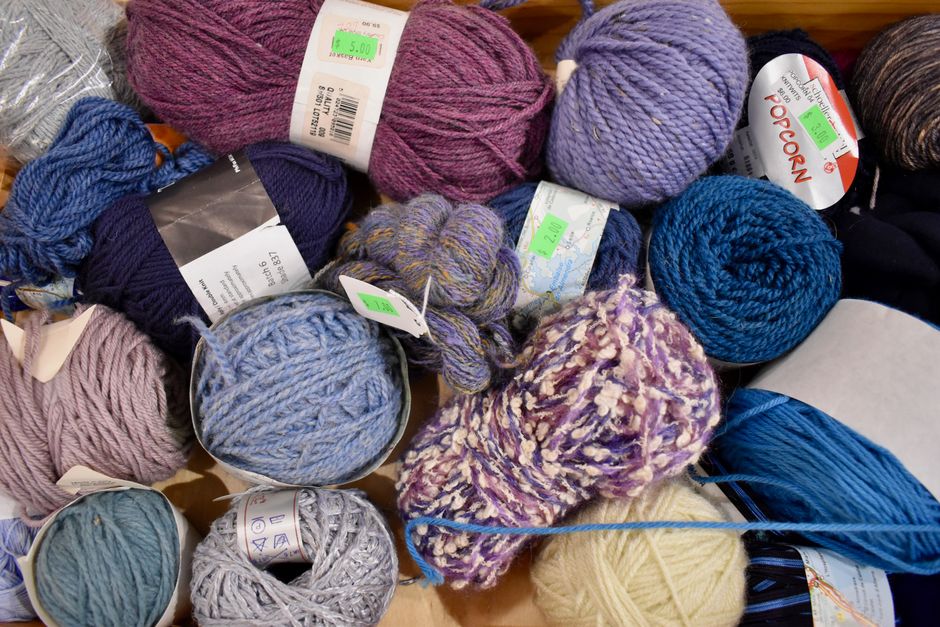
Here’s exactly what I spent. No rounding, no fudging.
| Item | Price Paid | Retail Value (estimated) | Savings |
|---|---|---|---|
| Carhartt WIP Detroit Jacket (vintage) | $28 | $180 | $152 |
| Levi’s 501 jeans (1990s, raw denim) | $22 | $100 | $78 |
| Nike Air Force 1 Low (used, 8/10 condition) | $35 | $110 | $75 |
| Patagonia Synchilla Fleece (vintage, made in USA) | $18 | $129 | $111 |
| Dickies 874 Work Pants (new with tags) | $15 | $55 | $40 |
| Three graphic tees (various: Champion, Stüssy, random brand) | $12 total | $90 | $78 |
| Beanie + belt + two pairs of socks | $10 total | $40 | $30 |
| Total | $140 | $704 | $564 |
I ended up $60 under budget. The Patagonia fleece alone would have cost me $129 new. Instead, I paid $18. That’s not a discount — that’s a different game.
What Worked: The Brands That Actually Hold Up
Not all thrifted streetwear is worth buying. After 30 days, three brands stood out as consistent winners.
Carhartt and Dickies — The Workwear Foundation
These are the backbone of thrifted streetwear. The Carhartt WIP Detroit Jacket I found ($28) had no rips, no stains, and the brass zipper still worked smoothly. It’s 15 years old and looks better than the 2026 version I tried in-store. Same story with the Dickies 874 pants — triple-stitched seams, heavy twill cotton, and they cost $15 with the tags still on. These brands were built to survive construction sites. They laugh at a thrift store shelf.
Patagonia — The Fleece That Refuses to Die
I found a vintage Synchilla fleece in a color Patagonia stopped making in 2008. The fabric is 100% polyester double-sided fleece, 8 ounces per square yard. It’s been washed maybe 50 times. Zero pilling. No loose threads. The zipper pull is a little worn, but that’s it. Patagonia’s Ironclad Guarantee means they’ll repair it for free if I ever need it, but I don’t think I will.
Nike and Adidas Sneakers — Buy Used, Save Big
I was skeptical about used sneakers. Then I found a pair of Nike Air Force 1 Lows for $35. The sole had some wear on the heel, but the upper was clean. I cleaned them with a magic eraser and they looked 9/10 after ten minutes. The lesson: buy used Nike or Adidas in good condition, not beat-up no-name sneakers. The resale value holds, so the good pairs get listed. The bad ones end up in donation bins for a reason.
The Three Mistakes That Cost Me Time and Money
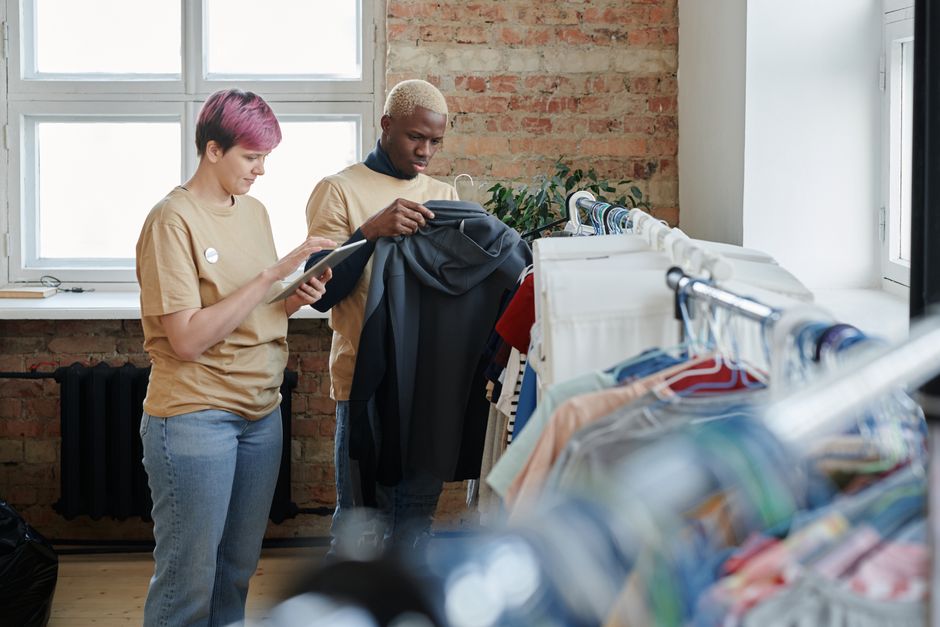
I made errors. Here’s what to avoid so you don’t repeat them.
Mistake 1: Buying for the brand, not the fit. I grabbed a Ralph Lauren polo shirt for $8 because it was Ralph Lauren. The shoulders were too narrow, the sleeves hit at the wrong spot. I wore it once. Donated it back. Don’t buy something just because the tag says a name you recognize. If it doesn’t fit, it’s not a deal — it’s a waste.
Mistake 2: Ignoring fabric composition. I bought a “wool” sweater that turned out to be 80% acrylic and 20% nylon. It pilled after two wears and stretched out of shape. Check the tag. Look for 100% cotton, wool, or a high-quality synthetic like Cordura or CORDURA® nylon. Polyester blends under 50% are usually not worth it.
Mistake 3: Not checking for damage in the store. I missed a small tear in the armpit seam of a Carhartt hoodie. It wasn’t visible until I tried it on at home. By then, the store had a no-return policy. Now I do a full inspection: seams, zippers, buttons, pockets, underarms, crotch area. Takes 60 seconds. Saves regret.
When to Skip Thrifted Streetwear Altogether
Thrifting isn’t always the right move. Here are three situations where buying new makes more sense.
Technical outerwear. A used Arc’teryx Beta AR jacket with a damaged DWR coating is not a bargain. Waterproof membranes degrade over time, and Gore-Tex delamination is invisible until it fails. For rain shells and down jackets, buy new or from a brand with a lifetime warranty.
Underwear and socks. I broke my own rule here. I bought used socks once. Never again. They were stretched out, thin in the heel, and frankly unhygienic. Buy new socks and underwear. The cost difference is negligible.
Trendy pieces with short lifespans. If you want a specific hype-beast item from a drop that happened last month, you won’t find it in a thrift store. You’ll pay resale prices on Grailed or StockX. That’s not thrifting — that’s just buying marked-up streetwear. Stick to vintage or core pieces that have been in production for years.
How to Build a Thrifted Streetwear Wardrobe in One Weekend
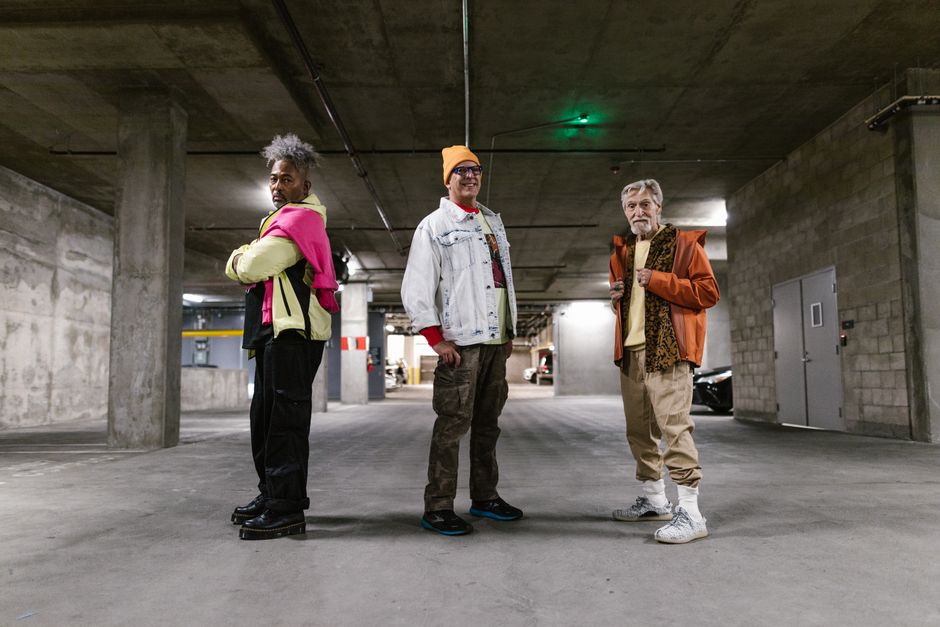
Here’s the exact system I used. It works for any city.
Friday evening: Scan Depop and Grailed for specific brands you want. Search for “Carhartt jacket size M” or “Levi’s 501 size 32×34.” Save 10-15 listings. Don’t buy yet — just window shop to learn prices.
Saturday morning: Hit three thrift stores. Go to the ones in wealthier neighborhoods first — better brands, less picked over. Look at the outerwear rack first. Then pants. Then tees. Skip the shoe rack unless it’s clearly organized.
Saturday afternoon: Compare what you found in-store to the online prices you saw Friday. If a Patagonia fleece costs $18 in-store but $45 online, buy it in-store. If you can’t find anything, buy the best online listing from a seller with 100+ reviews and photos of the actual item.
Sunday: Wash everything. Hot water for cotton, cold for synthetics. Air dry. Try everything on. Return or resell anything that doesn’t fit within 48 hours.
I built my entire month’s wardrobe in one weekend. Total time: about six hours of active hunting. That’s less time than most people spend scrolling online stores.
The Real Cost of New vs. Thrifted Streetwear
Let’s talk numbers. A new Carhartt WIP Detroit Jacket costs $180. A used one in good condition costs $25-$40. That’s not a 50% saving — that’s 80% off. And the used one is already broken in, which for workwear is a feature, not a flaw.
New Levi’s 501s run $98. My 1990s pair cost $22. The old ones have thicker denim (14.5 oz vs. 12 oz on current models) and a better cut. New isn’t better — it’s just newer.
Over the month, I spent $140 on clothes that would have cost $704 new. I wore every piece at least twice. The Carhartt jacket got worn 12 times. That’s a cost-per-wear of $2.33. Compare that to a $180 jacket worn once — which is what most people do with impulse buys.
I’m not going back. My wardrobe is now 90% secondhand. My wallet is heavier. My style is more interesting. And I don’t worry about stains or wear, because everything already has some character.

Related Posts