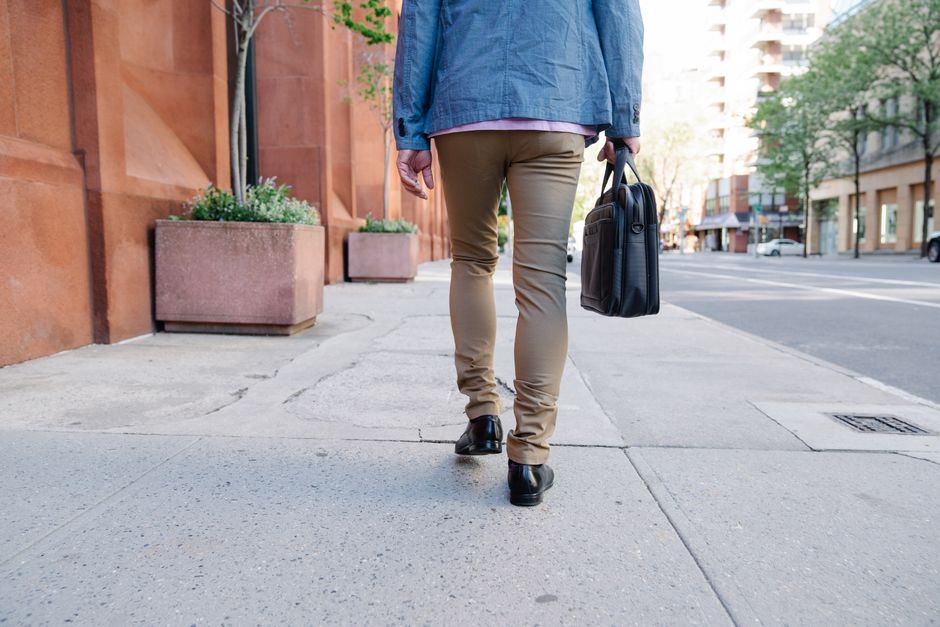
You have the resume. You have the answers. But you’re standing in front of your closet at 7:23 AM, and nothing looks right. The blazer puckers at the shoulders. The shirt is wrinkled despite being hung up overnight. The pants feel either too loose or too tight — neither inspires confidence.
Here’s the truth: your interview outfit won’t get you the job. But a bad one can lose it. I’ve sat on hiring panels where a candidate was mentally eliminated in the first 30 seconds because of what they wore. Not because the clothes were ugly — because they signaled poor judgment, discomfort, or a complete mismatch for the company culture.
This isn’t about spending $800 on a suit. It’s about understanding seven rules that separate “dressed” from “dressed for the role.” Let’s go.
Rule #1: Fit Over Fabric, Fabric Over Brand
Most people buy the wrong size. They think a 40R blazer is their size because that’s what they’ve always worn. Then they wonder why the sleeves bunch and the chest pulls when they sit down.
Fit is non-negotiable. The shoulders of your blazer should end exactly at your shoulder bone — not hang over, not pinch inward. The shirt collar should allow two fingers to slip in without choking. Pants should break once on your shoes, not pool around your ankles.
Once fit is right, fabric matters. Wool blends (like the J.Crew Ludlow suit in stretch wool, $495) breathe better than polyester and hold a crease after four hours of sitting. A cheap polyester blazer wrinkles in the car ride over. A wool-cotton blend resists that.
Brand only matters if the brand’s cut fits your body. A $1,200 Canali suit is worthless if it’s cut for a 6’2″ frame and you’re 5’7″. Uniqlo’s $79.90 blazer in the right size will look better than an Armani that’s too big.
Verdict: Spend your budget on tailoring, not labels. A $200 suit with $80 of alterations beats a $500 suit off the rack.
Rule #2: The Color That Commands Respect (Without Screaming)
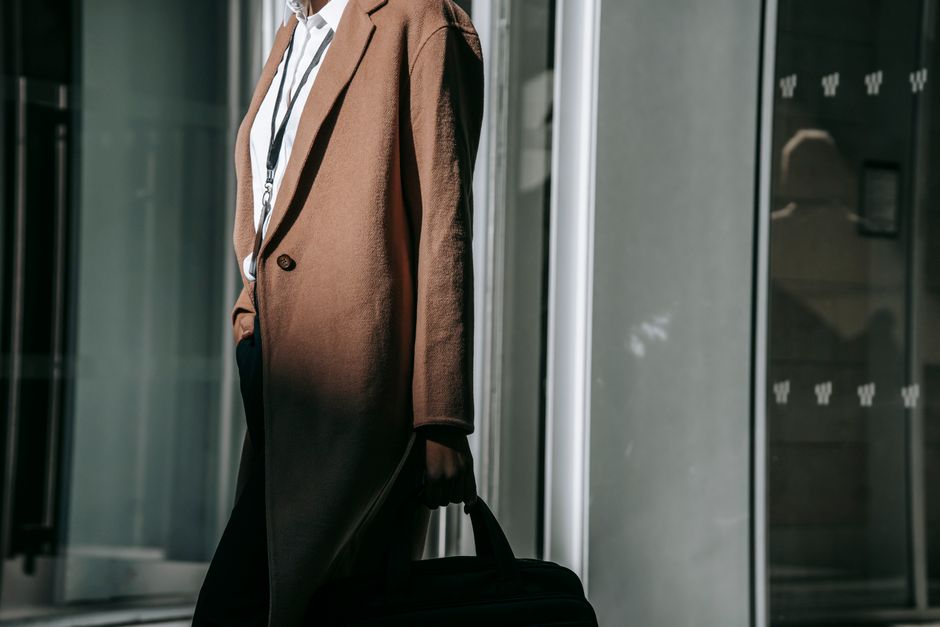
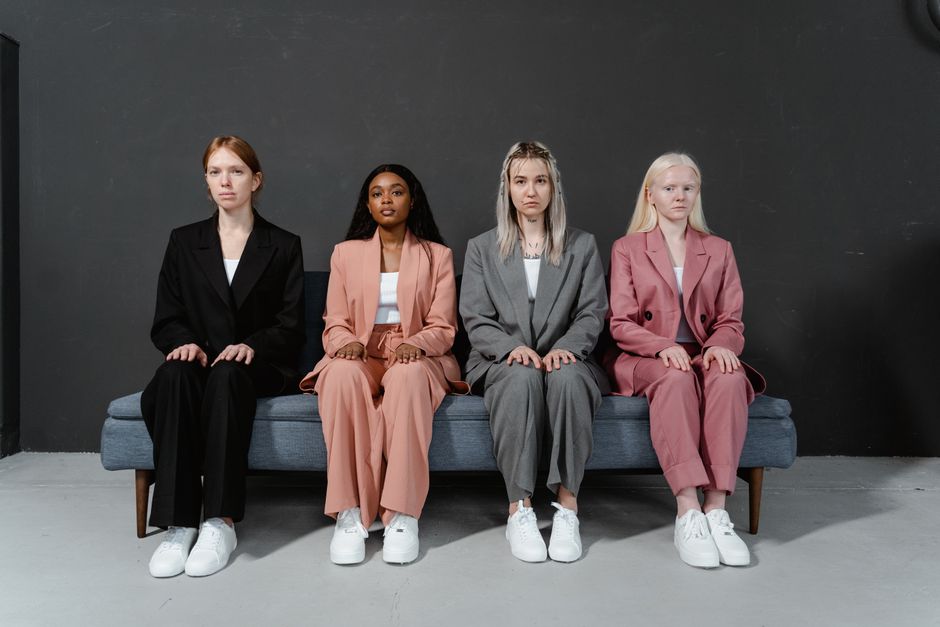
Navy. Charcoal. Dark gray. That’s your palette for the primary pieces.
Black is too severe for most interviews — it reads as funereal or nightclub, depending on the cut. Brown is too casual unless you’re interviewing at a startup that explicitly says “come as you are.” Light gray is fine for creative fields but can read as underdressed in conservative industries like law or finance.
Navy is the safest choice. It signals competence without aggression. Charcoal gray is authoritative — perfect for management roles. Both pair with a white or light blue shirt and a tie or scarf in a complementary tone.
For women, the same rules apply. A navy sheath dress (like the MM.LaFleur Bosen dress, $295) with a structured blazer in charcoal works for consulting, law, or tech management. A cream silk blouse under a navy blazer is universally appropriate.
One exception: creative roles. If you’re interviewing at a design agency or a media company, you can introduce one color accent — a burgundy blazer, a forest green top. But keep it to one piece. Don’t go full peacock.
Rule #3: Shoes Are the First Thing They Notice (And the Last Thing You Think About)
Interviewers look at your shoes. I don’t know why. But they do. Scuffed, worn-out shoes tell a story of neglect. Shiny, brand-new shoes tell a story of panic shopping.
The sweet spot: clean, polished, broken-in shoes that fit the formality level of the outfit.
For men: Oxford shoes in black or dark brown are the standard. The Allen Edmonds Park Avenue ($425) is the gold standard — recraftable, comfortable after a week of wear, and appropriate with any suit. If that’s out of budget, the Johnston & Murphy Conard Cap Toe ($175) is a solid alternative. Avoid loafers unless the interview is at a casual startup. Avoid anything with a rubber sole that squeaks on tile floors.
For women: Closed-toe pumps with a 2-3 inch heel are the default. The Cole Haan Grand Ambition pump ($150) has a hidden Nike Air sole — comfortable for walking and standing. Flats work if they’re pointed-toe and leather (like the Rothys Point, $165). Avoid peep-toes, stilettos, or anything that makes noise when you walk.
Failure mode: Wearing brand-new shoes to the interview. Your feet will hurt, you’ll walk stiffly, and the soles will look untouched. Break them in for at least three days before.
Rule #4: The Interview Outfit Fabric Failure Table
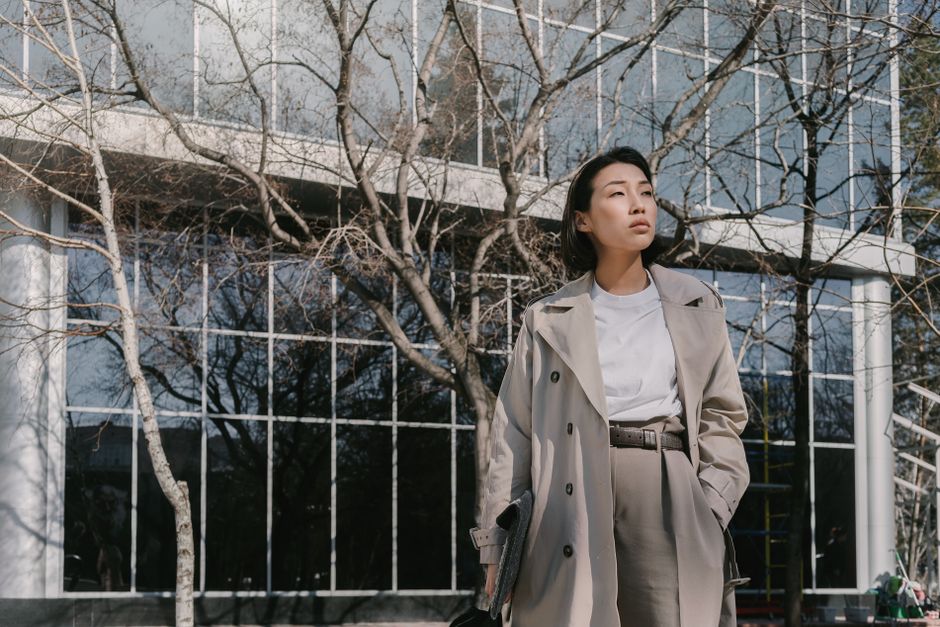
Fabric choice determines whether you look professional at 9 AM or disheveled by 11. Here’s the breakdown:
| Fabric | Best For | Worst For | Price Range (Blazer) | Wrinkle Resistance |
|---|---|---|---|---|
| Wool (worsted) | Suits, trousers | Summer heat | $150–$600 | Excellent — holds crease |
| Cotton (oxford cloth) | Button-down shirts | Formal suits | $40–$120 | Moderate — wrinkles easily |
| Linen | Creative roles, hot weather | Conservative interviews | $80–$250 | Poor — wrinkles on sight |
| Polyester blend | Budget suits, travel | Long interviews, hot rooms | $50–$150 | Good — but doesn’t breathe |
| Silk | Blouses, scarves | Full suits | $100–$400 | Excellent — drapes well |
Key takeaway: For a 2-hour interview in a climate-controlled office, a wool-cotton blend is the ideal balance. It breathes, resists wrinkles, and looks structured without being stiff.
Rule #5: Accessories That Add Authority (Not Noise)
Accessories in an interview serve one purpose: to complete the outfit without drawing attention to themselves.
A leather belt that matches your shoes — not approximately, exactly. Black shoes, black belt. Brown shoes, brown belt. The Timex Weekender watch ($45) with a leather band is better than a smartwatch that buzzes mid-sentence.
For men: a tie should be silk, with a simple pattern (small dots, stripes, or solid). Knot it so the tip hits your belt buckle — no higher, no lower. The Tie Bar has solid silk ties for $25. Skip the pocket square unless you know exactly what you’re doing.
For women: a structured tote bag (like the Everlane The Form Bag, $168) in leather or faux leather. It holds your resume, a notebook, and a pen without looking like a gym bag. One piece of jewelry — stud earrings or a simple necklace — is enough. A scarf in a solid color adds polish without fuss.
Mistake to avoid: Wearing anything that makes noise. Jangling bracelets, clunky necklaces, keys on a carabiner. Sound is distracting. Silence is professional.
Rule #6: The One-Outfit Test — Does It Survive a Full Day?
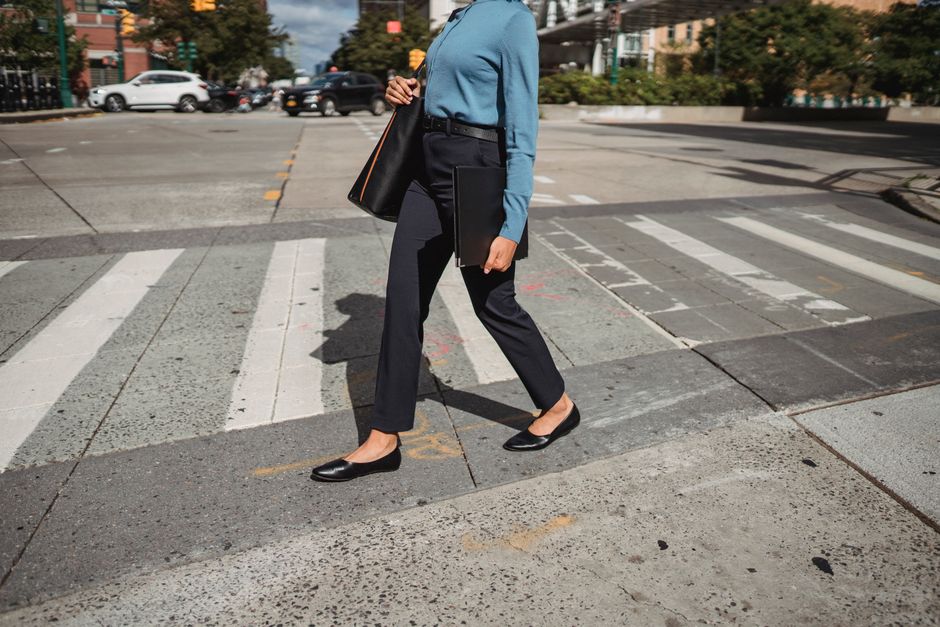
Most interviews aren’t 30 minutes. They’re half-day affairs — a morning interview, a lunch with the team, a tour of the office, a second round with a senior leader. Your outfit needs to look as good at 2 PM as it did at 9 AM.
Here’s the test: wear the full outfit for 4 hours at home. Sit in a chair. Stand up. Walk around. Sit again. Check for wrinkles, pulling, or discomfort.
What fails this test:
- A shirt that pulls at the buttons when you sit (you need a size up or a different cut)
- Pants that slide down when you stand (wear a belt, or get them taken in at the waist)
- Shoes that pinch after 90 minutes (break them in or swap them)
- A blazer that restricts arm movement when shaking hands (the armholes are too tight)
If any of these happen, fix it before interview day. Don’t rely on “I’ll just stand still.” You won’t. You’ll walk, gesture, sit, and stand multiple times. The outfit must move with you.
Pro tip: If you’re flying to the interview, pack your suit in a garment bag and hang it in the hotel bathroom while you shower. The steam releases wrinkles without ironing. The Travelpro Garment Bag ($99) folds small enough for carry-on and keeps suits wrinkle-free.
Rule #7: When to Break Every Rule Above
Rules exist for a reason. But they also exist to be broken — intentionally, not accidentally.
Break the rules when the company culture explicitly tells you to. If the recruiter says “we’re casual, come as you are,” don’t show up in a three-piece suit. You’ll look like you didn’t listen. Instead, wear a blazer with dark jeans (dark wash, no rips) and a collared shirt. The Levi’s 511 Commuter jeans ($68) in black or dark indigo work well — they look polished without being formal.
Break the rules when the role demands it. A creative director at a fashion brand should show more personal style than a tax accountant. A startup engineer can wear a clean t-shirt and a bomber jacket. But even then, the clothes should be clean, fit well, and show that you made an effort.
When NOT to break the rules: When you’re unsure. If you don’t know the culture, default to conservative. It’s easier to dress down in a second interview than to recover from showing up underdressed.
The goal isn’t to look like you’re wearing a costume. It’s to look like you belong in the room — and that you respect the opportunity enough to have thought about it.

Related Posts