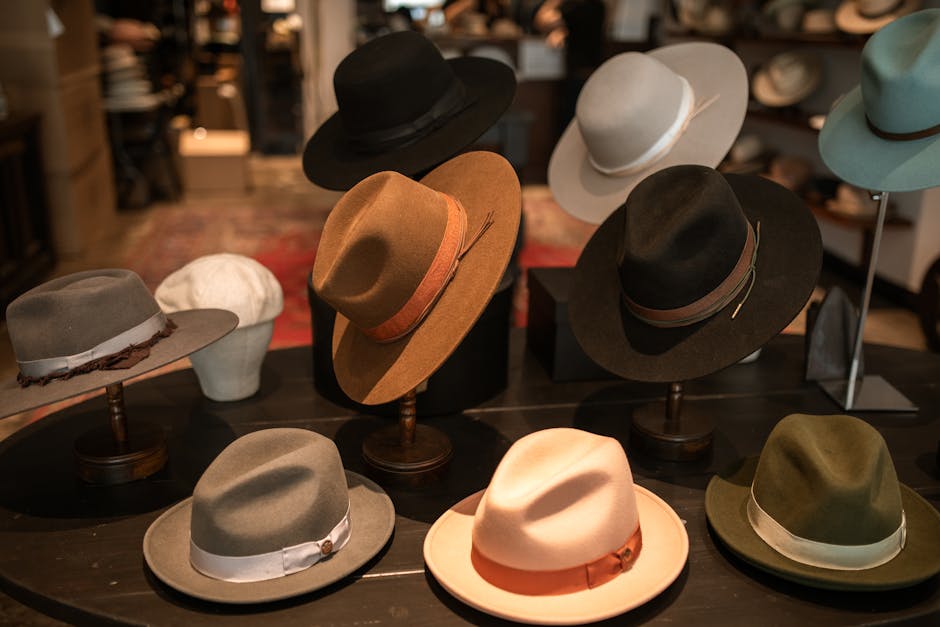
Did you know that the phrase “mad as a hatter” originated from a tragic reality where 18th and 19th-century milliners developed neurological tremors due to chronic mercury exposure during the felt-curing process? While the history of headwear is occasionally somber, the linguistic evolution of the hat has skewed heavily toward the comedic. Statistically, prop-based humor involving hats remains a staple in stand-up comedy and social media memes because the hat is the most visible extension of a person’s public identity. It sits at the literal apex of our physical presence, making it the perfect target for puns, observational wit, and social commentary. To understand why we laugh at hats is to understand how we perceive status, utility, and fashion itself. In the modern era, a hat is rarely a requirement for entry into a social space, which transforms it into a deliberate statement—and every statement is an opening for a punchline.
The Linguistic Mechanics of the Best Hat Jokes
To analyze why certain jokes regarding headwear resonate more than others, we must look at the concept of linguistic “capping.” In humor theory, the best hat jokes often rely on the “Incongruity Theory,” where the expectation of a serious fashion choice is subverted by a literal interpretation of the object’s function. The most famous example—the “I’ll go on ahead” pun—works because it bridges the gap between a physical action and a stationary object. It is a foundational piece of wordplay that has survived centuries of fashion cycles. Furthermore, the hat serves as a metonym for the brain or the mind. When we joke about a hat, we are often making a peripheral joke about the intelligence or the intentions of the person beneath it.
Beyond simple puns, hat humor often explores the social semiotics of the wearer. For instance, the transition of the fedora from a symbol of mid-century masculinity to a contemporary internet meme involves a complex interplay of nostalgia and social awkwardness. Researchers of digital culture note that the “m’lady” trope is essentially a long-form hat joke that critiques the performative nature of certain fashion choices. When we tell a joke about a fedora today, we aren’t just talking about felt and ribbon; we are referencing a specific cultural archetype. This depth is what gives hat-based humor its staying power. It allows us to process the shifting sands of “cool” through the lens of shared laughter, ensuring that even the most outdated styles remain relevant as comedic touchstones.
The Taxonomy of Headwear Wordplay
If we categorize the most effective jokes, we find they generally fall into three distinct buckets: functional subversion, situational irony, and pure phonetic puns. Functional subversion involves jokes where the hat fails to do its job—like a somber joke about a man whose hat was so large it had its own zip code. Situational irony often targets the high-fashion world, where the absurdity of a price tag becomes the punchline. Phonetic puns, while often dismissed as “dad jokes,” remain the most frequently shared category of hat humor globally due to their accessibility across different age groups. This accessibility is key; a good hat joke doesn’t require a degree in fashion history, just a basic understanding of how objects interact with the human form.
Humor is the shock absorber of life; in fashion, a well-timed hat joke is the shock absorber for an experimental outfit that didn’t quite land.
A Curated Collection of Best Hat Jokes for Every Occasion

When searching for the best hat jokes, one must distinguish between the “quick-fire” pun and the situational narrative. In the professional millinery world, jokes often revolve around the meticulous nature of the craft. For example: “Why did the hat maker get promoted? Because he was always ahead of the curve.” This joke functions on two levels—referencing the physical shaping of a brim and the business acumen of the individual. It is simple, effective, and reinforces the expertise required in the trade. In high-end retail environments, such as those found on Farfetch or other Awin-affiliated luxury platforms, the “seriousness” of a $500 headpiece is often balanced by the staff’s ability to keep the atmosphere light through professional wit.
Then there is the category of seasonal humor. Beanie jokes often focus on the irony of wearing them indoors or during the summer, a trend that has puzzled fashion critics for decades. A classic in this vein: “What did the beanie say to the scarf? You hang around, I’ll go on ahead.” While it mirrors the classic hat pun, the specific mention of the beanie grounds it in modern street style. This adaptability is why these jokes remain relevant in 2024, as different hat styles cycle in and out of the cultural zeitgeist. Whether it is a bucket hat at a music festival or a toque in a blizzard, the context provides the comedic fuel.
Top-Rated Hat Puns and One-Liners
- The Classic: What do you call a hat that can tell the future? A “fore-shadow.”
- The Professional: Why don’t hats ever get lost? Because they are always on someone’s mind.
- The Magician’s Choice: A man walks into a hat shop and asks for a hat that fits his personality. The clerk hands him a top hat and says, “Here, this is for someone with high standards.”
- The Winter Special: Why was the bobble hat so happy? It just wanted to keep its head up.
- The Cowboy Logic: What did the cowboy say when his hat blew away? “Hats off to the wind!”
- The Culinary Twist: What kind of hat does a chef wear when he’s in a hurry? A fast-food cap.
- The Architectural Pun: Why did the building wear a hat? Because it had a roof leak.
- The Religious Observation: Why did the monk refuse to wear a hat? He didn’t want to cover his “holy” ground.
The effectiveness of these jokes often depends on the delivery and the context of the wearer’s own style. In a world where fashion can often take itself too seriously, being able to deploy a self-deprecating hat joke can humanize a high-fashion look. It signals that the wearer is aware of the artifice of their outfit, creating a bridge between the avant-garde and the everyday observer. If you are sporting a particularly bold piece from a retail giant like ASOS, a quick joke can deflect any potential fashion police and show that you are in on the fun.
The Historical Context of Humor in Millinery
Historically, the hat was a mandatory component of public life, which meant that the humor surrounding it was often more biting and class-conscious than it is today. In the 19th century, the “Stovepipe” hat was a frequent target of political cartoonists, who used the height of the hat to represent the inflated egos of politicians. The jokes weren’t just for laughs; they were tools of social critique. When we look at the best hat jokes from the Victorian era, they often involve the physical comedy of a gust of wind removing a gentleman’s dignity along with his headwear. The loss of a hat was the loss of one’s social standing, making the event both tragic and hilarious to onlookers.
As we moved into the 20th century, the rise of the “Dad Hat”—the unstructured baseball cap—breathed new life into the genre. The dad hat is the natural habitat of the dad joke. This synergy has created a feedback loop where the hat itself becomes a canvas for the joke. In 2024, we see a massive trend in “ironic” embroidery on baseball caps, where the hat is literally the punchline. This evolution shows that we have moved from telling jokes *about* hats to using hats as the medium for the humor itself. Modern retailers have leaned into this, selling “dad caps” with deliberately mundane or confusing slogans that invite conversation and laughter.
Comparing Humor Trends and Material Utility
| Era | Primary Style | Humor Focus | Material Durability |
|---|---|---|---|
| Victorian | Top Hat / Bonnet | Social Status & Dignity | High (Silk/Beaver Felt) |
| Mid-Century | Fedora / Trilby | Professionalism & Identity | Medium (Wool Felt) |
| Modern (2024) | Dad Hat / Beanie | Irony & Self-Deprecation | Low to Medium (Cotton/Acrylic) |
This historical shift reflects a broader democratization of fashion. In the past, a hat joke might have been a way to punch up at the aristocracy. Today, it is more often a way to connect with others through shared cultural references. Whether it’s a meme about a specific brand or a pun about the fit of a beanie, the core objective remains the same: using the most visible part of our wardrobe to spark a moment of levity. This democratization also means that the quality of materials has become a secondary concern to the “vibe” or the message of the headwear.
The Anatomy of a High-Quality Hat: What You’re Actually Paying For
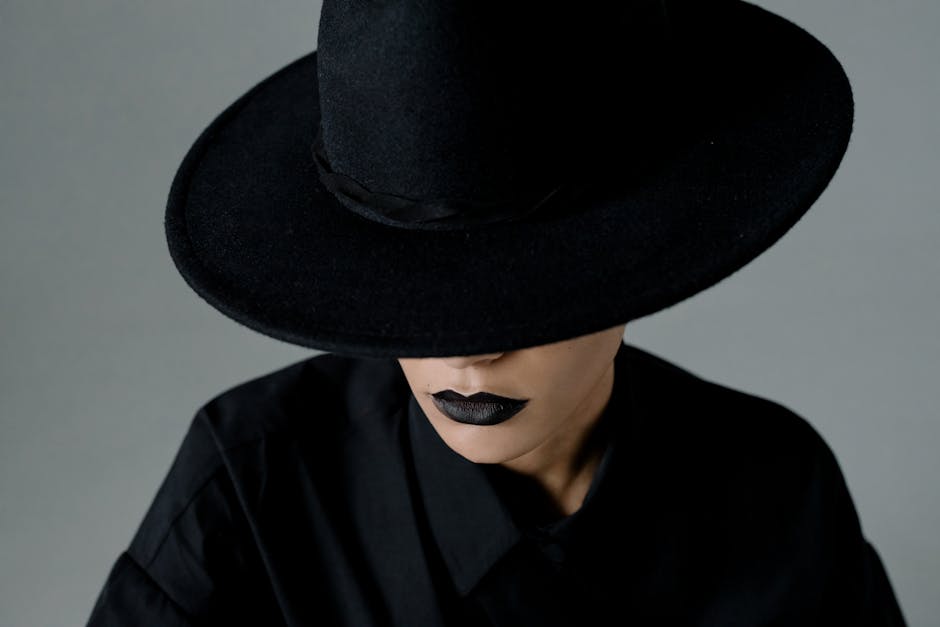
When the joking stops and the purchasing begins, it is important to understand the technical specifications that separate a “costume” hat from a piece of heirloom millinery. High-quality hats are often priced based on the “X” factor in felt—a scale used to denote the percentage of beaver fur blended with rabbit fur. The higher the X, the more durable, water-resistant, and silky the hat will feel. For those shopping via retail partners like Farfetch, looking for these technical specs can ensure that your investment lasts longer than the latest viral meme.
Furthermore, the “crown” and “brim” dimensions are not just aesthetic choices; they are functional engineering. A higher crown allows for better heat dissipation in the summer, while a wider brim offers superior UV protection. When you buy a high-end hat, you are paying for the blocking process—the method of steaming and stretching the material over a wooden mold to ensure it retains its shape for decades. This is why a premium Stetson or Brixton piece feels “heavy” in a way that suggests quality rather than burden.
Essential Headwear to Pair with Your Sense of Humor
If you are going to be the subject of a joke—or the teller of one—you might as well be wearing something that stands up to the scrutiny. Based on current retail availability through major partners like those found on Awin-affiliated stores, we have identified several key pieces that balance style with a certain approachable wit. Choosing the right hat is about understanding your proportions and the message you want to send.
1. Brixton Messer Fedora
The Brixton Messer is a staple for those who want to dip their toes into the world of wide-brimmed hats without looking like they are wearing a costume. It is a refined, accessible take on a classic silhouette.
- Approximate Price: $65 – $80
- Specifications: 100% Wool Felt, Faux Leather Band, Flat Brim.
- Pro: Incredible structural integrity; the felt holds its shape even after moderate wear.
- Con: It is not “crushable,” meaning you cannot throw it in a suitcase without a dedicated hat box.
2. Carhartt WIP Acrylic Watch Hat
The quintessential “workwear” beanie that has been adopted by everyone from skaters to high-fashion enthusiasts. It is the perfect canvas for a casual, humorous look.
- Approximate Price: $20 – $35
- Specifications: 100% Stretchable Rib-Knit Acrylic fabric.
- Pro: Extremely durable and warm; fits almost any head size comfortably.
- Con: The fabric can pill over time if not washed with care (hand wash recommended).
3. Stetson Skyline 6X Cowboy Hat
For those who want to lean into the “Western” trend of 2024, the Stetson Skyline is the gold standard. It commands respect, which makes any joke you tell while wearing it even more unexpected.
- Approximate Price: $260 – $310
- Specifications: 6X Quality Fur Felt, 4-inch brim, Cattleman Crown.
- Pro: High-quality fur felt that offers genuine weather protection and longevity.
- Con: The price point is a significant investment for a casual wearer.
4. Kangol 504 Ventair Flat Cap
A favorite of cultural icons, the Kangol flat cap is breathable and stylish. It’s the kind of hat that says you know your fashion history but don’t take it too seriously.
- Approximate Price: $50 – $65
- Specifications: 100% Polyester/Chlorofibre blend with a 2-inch brim.
- Pro: Iconic silhouette that works well with both casual and semi-formal attire.
- Con: The sizing can be inconsistent; always check the specific centimeter measurements.
Hat Maintenance 101: Keeping the Punchline Polished

A dirty or misshapen hat is rarely funny—it’s usually just sad. To ensure your headwear remains the “top” of the conversation for the right reasons, follow these maintenance tips. First, always handle your hat by the brim, not the crown. Grabbing a fedora by the crown can eventually cause the felt to crack or lose its shape, leading to a “pinched” look that no amount of steaming can fix. Second, invest in a horsehair brush. Brushing your hat in a counter-clockwise direction helps remove dust and keeps the “nap” of the felt looking fresh.
For straw hats, a simple damp cloth is usually enough to remove surface grime. However, for felt hats that have lost their luster, a light application of steam from a kettle can reactivate the natural fibers, allowing you to reshape the brim by hand. If you find yourself caught in the rain, never dry your hat on a radiator. Heat will shrink the leather sweatband and warp the felt. Instead, flip the sweatband out and let the hat air-dry on a flat surface. Proper care ensures that your hat—and your jokes—remain in peak condition for years to come.
Ultimately, the best hat jokes are the ones that celebrate our willingness to put something slightly ridiculous on our heads and walk out into the world. Whether you’re wearing a $300 Stetson or a $5 thrift store find, a well-placed pun reminds us that fashion is, at its heart, a form of play. By embracing the humor inherent in millinery, we become more confident wearers, capable of navigating the complex world of style with a smile—and a perfectly tilted brim.

Related Posts