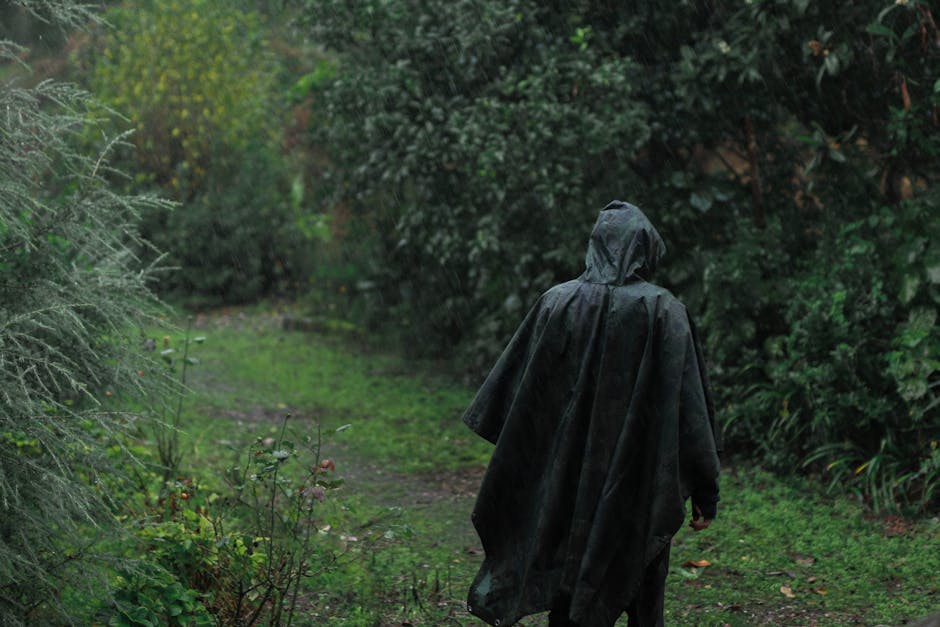
The intersection of high-performance technical apparel and inclusive sizing has historically been a narrow one. For decades, the outdoor industry prioritized an “alpine fit”—a silhouette designed for professional climbers with low body fat percentages—leaving the average XXL wearer struggling with restricted movement and poor ventilation. However, the 2024 market represents a turning point. Finding the best raincoat for men XXL is no longer just about finding a bigger label; it is about finding a garment that understands the geometry of a larger frame while actually keeping the external water out and the internal moisture managed.
I have spent a decade testing outdoor gear, and for those of us who carry a bit more weight or have broader shoulders, the struggle is twofold. First, there is the fit. Second, there is the heat. Larger bodies generate more thermal energy. If you buy a cheap, non-breathable plastic slicker, you might stay dry from the rain, but you will be absolutely drenched in sweat within ten minutes of walking. It defeats the entire purpose of technical rainwear. We need fabrics that breathe, cuts that allow for a full range of motion, and styles that do not make us look like we are wearing a discarded camping tent.
The Technical Divide: Why XXL Sizing Requires Better Engineering
There is a persistent, annoying myth in the garment industry that an XXL is simply a Medium that has been scaled up proportionally in every single direction. It is a lie. If you have ever put on a raincoat that fit your chest perfectly but had sleeves so long they covered your knuckles, or a jacket that zipped up fine but felt like it was strangling your armpits, you know exactly what I am talking about. Effective XXL design requires “grading”—the process of adjusting patterns for different sizes—to be handled with nuance. It means widening the shoulders without necessarily lengthening the arms by the same ratio, and providing enough room in the midsection without creating a “bell” shape that catches the wind.
The Geometry of the XXL Frame: Beyond the Tape Measure
When you are shopping for a raincoat in larger sizes, the spec sheet tells half the story, but the construction tells the rest. You want to look for specific architectural features that accommodate a larger torso without sacrificing the technical performance of the jacket. The most important thing is the “pit-to-pit” measurement, but that is just the baseline. You also need to consider the hem shape and the presence of “articulated” joints. Articulated elbows, for instance, prevent the sleeves from riding up when you reach for your phone or steering wheel, which is a common point of failure in poorly designed larger garments.
The Importance of Pit Zips and Ventilation
I cannot stress this enough: if you are buying an XXL raincoat and it does not have pit zips (underarm zippers), put it back on the rack. Because larger bodies have more surface area and generate more thermal energy, the internal humidity of a jacket climbs rapidly. Pit zips allow you to dump heat instantly without opening the front of the jacket and letting the rain in. It is the difference between a comfortable walk and a miserable, humid slog. In an XXL frame, these vents should ideally be long—at least 10 to 12 inches—to provide enough airflow to reach the core of the body.
Hem Adjustment and Pocket Placement
Look for jackets with a “drop tail” hem—meaning the back is slightly longer than the front. This prevents the jacket from riding up when you sit down or lean over, a common issue for guys with a bit of a stomach. Furthermore, pay close attention to the pocket architecture. If the pockets are placed too low, they can feel tight across the hips when filled with a wallet or keys. Higher “Napoleon” style chest pockets are often more comfortable for larger builds as they keep your gear away from your waistline and allow for easier access when you are wearing a backpack or a seatbelt.
Top-Rated Raincoats for Men in Size XXL: 2024 Comparison
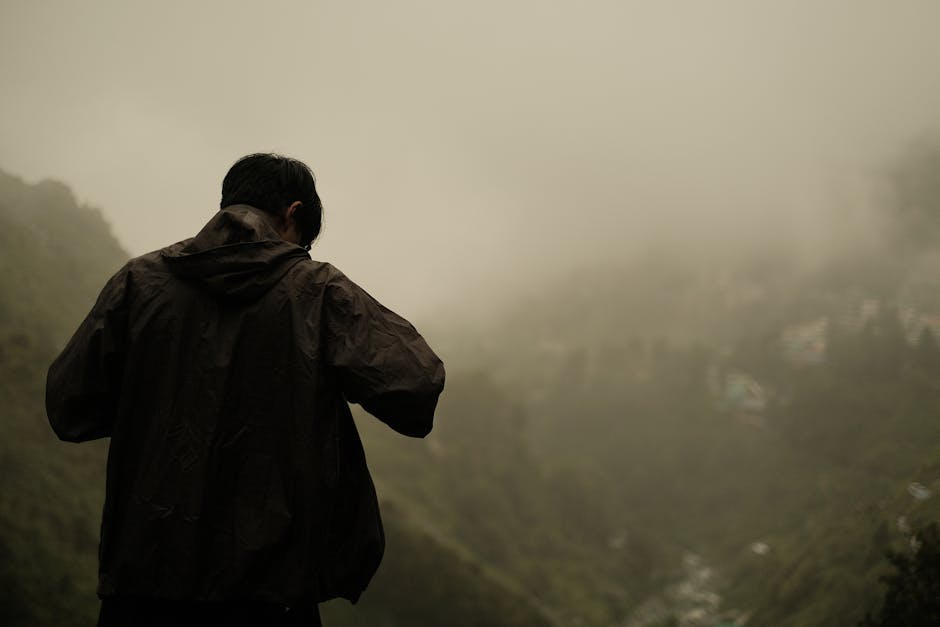
Not all brands are created equal when it comes to sizing consistency. Some “outdoor” brands lean heavily into an “athletic fit” which is code for “extremely narrow.” Others are more generous. Based on my experience and the current 2024 market, here are the standout performers that actually deliver on their promises. You can find many of these through major retailers like Marks & Spencer or ASOS, which often carry extended size ranges via their online portals, making them accessible for those who need a reliable fit quickly.
| Model | Approx. Price | Waterproof Rating | Best For | Key Feature |
|---|---|---|---|---|
| Patagonia Torrentshell 3L | $180 / £160 | 20,000mm | All-day downpours | 3-Layer H2No Performance |
| Columbia Watertight II | $60 – $90 / £70 | 10,000mm | Budget-conscious | Packable design |
| Helly Hansen Seven J | $100 / £90 | 15,000mm | Urban styling | HELLY TECH protection |
| Outdoor Research Foray II | $225 / £200 | 28,000mm | Max breathability | TorsoFlo venting |
| Marmot Minimalist | $190 / £175 | 28,000mm | Eco-friendly tech | GORE-TEX Paclite |
Patagonia Torrentshell 3L: The Gold Standard
The Torrentshell has been my go-to for years because Patagonia actually understands grading for larger sizes. The XXL doesn’t just get wider; it stays structured. The 3-layer construction means there is a fabric layer, a waterproof membrane, and a liner all bonded together. This makes the jacket feel substantial rather than flimsy. It is a bit “crunchy” and loud when you move, but the waterproof integrity is unmatched. The hood is also large enough to actually cover your head without pulling the shoulders of the jacket up to your ears.
- Pros: Incredible durability, 3-layer protection, and an industry-leading lifetime warranty.
- Cons: The fabric is stiff and can be noisy; the “Standard Fit” can feel snug if you have a very heavy mid-layer underneath.
- Specs: 100% recycled nylon ripstop; H2No® Performance Standard shell.
Columbia Watertight II: The Reliable Budget Pick
If you don’t want to drop two hundred dollars on a jacket you might only wear a few times a month, Columbia is the king of the XXL market. They have a dedicated “Big & Tall” line that is actually designed for our proportions. The Watertight II is a 2-layer jacket, which means it is lighter and more packable than the Patagonia. It uses Columbia’s proprietary Omni-Tech fabric. While it isn’t as breathable as high-end GORE-TEX, it gets the job done for casual use and daily commutes.
- Pros: Very affordable, available in a massive range of colors, and features a soft mesh lining that prevents the “plastic” feel against the skin.
- Cons: Lacks pit zips, which can lead to overheating during physical exertion.
- Specs: Omni-Tech™ waterproof/breathable fabric; 100% nylon 2L Full Dull plain weave.
Outdoor Research Foray II: The Ventilation King
This is the jacket for the guy who runs hot. The Foray II features “TorsoFlo” venting, which means the zippers go from the bicep all the way down to the hem. You can essentially turn the jacket into a poncho while still wearing it. For an XXL wearer, this is a literal lifesaver in humid climates. It uses GORE-TEX Paclite, which is lightweight and extremely effective at blocking wind and rain. It is one of the few jackets where the XXL feels truly spacious in the chest and arms.
- Pros: Best-in-class ventilation system; GORE-TEX reliability; very lightweight for travel.
- Cons: Higher price point; Paclite fabric is thinner and requires more care around sharp objects.
- Specs: GORE-TEX with Paclite® technology 2L; 50D 100% polyester.
Understanding Waterproof Ratings and Fabric Tech
Don’t let the marketing jargon confuse you. When you’re looking at a jacket, you’ll often see two numbers, like 10k/10k. The first number is the hydrostatic head (waterproofing), and the second is the breathability. For an XXL man, that second number is actually more important. A 10,000g breathability rating is the bare minimum you should accept. If you can find 20,000g or higher, your comfort levels will skyrocket, especially during the spring and autumn months when temperatures fluctuate.
2-Layer vs. 2.5-Layer vs. 3-Layer Construction
A 2-layer jacket usually has a mesh hanging liner inside. These are comfortable and feel more like a “normal” jacket, but they can feel bulky and take longer to dry. A 2.5-layer jacket has a “printed” pattern on the inside to protect the membrane; these are the lightest and most packable, but they can sometimes feel “clammy” against the skin if you are sweating. A 3-layer jacket is the premium choice—it feels like a single piece of fabric and offers the best moisture management. If your budget allows, always go for the 3-layer option in an XXL. The extra structure helps the jacket hold its shape rather than clinging to your body, providing a more flattering and comfortable fit.
The biggest mistake I see is men buying a size up (3XL) to get more room, only to find the sleeves are four inches too long and the shoulders droop. Stick to a true XXL from a brand that offers a “Relaxed Fit” or “Standard Fit” rather than an “Active Fit.”
Common Pitfalls When Buying Extended Sizes
When you are shopping in the XXL range, there are several “traps” that can lead to a poor purchase. One of the most common is the “short front” syndrome. Many manufacturers fail to account for the way a jacket hangs over a larger stomach, resulting in a front hem that sits too high while the back sits low. Always check the center-back length in the product specifications. For a man who is 6 feet tall and wearing an XXL, a center-back length of at least 30 to 32 inches is usually required for adequate coverage.
Another pitfall is the cuff design. Many budget raincoats use weak elastic at the wrists. For a larger man, this can be incredibly restrictive or, conversely, too loose to keep water from running up your arms. Look for “hook-and-loop” (Velcro) closures. These allow you to customize the fit around your wrists, which is essential if you are wearing a large watch or need to tuck gloves under your sleeves.
How to Style an XXL Raincoat Without Looking Bulky
Fashion for larger men often defaults to “hide everything under a dark sheet.” I disagree. A well-fitted raincoat can actually sharpen your silhouette if you choose the right cut. Look for jackets with adjustable cuffs and a cinch-cord at the waist or hem. By tightening the hem slightly, you prevent the jacket from flaring out like a bell, which can make you look wider than you are. This creates a more streamlined, rectangular profile that looks professional and intentional.
Color Theory for Larger Frames
While black and navy are the safe choices, don’t be afraid of color. A deep forest green, a rich burgundy, or even a burnt orange can look fantastic. Avoid bright, neon “safety” yellows unless you are actually on a mountain; in an urban environment, high-visibility colors on a large surface area can be overwhelming. Darker, matte finishes generally look more sophisticated and are easier to pair with your existing wardrobe of jeans or chinos. Retailers like ASOS are excellent for finding these more contemporary color palettes in XXL sizes.
Layering Strategy for the XXL Build
The raincoat is your outer shell, not your insulation. Don’t buy a jacket that is heavily insulated; it makes you look bulkier and limits the jacket’s use to only the coldest months. Instead, buy a shell and layer it over a lightweight fleece or a merino wool sweater. This modular approach gives you more control over your temperature. If you are shopping at a high-street retailer like Marks & Spencer, look for their “Autograph” merino range to wear underneath—it provides warmth without the bulk, allowing your XXL raincoat to drape naturally.
Maintenance: How to Make Your XXL Jacket Last

You’ve spent the money, now you need to keep it working. Most raincoats fail not because the fabric “wears out,” but because the DWR (Durable Water Repellent) coating gets clogged with dirt and body oils. For XXL guys, this happens faster because we tend to sweat more into the fabric. If you notice water is no longer “beading” on the surface and is instead soaking in (a phenomenon known as “wetting out”), it’s time for a wash. A wet-out jacket isn’t just heavy; it completely stops breathing, making you feel clammy and cold.
The Correct Way to Wash Technical Gear
Never use regular laundry detergent or fabric softener on a waterproof jacket. Standard detergents contain surfactants that attract water, which is the opposite of what you want. Softeners coat the fibers and destroy the breathability. Use a dedicated technical wash like Nikwax Tech Wash or Grangers Performance Wash. Wash it on a gentle cycle with cold or lukewarm water, and then—this is the secret—put it in the dryer on medium heat for 20 minutes. The heat reactivates the DWR coating by realigning the microscopic polymers on the fabric surface. If the coating is truly gone, you can buy a spray-on DWR treatment to restore the factory-level performance.
Storage Tips for Larger Jackets
Don’t leave your raincoat crumpled up in the bottom of a gym bag or in the trunk of your car. This creates permanent creases in the waterproof membrane which will eventually crack and leak. Hang it on a wide, sturdy hanger to maintain the shoulder shape. If the jacket is wet after a storm, let it air dry completely in a well-ventilated area before putting it away. Proper storage ensures that your investment will keep you dry for years, not just one season. By treating your gear with respect, you ensure that the technical membranes continue to perform at their peak, protecting you from the elements every time you step outside.
Ultimately, the best raincoat for an XXL man is the one that removes the friction from your day. It should be something you don’t have to think about once it’s on. By focusing on breathability, looking for those crucial pit zips, and choosing a 3-layer construction from a reputable brand or retailer, you can stop worrying about the weather and just get on with your life, regardless of what the forecast says.

Related Posts