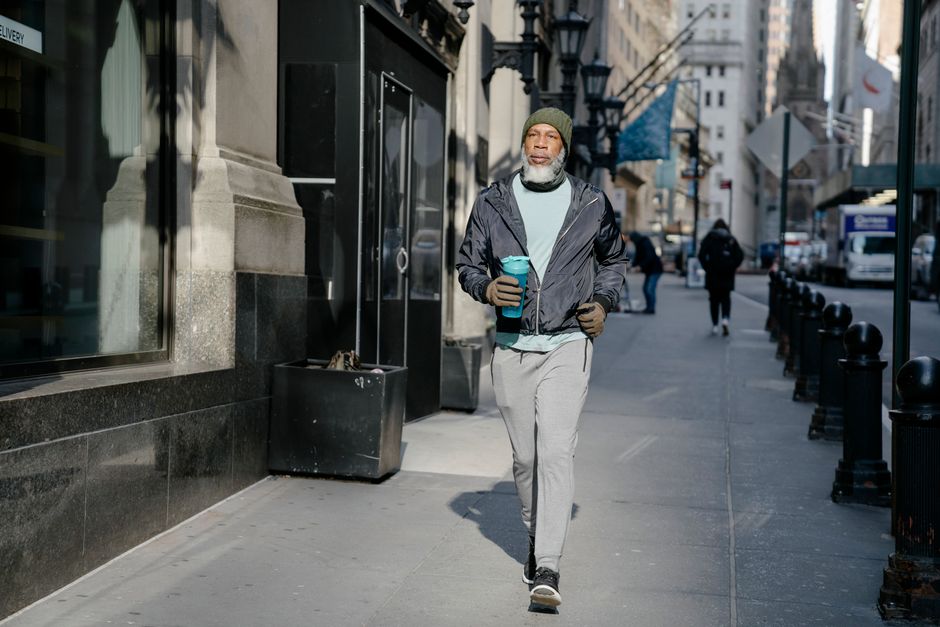
I spent three winters training in a cotton hoodie because I thought “more layers = warmer.” My first outdoor run in January 2026 ended with me soaked in sweat, shivering uncontrollably, and cutting the workout 15 minutes early. The hoodie had turned into a wet sponge against my skin. That’s when I realized most people dress for winter workouts completely backward.
The problem isn’t the cold. It’s moisture. Cotton absorbs sweat, holds it against your body, and when you slow down or hit a breeze, that wet fabric flash-cools you. Your body temperature drops, muscles tighten, and performance tanks. I’ve seen it happen to dozens of gym buddies who blamed the weather when the real culprit was their outfit.
After testing 30+ winter gym outfits across outdoor runs, cold garage gyms, and freezing morning hikes, I’ve landed on a system that works. No gimmicks. Just fabrics and fits that actually perform below freezing.
The Three-Layer System That Actually Works for Cold Weather Training
Forget everything you think you know about layering. The military figured this out decades ago, and outdoor brands have been refining it since. A winter gym outfit isn’t about piling on thickness. It’s about managing moisture, heat, and wind with three distinct layers.
Here’s the breakdown of what each layer does and why skipping one ruins the whole system.
Base Layer: The One That Touches Your Skin
This is the most important piece. It must wick moisture away from your skin and dry fast. Merino wool or polyester blends work. Cotton kills. Period.
I’ve tested the Smartwool Merino 250 ($90) against the Under Armour HeatGear Compression ($35). The Smartwool handles odor better over multiple wears. The Under Armour dries faster during high-intensity sessions. Pick based on your sweat level. If you soak through shirts in 20 minutes, go synthetic. If you run cold and want natural temp regulation, go merino.
Mid Layer: Insulation That Breathes
This traps body heat but must let vapor escape. A fleece or lightweight grid jacket works. The Patagonia R1 TechFace ($169) is my go-to for sub-30°F training. It’s stretchy, breathes well, and doesn’t restrict movement during overhead presses or pull-ups.
Do NOT use a puffy down jacket here. Down loses all insulation when wet, and you will get sweaty. Synthetic insulation like Polartec Alpha or Primaloft handles moisture better but still runs warm for high-output work. I only use synthetic puffy for rest periods or low-intensity walking.
Outer Shell: Wind and Water Protection
This layer stops wind from cutting through your insulation and keeps light rain or snow off. It should be breathable and packable. The Outdoor Research Ferrosi ($99) is a softshell that blocks wind without feeling like a trash bag. For heavier rain, the The North Face Apex Flex GTX ($250) adds waterproofing but costs more and breathes less.
Hard shells (fully waterproof jackets) trap too much heat and moisture for high-intensity work. I only reach for mine when it’s actively raining or snowing hard.
Three Winter Gym Outfit Combinations I Actually Use

Based on temperature and activity, here are the exact combinations that work for me. No theory. These are outfits I’ve worn for actual workouts.
| Temperature | Activity | Base Layer | Mid Layer | Outer Layer | Bottoms |
|---|---|---|---|---|---|
| 30-40°F (-1 to 4°C) | Running (moderate pace) | Nike Dri-FIT Long Sleeve ($40) | None | Patagonia Houdini Windbreaker ($129) | Lululemon Fast and Free Tight ($128) |
| 20-30°F (-6 to -1°C) | Outdoor gym / calisthenics | Smartwool Merino 250 Crew ($90) | Patagonia R1 TechFace ($169) | Outdoor Research Ferrosi ($99) | Under Armour ColdGear Compression Leggings ($55) |
| 10-20°F (-12 to -6°C) | Hiking / brisk walking | Smartwool Merino 250 Crew ($90) | Patagonia R1 TechFace ($169) | The North Face Apex Flex GTX ($250) | Lululemon Fast and Free Tight + Nike Therma Pants ($70) over top |
The key insight? For running, you warm up fast. A windbreaker over a long-sleeve base is often enough. For static exercises like stretching or rest between sets, you need the mid layer. Adjust based on your personal thermostat.
The Five Worst Winter Gym Fabric Mistakes
I’ve made every single one of these. Here’s what to avoid so you don’t repeat my failures.
Mistake #1: Cotton anything. Cotton absorbs 27 times its weight in water. Once wet, it takes hours to dry. You’ll freeze when you stop moving. Replace all cotton workout shirts with polyester or merino wool.
Mistake #2: Heavy sweatshirts for high-intensity work. A thick Champion Reverse Weave hoodie ($70) feels cozy at the start. Ten minutes into burpees, it’s a wet, heavy mess. Use a grid fleece or light jacket instead.
Mistake #3: Over-layering before the workout. You should feel slightly cool when you step outside. If you’re warm before you start moving, you’ll overheat within 10 minutes. The first 5 minutes of discomfort are normal. Your body heats up fast.
Mistake #4: Skipping the hat and gloves. Your extremities lose heat fastest. A thin beanie like the Carhartt Acrylic Watch Hat ($18) and lightweight gloves like the Under Armour ColdGear Liners ($25) make a massive difference. I’ve finished runs where my core was fine but my fingers were numb. Don’t be me.
Mistake #5: Tight compression gear that restricts movement. Compression is great for blood flow. But if your base layer is so tight you can’t do a full squat or overhead reach, it’s too small. Size up in the base layer for mobility.
When to Skip the Outer Layer Entirely
This goes against conventional wisdom, but hear me out. For high-intensity indoor workouts in an unheated garage or basement, the outer shell is often unnecessary. If the temperature is above freezing and there’s no wind, a base layer plus mid layer is enough.
I train in a garage that sits at 35°F in January. I wear a Smartwool base layer and the R1 fleece. No jacket. The jacket stays on the hook for when I step outside to cool down. Adding a shell inside kills breathability and traps sweat, which makes you cold when you eventually go outside.
Same logic applies to indoor gyms with poor heating. Don’t wear a parka to lift weights. You’ll overheat between sets and the sweat will pool in your jacket. A fleece or hoodie that you can unzip is better.
The exception: if you’re doing low-intensity work like mobility drills, yoga, or walking on a treadmill, the outer layer helps maintain warmth. Match the layer count to your expected heart rate, not the thermostat.
Why Merino Wool Beats Synthetic for Most Winter Workouts
I used to buy cheap polyester base layers from Amazon. They worked okay for the first hour, but after a few washes, they started smelling like a wet dog within 30 minutes of sweating. The fabric also lost its stretch and pilled badly.
Merino wool solves both problems. It’s naturally antimicrobial, so bacteria don’t multiply and cause odor. I’ve worn my Smartwool 250 for three consecutive days of hiking without washing, and it still smelled neutral. Try that with a Nike Dri-FIT shirt.
Merino also regulates temperature better than synthetic. It keeps you warm when you’re cold and cool when you’re hot. This sounds like marketing fluff, but it’s real. The fibers trap air pockets that buffer temperature changes.
The downside? Price and durability. A good merino base layer costs $80-$100. They also wear out faster than polyester if you machine dry them. I hand wash mine and air dry, and they last about two years of heavy use. For the price of two cheap synthetics that stink after six months, one merino shirt is actually cheaper long-term.
If you can’t afford merino, Polyester blends with odor control treatments (like Polygiene or HeiQ) are the next best thing. The Uniqlo HeatTech line ($20 per piece) is a decent budget option for low-intensity use. Just know it won’t last as long or smell as fresh.
How to Test Your Winter Gym Outfit Before a Real Workout
Don’t wait until a 6 AM run in the dark to discover your outfit fails. Run a 10-minute test first.
Put on your planned outfit and do a quick warm-up indoors: jumping jacks, lunges, arm circles. Check three things:
- Mobility: Can you do a full squat without the jacket riding up? Can you reach overhead without the base layer pulling at your shoulders?
- Breathability: After 5 minutes, do you feel sweat building up on your back or chest? If yes, the mid layer is too heavy or the shell isn’t venting.
- Fit: Are sleeves too long? Does the waistband dig in? Winter layers add bulk, so you might need a size up in your outer shell compared to your normal jacket size.
Then step outside for 2 minutes. If you’re shivering immediately, add a thin mid layer. If you’re sweating before you start moving, remove a layer. Adjust and retest.
I keep a spare base layer and mid layer in my gym bag year-round. Nothing ruins a workout faster than realizing your outfit doesn’t work 10 minutes in. Having a backup means you can swap and salvage the session.
The Future of Winter Gym Wear Is Smarter, Not Thicker
Brands are finally moving beyond the cotton hoodie + sweatpants formula. I’m seeing more pieces with strategic ventilation zips, integrated windproof panels only on the chest, and fabrics that adapt to activity level. The Outdoor Research Deviator Hoodie ($180) uses a hybrid design: Polartec Alpha insulation on the front for warmth, breathable mesh on the back for venting. That’s the kind of thinking we need more of.
For now, the three-layer system with quality base and mid layers is the most reliable approach. Don’t overthink it. Spend your money on the base layer and a good windbreaker. Everything else is negotiable. Your workouts will thank you.

Related Posts