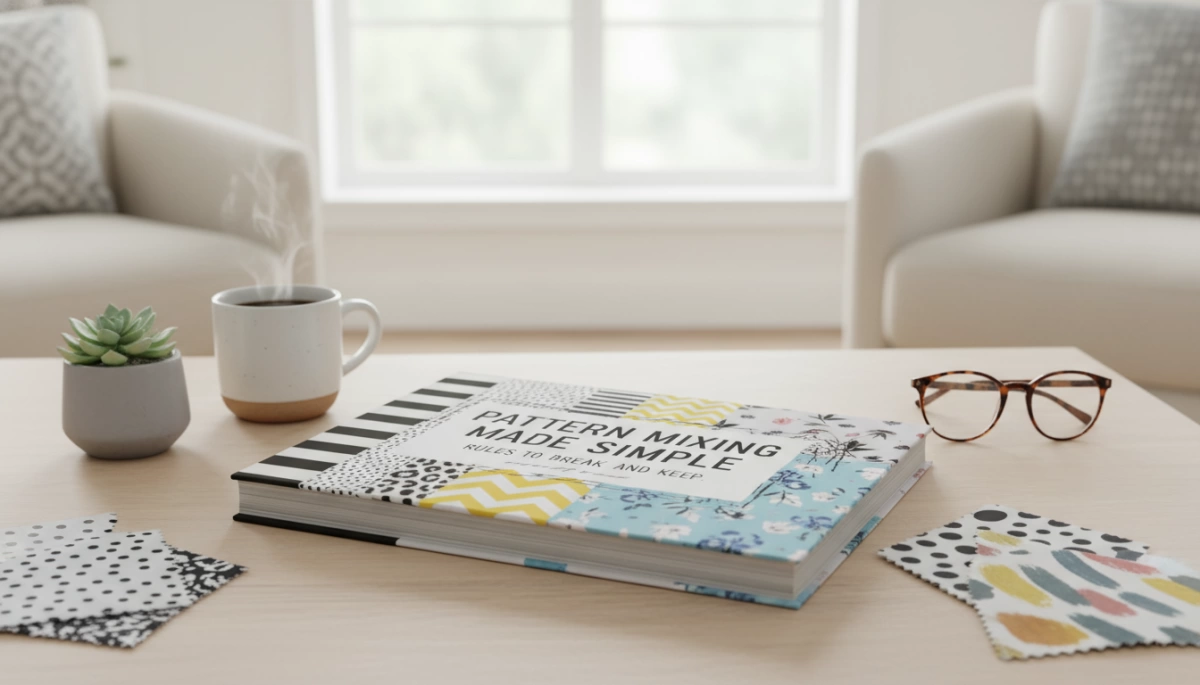
Pattern Mixing Made Simple: How to Master the Art of the Clash
Mixing patterns might feel like walking a fashion tightrope, but when done right, it elevates your personal style from safe and predictable to confidently stylist-approved. Why stick to one print when you can create outfits that tell a story and catch the eye? The psychology of print mixing is all about visual interest and depth—it’s like adding layers of personality to your look without creating chaos.
The biggest barrier? The confidence factor. Many shy away, worried they’ll look “too busy” or just plain crazy. But here’s the secret: pattern mixing isn’t about throwing random prints together. It’s an art of balance—knowing when to clash and when to harmonize. When you master this, your outfits don’t clash; they converse. That’s the real goal—a stylish dialogue that makes heads turn for all the right reasons.
The “Keep” List: 3 Golden Rules for Harmony
The Rule of Shared Colors (The Anchor)
A cohesive color palette is your best friend when pattern mixing. To create visual balance, pick one “anchor color” that appears in both patterns. This shared hue acts like a thread weaving your look together, preventing the outfit from feeling chaotic. Think of it as your safety net—it keeps the mix intentional and polished without draining the energy of power clashing.
The Rule of Scale and Proportion
Size matters when combining prints. Avoid mixing two patterns of the same scale; it tends to confuse the eye. Instead, pair a dominant, large-scale print with a smaller, more subtle micro-print. This hierarchy creates depth and direction, letting one pattern lead while the other supports. It’s the foundation of scale and proportion in pattern mixing, crucial for achieving that stylist-approved finish.
The Rule of Separation
When prints get busy, give your eyes a rest. Solid pieces act as the perfect palate cleanser. Use solid belts, blazers, or denim to break up patterns and create breathing room. This simple trick stops your outfit from looking cluttered while enhancing texture contrast and visual interest. Think of solids as the neutral ground that anchors your bold prints perfectly.
The “Break” List: Old Myths You Need to Ignore
Myth: “Neutrals Must Be Solid”
Forget the old rule that neutrals have to be plain and solid. Today, animal prints like leopard and snake, as well as classic Breton stripes, are considered neutrals in pattern mixing. These prints act like a neutral ground, giving you more room to play with bold pieces. For example, treat a leopard print shoe as you would a nude pump—it’s versatile and grounds your outfit without competing. This approach opens the door to much more creative, maximalist style.
Myth: “Don’t Mix Black and Navy (or Brown)”
It’s time to break the “black can’t mix with navy or brown” myth. Dark neutrals can totally coexist if you use texture contrast and patterns to bridge the colors. Think tweed next to satin or matte leather with shiny patent — these differences help the shades work as a cohesive palette. This power clashing technique gives your outfit a high-fashion street style aesthetic that feels fresh and intentional, not accidental.
Myth: “Only One Bold Piece at a Time”
Maximalism is in. You no longer have to hold back and limit yourself to just one statement piece. The new rule is to balance ‘loud’ prints by their intensity—match saturation levels rather than shy away from boldness. For example, pairing a bright floral skirt with a vividly patterned top can work if the colors complement and the prints vary in scale. This mix creates visual balance and adds depth without tipping into chaos.
Breaking these old myths makes pattern mixing simple and fun, transforming how you approach your capsule wardrobe essentials with color theory in fashion at the forefront. For more on blending patterns and styles, check out how to dress with confident flair in this guide to dressing like you have ‘it’ at autumnfashion.info.
4 Foolproof Pattern Formulas for Beginners
If you’re new to pattern mixing, these four easy-to-follow formulas will help you nail the art of combining prints without the guesswork. Each pairs patterns based on complementary textures, scales, and color harmony to create visual balance and elevate your street style aesthetic.
Formula 1: Stripes + Florals
This classic combo blends the geometric structure of stripes with the organic flow of floral prints. The straight lines of stripes offer a clean contrast against the softness of florals, adding depth while keeping the look cohesive. Stick to a shared color palette to keep the mix feeling intentional and stylish.
Formula 2: Polka Dots + Plaid/Tartan
Polka dots bring gentle curvature that softens the rigid lines and angles of plaid or tartan patterns. This mix plays with scale by combining the playful, rounded dots with the structured grid of plaid, resulting in a balanced statement piece without overwhelming the eye.
Formula 3: Graphic Tees + Patterned Bottoms
An easy entry point for pattern mixing, pairing a bold graphic tee (band logos or iconic prints) with a patterned skirt or checkered trousers keeps things casual yet fashion-forward. The contrast between graphic elements and classic prints adds an urban vibe perfect for capsule wardrobe essentials.
Formula 4: Tone-on-Tone (Monochromatic Mixing)
Mix different patterns like houndstooth and stripes within the same color family to achieve a chic monochromatic styling effect. This approach relies heavily on scale and proportion, allowing you to experiment without overpowering the outfit. By focusing on a cohesive color palette, you ensure your look feels polished and intentional.
These formulas are your shortcut to power clashing with confidence, helping you create outfits that show off your personal style through smart color theory in fashion and scale mastery.
Accessories: The “Toe-Dipping” Approach
If pattern mixing feels overwhelming, start small with accessories. Think scarves, patterned tights, or statement bags paired with printed garments. These pieces let you experiment with texture contrast and subtle pattern mixing without overdoing it.
Using textured fabrics like tweed, ribs, or lace adds depth and interest to your outfit while keeping the overall look balanced. Accessories act as a gentle introduction to mixing prints, helping you master visual balance and build confidence before moving on to bolder combinations.
Starting with accessories is a low-risk way to bring maximalist style into your wardrobe and play with monochromatic styling or power clashing in a more controlled, stylish way. For those looking to elevate their capsule wardrobe essentials, this approach is a smart first step.
Troubleshooting: Why Your Outfit Doesn’t Look Right
When your pattern mixing feels off, try the Squint Test: simply squint your eyes at your outfit from a distance. If the patterns blur into a muddled mess, it means they’re competing rather than complementing each other. This quick trick helps you spot if your prints lack visual balance and harmony.
Another common culprit is having too many heroes—multiple bold prints all fighting for attention. Instead of creating depth or layering, it ends up chaotic. Remember, the goal is to let your patterns support each other, not clash endlessly. Think of one statement piece paired with subtler micro-prints or tonal patterns for a cohesive look.
Trust Your Mirror, Not Just the Rules
Mastering pattern mixing is less about rigid guidelines and more about trusting your intuition. The best way to create a personal style that truly stands out is by experimenting with prints and textures until you find what feels right. Don’t be afraid to break a “rule” if it adds visual interest and balance to your look. Remember, the goal is visual harmony, not chaos, so if something looks good to you and boosts your confidence, you’re on the right track.
Try the squint test to see if your patterns complement each other, and keep practicing by mixing scales, color palettes, and textures in ways that reflect your personality. The art of power clashing and monochromatic styling can be exciting once you move past the fear of looking “too much.”
Ready to share your pattern-mixed outfit? Tag us or your favorite fashion blog in your next OOTD post and join a community of style lovers who embrace maximalist style and confident print combinations.
For more inspiration on refreshingly stylish looks, check out how to create capsule wardrobe essentials that blend seamlessly with your existing pieces.

Related Posts