
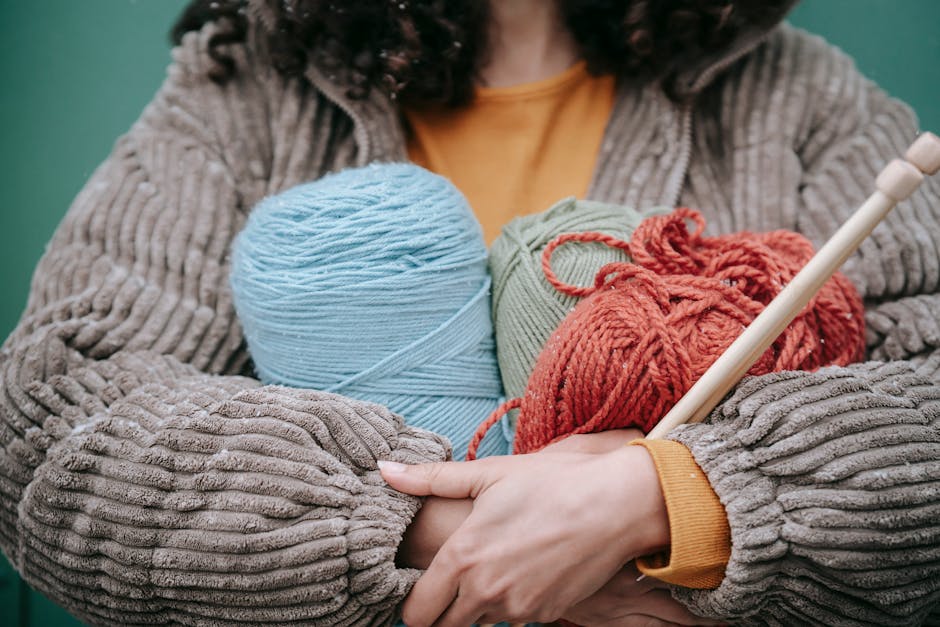
For years, I found myself in this cycle: I’d see a gorgeous knitted jacket, usually on someone else, buy something similar, and then be disappointed within a season. It would pill, stretch out, or just feel cheap. I wasted so much money on pieces that didn’t hold up. Eventually, I got smart. I started paying attention to fabric, construction, and what truly makes a knitted jacket worth the investment. Now, my closet is full of pieces I actually love and wear constantly. I’ve learned what works and, more importantly, what doesn’t.
What I Look For in a Knitted Jacket (and Why You Should Too)
It’s easy to get swayed by aesthetics alone, but I’m telling you, the real magic is in the details. When I’m eyeing a new knitted jacket, I run through a mental checklist. First up: fiber content. This is non-negotiable for me. I prioritize natural fibers like wool (Merino wool is a dream), cashmere, alpaca, and sometimes cotton blends if they’re high quality. These breathe better, regulate temperature, and generally age more gracefully than synthetics. They might cost more upfront, but they pay for themselves in longevity and comfort.
Why Merino Wool is Often the Best Bet
Hands down, if I had to pick one fiber, it would be Merino wool. It’s soft, not scratchy like traditional wool can sometimes be, and it has incredible temperature-regulating properties. I’ve worn Merino knitted jackets in chilly offices and on brisk autumn walks, and they always feel just right. They resist odor, which means less washing and more wearing, and they’re surprisingly durable. For me, a good quality Merino knitted jacket from a brand like COS or Everlane is a solid investment. You’re looking at spending anywhere from $120 to $250 for a really well-made one, but it will last for years.
Knit Type and Weight Matter More Than You Think
Beyond the fiber, the way the garment is knitted profoundly affects its drape, warmth, and durability. I tend to gravitate towards denser, more tightly woven knits for warmth and structure. A chunky cable knit offers texture and serious insulation, perfect for winter. For a lighter, transitional piece, a finer gauge knit in a simple stockinette stitch works beautifully. Always check the weight – a heavier knit usually signifies more warmth and a more substantial feel, making it feel more like a proper jacket than just a cardigan. If it feels flimsy or loose, it’s a pass for me. I want something that feels like it has a bit of heft and structure.
My Go-To Knitted Jackets: A Quick Comparison

Over the years, I’ve cycled through countless knitted jackets, but a few have truly earned their permanent spot in my wardrobe. These are the ones I reach for again and again, whether I’m dressing up for an evening out or just need something cozy for a coffee run. I have specific reasons for loving each of them, and they cover a range of styles and price points. It’s about finding the right piece for the right occasion, and these brands consistently deliver quality and style.
| Product | Brand | Primary Fabric | Typical Price Range | Why I Love It |
|---|---|---|---|---|
| Oversized Ribbed Wool Cardigan | COS | Merino Wool Blend | $150 – $220 | Super soft, perfect oversized fit. Drapes beautifully, not too structured. A true workhorse for layering over anything. |
| Cashmere Crewneck Cardigan | Everlane | 100% Cashmere | $180 – $250 | Luxurious feel without the luxury price tag. Amazingly soft, lightweight but warm. Great for more polished looks. |
| Donegal Cardigan Sweater-Jacket | Madewell | Wool Blend | $140 – $190 | Chunky, textured, and feels like a hug. Excellent for casual outfits, holds its shape well. Classic, timeless style. |
| Cocoon Cardigan | J.Crew | Merino Wool | $100 – $160 | Comfortable, versatile, and comes in great colors. A reliable staple for everyday wear. Good value for pure Merino. |
| Gaspard Cardigan | Sezane | Mohair Blend | $120 – $150 | Adds a touch of Parisian chic. The mohair gives it a lovely halo effect and makes it surprisingly warm. A bit more delicate, but stunning. |
The Single Biggest Mistake Buyers Make
It’s simple: buying purely based on how it looks on the hanger or on a model. I’ve been there too many times, captivated by a beautiful color or a trendy silhouette, only to find it pills horribly after two wears or loses its shape completely. You need to touch it, feel the weight, and check the fiber content tag. If you don’t do this, you’re essentially gambling your money away on something that likely won’t last. Don’t be fooled by cheap prices; they usually reflect cheap materials and construction that will disappoint you quickly.
How to Spot Quality Knitwear That Lasts
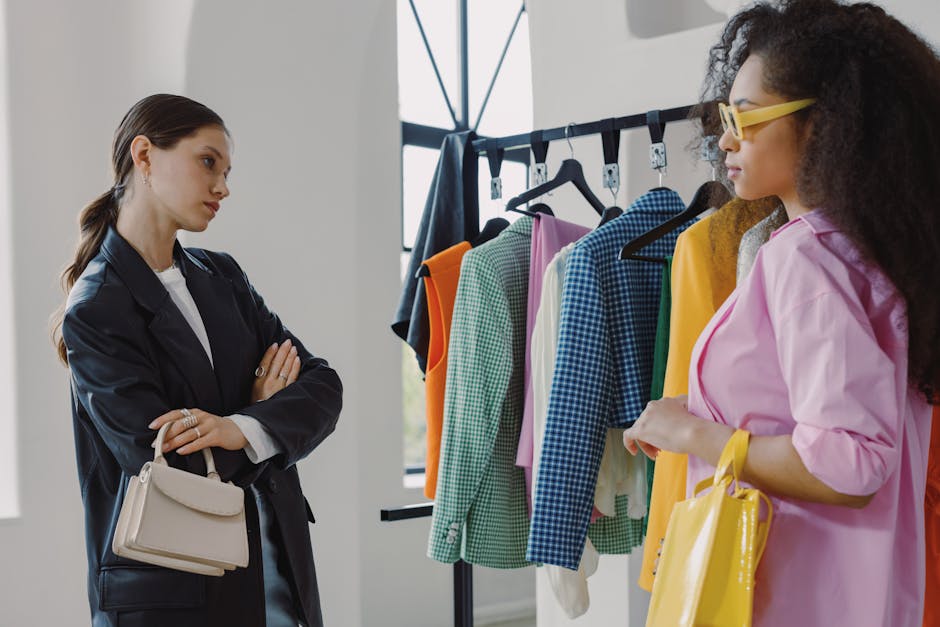
I used to think quality was just about the brand name, but I’ve learned that’s not always true. You can find fantastic pieces from lesser-known brands and duds from popular ones. It’s about being an educated consumer and knowing what physical attributes to look for. These checks have saved me from countless bad purchases, ensuring that the knitted jackets I bring home are actually built to last.
Check the Seams and Finishing
This is a dead giveaway. Look at the inside of the garment. Are the seams neatly finished? Are there loose threads everywhere? A well-made knitted jacket will have clean, secure seams, often fully fashioned, meaning the pieces are knitted to shape and then linked together, rather than cut and sewn. This prevents unraveling and creates a much stronger, more durable garment. If you see raw edges or sloppy stitching, put it back. Quality manufacturing takes time and precision, and it shows in these details.
Examine the Yarn and Tension
Before you even try it on, give the fabric a good look. Is the yarn consistent? Are there any visible breaks or thin spots? Is the knit tension even throughout? A good quality knit will have a uniform appearance, with stitches that are neither too tight (making it stiff) nor too loose (making it flimsy). Gently stretch a small section of the fabric. Does it spring back? Or does it stay stretched out? Good elasticity is crucial for a garment to maintain its shape over time. I usually do this test on the cuff or hem. If it passes, you’re on the right track.
The Button and Zipper Test
If your knitted jacket has buttons or a zipper, don’t overlook them. Are the buttons securely sewn on? Do they feel substantial, or like cheap plastic? Are the buttonholes neatly finished and reinforced? For zippers, do they operate smoothly without snagging? High-quality fasteners are a sign that the manufacturer didn’t cut corners. I once bought a beautiful sweater only to have a button fall off on the second wear – a small detail that ruined an otherwise nice piece. Now, I always check.
Don’t Bother with Acrylic Blends (Unless It’s for This Specific Use)
Here’s my strong opinion: **most acrylic blends for knitted jackets are a waste of money.** I know, I know, they’re often cheaper and can look appealing on the rack. But in my experience, they pill like crazy, don’t breathe well, and often feel clammy rather than cozy. They stretch out quickly and rarely maintain that luxurious feel that true natural fibers offer. I’ve bought too many acrylic sweaters over the years only to have them look haggard after just a few wears. Save your money.
The Exception: Specific Performance Needs
Now, there’s always an exception. If you need a knitted jacket for a very specific, high-wear, low-maintenance situation where durability and quick drying are , and breathability isn’t a top concern, then maybe an acrylic blend could work. Think something you’re wearing while doing messy tasks around the house, or if you need something super cheap and temporary for a costume. But for everyday wear, for something you want to feel good in and keep for seasons, just say no to high-percentage acrylic. It’s a false economy. You’ll end up buying another one much sooner, spending more in the long run. Invest in wool, cashmere, or a quality cotton blend instead. You’ll thank me later.
Sizing, Care, and Styling Knitted Jackets: Your Questions Answered
Getting the perfect fit and keeping your knitted jacket looking great can feel like a puzzle. I’ve made my share of sizing mistakes and ruined a few good pieces with improper care over the years. These are the questions I often hear, and my answers come from years of trial and error.
How Do I Find the Right Size for a Knitted Jacket?
This is crucial for both comfort and aesthetics. My rule of thumb: always check the brand’s specific sizing chart, as knitwear sizing can vary wildly. Do not assume your usual dress size. For a more relaxed, oversized look, I sometimes size up one. But for a tailored, fitted style that you might wear buttoned up as a top, stick to your true size. Pay attention to sleeve length and shoulder fit; these are the areas that can make a jacket look either perfectly tailored or completely sloppy. For instance, my Everlane cashmere cardigans, I wear my true size for a neat fit, but my COS oversized wool cardigan, I actually went one size down to prevent it from overwhelming my frame, while still maintaining that relaxed vibe.
What’s the Best Way to Wash and Care for Knitwear?
Improper washing is a death sentence for most knitted jackets. My advice: hand wash whenever possible. Use cold water and a gentle wool-specific detergent. Gently squeeze out excess water (never twist or wring!) and lay flat to dry on a clean towel. This prevents stretching and maintains the garment’s shape. If you absolutely must machine wash, use a mesh laundry bag, the delicate cycle, and cold water. And please, for the love of all that is cozy, never put wool or cashmere in the dryer. The heat will shrink it and ruin the fibers. I learned that the hard way with a beloved J.Crew Merino cardigan that ended up fitting my niece’s doll.
Can I Wear a Knitted Jacket as an Outer Layer?
Absolutely, but it depends on the jacket and the weather. A thick, chunky knit like the Madewell Donegal Cardigan or a substantial wool blend can easily act as a light jacket in crisp autumn weather or mild spring days. I’ll throw it over a t-shirt or a thin long-sleeve top for warmth. However, for anything colder or truly windy, you’ll need something more substantial, like a proper coat. Think of heavier knitted jackets as the perfect bridge piece for transitional seasons, or as a cozy layer under a heavier coat in deep winter. They’re incredibly versatile if you pick the right weight and knit.
Investing in Timeless Pieces vs. Fast Fashion Buys
I used to fall into the trap of buying cheap, trendy items, thinking I was saving money. I’d pick up three cheap knitted tops for the price of one quality piece. But I quickly realized it was a false economy. Those trendy pieces would unravel, pill, or just look dated after a single season. I ended up constantly replacing them, which was more expensive in the long run and frankly, just frustrating. My wardrobe felt cluttered with things I didn’t truly love or wear often. This cycle made me rethink my entire approach to fashion.
Why I Changed My Mind on Fast Fashion
It’s simple: I prioritize longevity and versatility now. Instead of chasing fleeting trends, I focus on classic silhouettes and high-quality materials that will stand the test of time. A well-made Merino wool cardigan from COS or a cashmere piece from Everlane might cost more upfront, but it will genuinely last for years, looking good season after season. It becomes a core part of my wardrobe, something I reach for consistently, rather than a disposable item. I save money, reduce waste, and build a more cohesive, stylish wardrobe. It’s about building a collection of pieces that truly serve me, not just buying for the sake of buying. That philosophy extends to everything from basic tees to statement jackets. You get what you pay for, and with knitwear, that’s never been truer.

Related Posts


