Understand Your Shoes: Know the Materials and Weak Points
To make your shoes last longer, start by understanding what they’re made of and where they typically wear out. Common shoe materials include:
- Leather: Durable but prone to creasing and scuffs.
- Suede: Soft and stylish but sensitive to water and stains.
- Canvas: Lightweight and breathable, though it can discolor and weaken over time.
- Mesh and Knit: Great for breathability but may develop tears or holes.
- Rubber soles: Essential for grip but can separate or wear thin from heavy use.
Knowing these materials helps you target your shoe care efforts effectively.
Typical Failure Points to Watch For
Every pair of shoes has spots that usually give out first. Watch for:
- Creasing: Especially on leather and synthetic uppers.
- Sole separation: When the sole starts peeling away from the base.
- Toe blowouts: Holes or thinning fabric at the front.
- Midsole compression: Loss of cushioning affecting comfort.
- Discoloration: Fading, stains, or yellowing, common on canvas and suede.
Quick Self-Assessment Checklist
Keep an eye on your shoes with this easy routine:
- Check soles for thinning or cracks.
- Look over stitching and seams for loose threads.
- Inspect uppers for stains, tears, or deep creases.
- Press the midsole to feel if cushioning is still responsive.
- Smell the inside to detect odors or moisture buildup.
By catching these early signs, you can apply shoe maintenance tricks to prevent further damage and prolong shoe lifespan.
Build Smart Daily Habits to Prevent Wear
Building simple daily habits can make a big difference if you want to make shoes last longer and avoid premature damage. Here’s what I recommend:
- Use a shoehorn every time you put on your shoes. This prevents crushing the heel counter, which keeps the shoe’s shape intact and extends its lifespan.
- Always untie your laces fully before removing your shoes. This reduces stress on the stitching and prevents the shoe from losing its form.
- Rotate your shoes regularly. Avoid wearing the same pair every day. Ideally, have 2–3 pairs in rotation. This gives each pair time to air out, dry, and recover between wears, slowing down wear and tear.
- Wear the right socks to reduce friction and moisture buildup inside your shoes. Moisture can weaken materials and cause unpleasant odors.
Clean Shoes the Right Way (Without Causing Damage)
Keeping your shoes clean is essential to prolong shoe lifespan, but doing it the right way makes all the difference. Stick to a gentle cleaning routine, ideally every few weeks or when shoes look visibly dirty. Use soft brushes or microfiber cloths to avoid scratching materials.
Material-specific care:
- Leather: Wipe with a damp cloth and apply a leather conditioner to keep it supple and prevent cracks.
- Suede: Use a suede brush to lift dirt and restore texture—never use water directly as it can stain.
- Canvas and mesh: Gently scrub with mild soap and water, or use sneaker-specific cleaning products for best results.
Always air dry shoes away from direct heat or sunlight to avoid warping or discoloration. Avoid using dryers or heaters.
Applying water and stain repellents can massively help protect your shoes before wear. Spray evenly on clean, dry shoes and let them dry fully. This extra step helps prevent stubborn stains and makes cleaning sneakers properly much easier.
Store Shoes Properly to Maintain Shape and Condition
Proper shoe storage is key to making shoes last longer and keeping them in good shape. Store your shoes in a cool, dry, and dark place with good airflow to prevent moisture build-up and discoloration. Avoid damp or overly warm areas, which can damage materials over time.
Use shoe trees, preferably cedar ones, or stuff your shoes with acid-free tissue paper to prevent creasing and maintain their shape. Cedar shoe trees also help absorb moisture and odors, which supports long-term shoe care.
Avoid storing shoes in plastic bags, as they trap moisture and can cause mold. Instead, opt for breathable dust bags or the original shoe boxes to allow airflow while protecting from dust.
For seasonal storage of off-season pairs:
- Clean and fully dry shoes before storing.
- Store them with shoe trees or stuffing.
- Keep them away from direct sunlight and heat sources.
Following these steps helps prolong shoe lifespan and keeps your collection ready to wear any time.
Protect High-Wear Areas Before Damage Occurs
To truly make shoes last longer, it’s smart to protect the spots that wear out first. For heavy walkers or runners, applying sole guards or half-soles can save your original sole from early damage. These add a tough layer that prolongs shoe lifespan, especially if you spend lots of time on rough surfaces.
Toe and heel taps or rubber overlays are also great for reinforcing vulnerable areas. These small additions absorb impact and prevent blowouts or sole separation in high-stress zones. For shoes with fragile eyelets, lace protectors help stop tears and keep your laces in place without damaging the fabric.
Don’t wait for serious damage—fix small holes early by patching them and reinforce weakened seams before they unravel. These simple shoe repair tricks preserve your shoes’ structure and avoid costly replacements.
Handle Moisture and Odor Effectively
Dealing with moisture and odor is key if you want to make shoes last longer. After a rainy day or a sweaty workout, dry your shoes thoroughly to prevent damage and smell buildup. A simple and effective method is stuffing them with newspaper or placing them near a fan—just avoid direct heat to keep materials from cracking or warping.
To keep moisture and odors under control, use cedar shoe trees or odor absorbers inside your shoes. Cedar naturally absorbs moisture and freshens the air, helping prolong shoe lifespan without harsh chemicals. You can also try natural deodorizing options like sprinkling baking soda or adding a few drops of essential oils for a light, fresh scent.
Don’t forget about insoles—they can trap sweat and odors quickly. Wash removable insoles regularly or replace them when they start to smell or lose support. Proper care here goes a long way in extending your sneaker life and overall shoe comfort.
For more on managing shoe care through different seasons, check out advice on intentional wardrobe habits that include smart shoe rotation and maintenance.
Know When and How to Repair Instead of Replace
Not every shoe problem means it’s time to toss them out. Learning some simple DIY fixes can help you prolong shoe lifespan without spending much. For example, using strong glue to fix sole separation or applying leather balm to treat cracks can keep your shoes wearable longer.
When damage goes beyond quick fixes, consider professional services like resoling, reheeling, stretching, or even dyeing to refresh your shoes. These repairs usually cost less than buying new, especially for high-quality footwear.
Think about cost-benefit before replacing your shoes: if repairs keep comfort and support intact and extend wear time significantly, it’s worth it. But if your shoes feel loose, lack cushioning, or cause discomfort, they might have reached the end of their safe life.
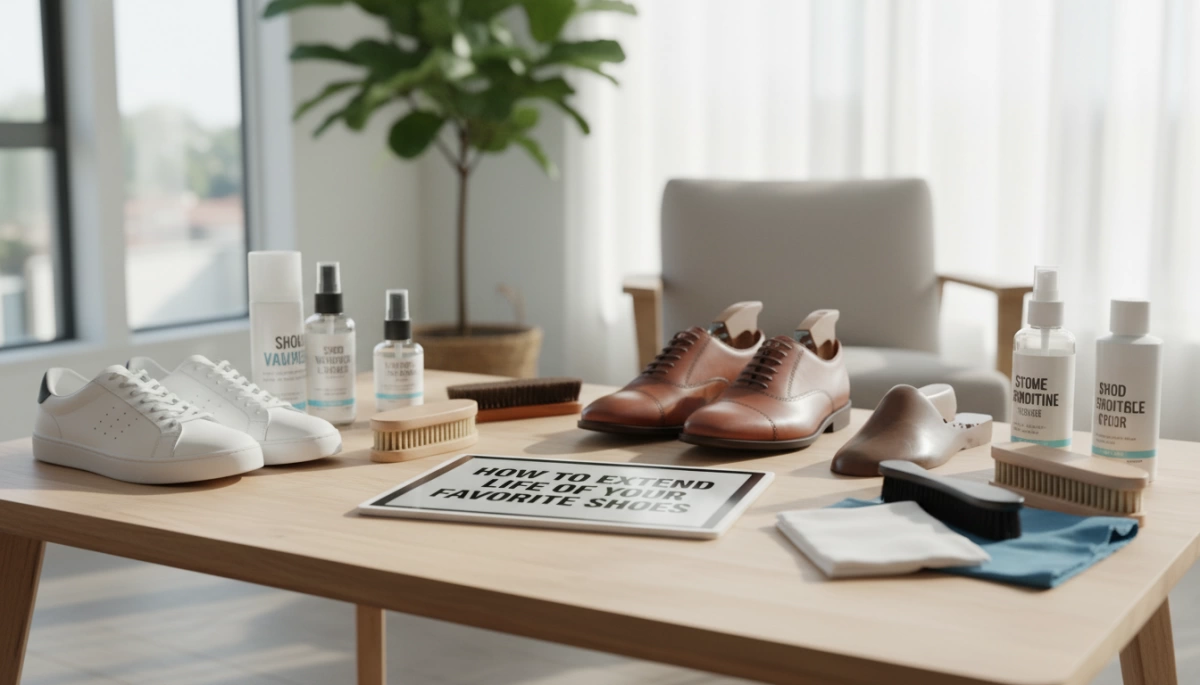
Knowing when to repair and when to upgrade is key to effective shoe maintenance and saving money. For more tips on how to care for shoes and choose durable options, check out our detailed shoe care guide and how to prolong the life of your favorite shoes.
Choose Future Shoes with Longevity in Mind
When buying shoes, think about features that actually make shoes last longer. Look for:
- Quality stitching that won’t easily come apart
- Thick soles tough enough to handle daily wear
- Replaceable insoles so you can refresh comfort without trashing the whole shoe
Brands and Materials Known for Longevity
Some brands specialize in durable shoes made with high-quality materials like full-grain leather, sturdy canvas, or reinforced rubber soles. Choosing these can save you money long-term by reducing the need for early replacements.
| Material | Durability Benefit | Example Uses |
|---|---|---|
| Full-grain leather | Ages well, resists tearing | Dress shoes, boots |
| High-density rubber soles | Wear-resistant, shock-absorbing | Sneakers, work shoes |
| Heavy-duty canvas | Breathable and tough | Casual shoes, skate shoes |
Break in New Shoes Properly
Don’t rush wearing brand-new shoes full-time. Break them in slowly to avoid early creasing, stitching damage, or sole issues. Wear them a few hours a day, gradually increasing time. Using socks that fit well can also reduce early wear and blistering.
By focusing on quality, materials, and proper break-in, you can significantly extend sneaker life and overall shoe lifespan.

Related Posts