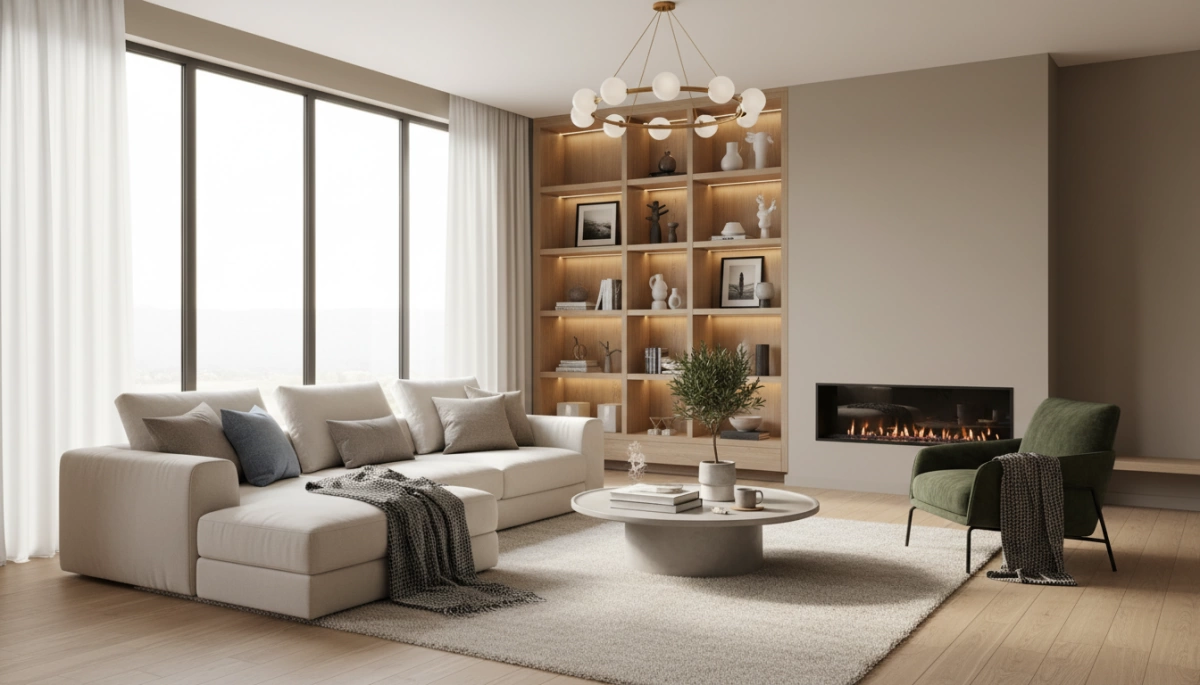
If you’ve ever walked into a home and instantly felt calm, safe, and wrapped in warmth, you know the magic of a cozy home environment. But how do you go from a bare, cold space to a sanctuary that truly soothes the soul? Whether you’re a homeowner, renter, or design lover, creating that perfect blend of comfort and style isn’t about buying everything in sight—it’s about thoughtful choices that spark joy and invite relaxation. In this guide, you’re going to discover simple but powerful shifts in lighting, textures, colors, and scents that turn any room into your personal retreat. Ready to transform your space? Let’s dive in.
The Foundation: Lighting Sets the Mood
Ever walk into a room and immediately feel uneasy because the lighting is too harsh? That’s the “Big Light” problem—those bright overhead lights can kill a cozy vibe, especially in the evening. To create a warm ambient lighting atmosphere, avoid using intense ceiling lights after sunset. Instead, think of lighting as layers that work together to craft comfort.
Layering Light Sources
- Ambient light: This is your room’s general glow. Use soft lamps or dimmable ceiling fixtures that spread warm, inviting light.
- Task light: Focused illumination for activities like reading or cooking. Desk lamps or under-cabinet lights help without overwhelming the space.
- Accent light: Highlight favorite objects or corners. Think wall sconces, fairy lights, or candles that add subtle sparkle.
Color Temperature Matters
Choose bulbs in the warm white range (2700K-3000K). These mimic natural sunset tones and promote relaxation, unlike cooler blue lights that feel sterile and can disrupt your evening calm. Warm color temperature bulbs help deepen that cozy feeling, perfect for winding down after a busy day.
By layering your lighting thoughtfully and opting for warm tones, you create a relaxing home atmosphere ideal for comfort and calm—essential for a cozy living room layering strategy and true hygge home decor.
Texture and Textiles: The Tactile Experience
Adding texture and textiles is essential to creating a cozy home environment. The power of layering different materials like velvet, wool, linen, and faux fur brings depth and warmth to any room. Mixing these soft home textiles not only pleases the eye but also invites touch, making your space feel inviting and comfortable.
The Power of Layering Materials
- Velvet adds a rich, plush feel perfect for accent pillows or upholstery.
- Wool and chunky knit throws provide extra warmth and a tactile contrast.
- Linen offers a lighter, breathable texture that balances heavier fabrics.
- Faux fur brings a luxurious softness that enhances comfort.
Rug Placement
Placing rugs thoughtfully can anchor a room and add warmth underfoot, especially on cold floors. Layering rugs of different textures creates a more dynamic, lived-in look, perfect for a cozy home.
Soft Furnishings
Choosing the right throw pillows and draping chunky knit blankets on sofas or chairs elevates the relaxing home atmosphere. These touches make your living room layering feel intentional yet effortless.
Curtains and Drapes
Heavy fabric curtains and drapes do more than frame windows—they help dampen sound and provide insulation, which supports a calm, quiet space essential for a cozy setting. Opt for materials that blend well with other textures to keep the room harmonious.
The Warm Palette: Color Psychology
Creating a cozy home environment starts with the right colors. Earth tones and neutrals—think beige, terracotta, warm greys, and soft whites—make an excellent base. These shades bring calmness and warmth, perfect for a relaxing home atmosphere that feels inviting without overwhelming your senses.
For smaller rooms, don’t shy away from dark and moody colors like deep greens, navys, and charcoals. These rich shades help cocoon the space, making it feel snug and intimate. Pair them with lighter hues to keep the room balanced and prevent it from feeling too heavy.
Incorporating wood elements is another simple way to add organic warmth. Natural wood grains work beautifully with a warm color palette, giving your space rustic home accents that feel grounded and timeless. Whether through wooden furniture or decor accents, they bring nature’s comfort indoors, complementing a biophilic interior design approach.
Biophilic Design: Bringing the Outdoors In
Bringing nature inside is a simple way to make your home feel cozy and alive. Houseplants not only add fresh greenery but also purify the air, making even the quietest corners feel vibrant and welcoming. When choosing decor, lean into natural materials like stone, wood, rattan, and clay. These organic home materials add texture and warmth, creating a soothing atmosphere that feels connected to the outside world.
Maximizing natural light during the day balances the warm ambient lighting you rely on in the evenings. Natural daylight brightens spaces, lifts your mood, and enhances the biophilic interior design vibe, making your home feel fresh yet comfortably grounded. For tips on integrating natural elements smoothly, explore how to extend the life of your cozy home touches with mindful care and styling.
Scent Scaping: The Invisible Layer of Decor
Scent plays a powerful role in creating a relaxing home atmosphere. Signature scents like vanilla, sandalwood, cedar, and lavender instantly bring a sense of comfort and warmth. These calming aromas are staples in hygge home decor for a reason—they help you unwind and feel cozy without any visual clutter.
To enjoy these fragrances, try different delivery methods:
- Soy candles offer a clean burn with gentle lighting.
- Essential oil diffusers provide continuous scent without an open flame.
- Reed diffusers silently disperse aroma and double as subtle decor pieces.
Don’t underestimate the simple coziness of everyday smells, either. The inviting scent of fresh coffee brewing or homemade bread baking instantly makes your space feel lived-in and welcoming. This natural aromatherapy sets an invisible yet impactful layer of comfort that complements the warm color palette and soft home textiles you’ve carefully chosen.
Curating Personal Nooks and “Life” Zones
Creating cozy, personal spaces in your home adds real comfort and warmth. Start with a reading corner — a comfy chair, a warm ambient lamp, and a small side table are all you need. This spot invites you to slow down, relax, and enjoy your favorite book in a soothing atmosphere that feels like a retreat.
Next, think about a coffee or tea station. Designating a small area for your morning ritual can make everyday moments special. Whether it’s a sleek shelf or a compact cart, this zone encourages mindfulness and adds charm to your routine.
To bring emotional warmth, include sentimental decor like treasured books, travel souvenirs, or family photos. These personal touches tell your story and make your cozy home environment uniquely yours. Textiles like chunky knit throws or soft cushions nearby can enhance the tactile comfort, completing your inviting nooks.
The Balance of Clutter vs. Minimalism
Creating a cozy home environment means finding the sweet spot between clutter and minimalism. Perfectly sterile rooms can feel cold and uninviting, while too much mess spikes anxiety instead of comfort. Think of it as organized chaos—a space that shows life without overwhelming it.
To keep clutter in check without losing that lived-in charm:
- Use hidden storage like baskets and ottomans to tuck away items but keep them easy to reach.
- Embrace the “lived-in” look by leaving an open book on the coffee table or draping a chunky knit blanket casually over the sofa.

Related Posts