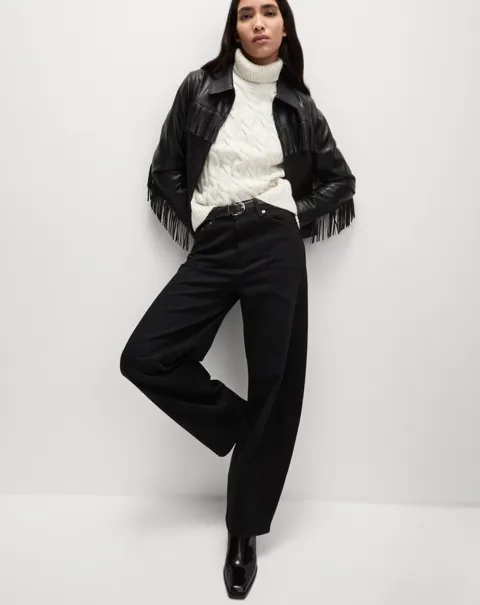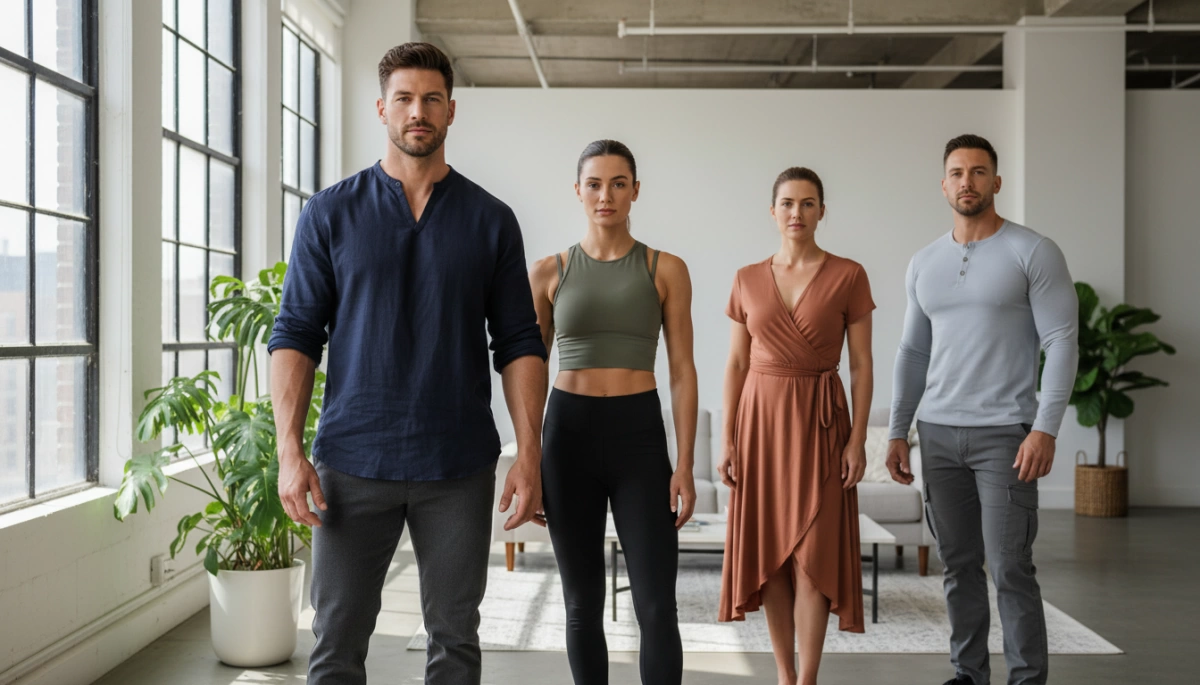
If you want to master silhouette play and use clothing cuts to highlight strengths, you’re in the right place. This isn’t about following fleeting trends—it’s about understanding the precise architecture of your body and how styles can sculpt your ideal look. By focusing on the visual proportions, strategic tailoring, and the subtle power of necklines, hemlines, and waistlines, you’ll learn how to create balance and enhance your natural assets with confidence. Ready to transform how you see—and wear—clothing? Let’s dive into the art of fashion geometry and unlock your most empowered silhouette yet.
Understanding the Canvas: Body Proportions vs. Size
When mastering silhouette play, the first step is appreciating your body as a unique architectural canvas—less about size, more about proportions. Visual proportions guide how clothing interacts with your frame, shaping perception and balance. It’s not about shrinking or covering up but sculpting your best assets through sartorial balance.
Vertical vs. Horizontal Proportions
Vertical styling elongates the frame, emphasizing height and creating a leaner line, while horizontal proportions add width and volume. Understanding when to use vertical lines—like pinstripes or long seams—and when to embrace horizontal elements—such as broad necklines or color blocking—is key in sculpting a harmonious silhouette that highlights your strengths.
The Rule of Thirds in Fashion
Applying the rule of thirds isn’t just for photographers—it’s a powerful tool in fashion geometry. Divide your body visually into three sections to strategize where to draw attention. For example:
- Top third: neckline and shoulders
- Middle third: waist and torso
- Bottom third: hips and legs
Balancing these zones with clothing cuts directs the eye naturally to your power points.
Identifying Your “Power Points”
Every body has distinctive areas to showcase—your power points. These are where structural tailoring and garment construction can either emphasize or refine. Common power points include a defined waist, strong shoulders, and long legs. Pinpoint yours by noting:
- Where your frame feels strongest or most balanced
- Areas you want to emphasize using cuts like the empire waistline or A-line silhouette
- How to use asymmetrical hemlines or vertical styling to enhance these zones
Once you know your unique body architecture, you can curate focus through precise garment cuts that sculpt and empower, rather than conceal. This mindset transforms dressing into a confident art of silhouette play.
The Upper Architecture: Necklines, Shoulders, and Sleeves
The upper body is like the architecture of your outfit—it sets the tone and frames your face. Necklines act as visual arrows, directing attention where you want it most. For example, V-necks and plunging necklines lengthen the neck and elongate the frame, creating a slimming effect that enhances vertical styling. On the other hand, boat necks and Bardot necklines broaden the shoulders, adding balance for pear-shaped figures or creating a bold statement that highlights the collarbone.
Shoulder construction plays a key role in defining your body architecture and overall sartorial balance. Structured shoulders with padding or sharp angles add confidence and power, making them perfect for creating the hourglass illusion or boosting a strong silhouette. In contrast, sloped shoulders give a softer, more relaxed look, better suited for casual or fluid styles. Sleeve types also affect the silhouette dramatically: raglan sleeves offer a casual, relaxed fit with less shoulder emphasis, while set-in sleeves maintain a clean, tailored line that supports classic garment construction.
Mastering neckline and shoulder choices helps curate focus and enhance your unique power points, making silhouette play a powerful tool in your fashion arsenal.
The Core: Waist Manipulation and Torso Cuts
Mastering the silhouette means focusing on waist manipulation and how the torso is shaped. Defining the waist can instantly create an hourglass illusion, balancing your body’s natural architecture and emphasizing your strongest points. Here are some key strategies:
- The Peplum Effect: Adding a peplum flares out slightly from the waist, highlighting it while adding subtle volume around the hips. This cut plays with structural tailoring to create a sharp contrast between the waist and lower torso, ideal for enhancing curves.
- Empire Lines: These lines start just below the bust and flow down, lifting the torso and elongating the frame. Empire waistlines work great for balancing proportions, especially if you want to draw attention upward and create a longer body visual.
- Wrap Cuts: Wrap dresses or tops cinch the waist naturally, shaping the midsection without adding bulk. This cut is versatile and suits many body types, offering both comfort and a flattering fit.
When it comes to structural volume, consider how boxy shapes versus fitted ones affect your look:
- Boxy silhouettes add volume to the torso, which can be used to balance broader hips or create an impression of a straighter frame.
- Fitted cuts, aided by darting and seaming, contour the body’s natural lines. Darting shapes fabric closely around curves, enhancing visual proportions and creating a refined, tailored effect.
Using darts and seams smartly is essential in garment construction for defining the waist and supporting a flattering silhouette.
The Foundation: Bottoms, Hemlines, and Extension
When it comes to silhouette play, the foundation you build with bottoms and hemlines is key to curating focus and elongating the frame. Understanding hemline geometry can transform how balanced and proportionate your overall look feels.
Hemline Geometry: Asymmetrical Hems, The Midi vs. Mini
Asymmetrical hemlines add a dynamic touch to an outfit, breaking traditional shapes and encouraging the eye to move vertically and diagonally. This visual trick can create an hourglass illusion or elongate the legs depending on where the cuts sit. Meanwhile, choosing between a midi and mini length fundamentally changes your sartorial balance:
- Midi skirts or dresses provide a sophisticated silhouette that often lengthens the lower body when paired with heels.
- Mini lengths showcase more leg and can make the wearer appear taller, especially when combined with high-rise trousers or boots.
Trouser Cuts and Leg Elongation: High-Rise vs. Low-Rise, Wide-Leg vs. Tapered
The cut of your trousers heavily influences your body architecture:
- High-rise trousers have a waist-defining effect, elongating the torso and legs, perfect for achieving more vertical styling and enhancing curves naturally.
- Low-rise cuts tend to shorten the torso and can disrupt the overall balance if not paired smartly.
In terms of leg shape: - Wide-leg trousers offer a flowy, voluminous silhouette that balances out curvier hips or shoulders; they work well for creating a soft A-line silhouette.
- Tapered cuts narrow down the frame towards the ankle, sharpening the overall look and focusing attention downwards. This can be a powerful tool to streamline and lengthen the legs visually.
Getting your foundation right with thoughtful bottoms and hemlines completes the silhouette play, helping you emphasize your strengths and maintain structural tailoring that suits your unique body proportions.
Advanced Silhouette Play: Fabric and Layering
Playing with fabric weight and layering is a powerful way to refine your silhouette and curate visual proportions. The fabric’s drape and texture influence how the clothes interact with your body architecture, either highlighting strengths or softening areas you’d rather downplay. For example, lighter fabrics with fluid drape create vertical styling that elongates the frame, while stiffer materials add volume and structure, perfect for sculpting sharp sartorial balance.
Layering adds dimension without bulk when done thoughtfully. Start with fitted base layers to define power points, then add voluminous sleeves or asymmetrical hems for interest and movement. Mixing textures also reinforces fashion geometry, guiding the eye to your best features and creating a tailored hourglass illusion.
Keep in mind that choosing the right fabric is just as critical as the cut. Structured layering with heavier fabrics can emphasize the upper architecture, while soft layers suit a flowy A-line silhouette. This balance ensures your outfit not only fits well but flatters your unique proportions.
For summer styling tips on layering lighter fabrics effectively, explore ideas on how to create stylish summer looks that balance breathability with silhouette enhancement.

Related Posts