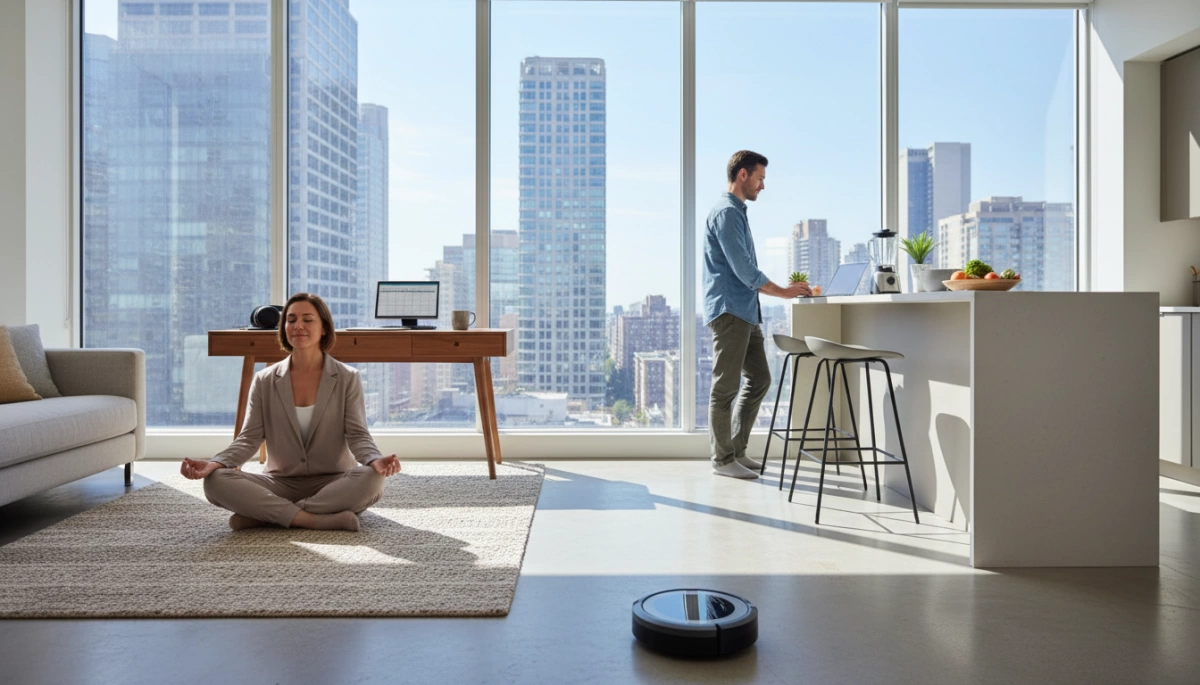
Feeling like life is rushing by in a blur? The Art of Mindful Living: Finding Balance in a Busy World isn’t about escaping your schedule—it’s about reclaiming calm while you’re in the thick of it. If you’re juggling work, family, and endless to-dos, this guide is for you. Here, you’ll discover practical strategies to break free from autopilot, reduce stress, and bring intentional focus into every moment. Ready to find balance without slowing down? Let’s get started.
Demystifying Mindfulness: It’s More Than Meditation
Mindfulness often brings to mind long meditation sessions or sitting quietly on a yoga mat. But it’s far more accessible than that — it’s not about carving out an hour of silence or mastering complex postures. At its core, mindfulness means giving intentional attention to the present moment without judgment. It’s about noticing what’s happening right now, whether you’re washing dishes, walking, or simply breathing.
Modern science backs this up. Studies in neuroplasticity show that practicing mindfulness actually rewires your brain, strengthening areas responsible for focus and emotional regulation. Plus, mindfulness helps reduce cortisol—the stress hormone—so your mind feels clearer and calmer. By slowing down, even briefly, you support your brain’s ability to manage stress and boost cognitive focus.
Remember: Mindfulness is a tool for stress reduction and improving mental clarity, not a rigid routine to perfect. It fits right into your busy life, helping you find balance in a hectic world.
The Morning Reset: Starting Before the Chaos
The first 15 minutes of your day set the tone for everything that follows. A simple but powerful habit is the ‘No-Phone’ Rule—resisting the urge to check emails or scroll social media right after waking up. Jumping into reactive mode first thing floods your mind with stress and distractions, making mindfulness and mental clarity much harder to achieve throughout the day.
Instead, use this quiet time to set an intention or choose a daily theme such as patience, focus, or gratitude. This practice helps you steer your energy consciously, creating a sense of balance and purpose before the busy world takes over.
You can also turn everyday morning tasks into mindful routines. Whether you’re brushing your teeth or making your coffee, focus on the sensory details—the taste, smell, warmth, and texture—grounding yourself in the present moment. These small rituals build a foundation for stress reduction techniques and promote work-life balance strategies from the very start.
Incorporating these mindful morning habits supports a holistic wellness approach, offering a gentle way to slow down and prepare mentally for the demands ahead. For those looking to complement mindful living with thoughtful self-care, exploring how to dress with confidence can also enhance your presence and boost mental clarity throughout the day.
Mindfulness at Work: Surviving the Grind
In today’s busy work environment, multitasking is often praised, but it’s actually a productivity killer. Juggling several tasks at once scatters your focus and increases stress, undermining mental clarity and work-life balance strategies. Instead, single-tasking—giving your full attention to one task at a time—helps restore flow and improves cognitive focus, making your work feel less overwhelming.
Before responding to stressful emails or diving into back-to-back meetings, try the STOP method to bring mindfulness into your workday:
- Stop: Pause whatever you’re doing.
- Take a breath: Slow, deep breaths to calm your nervous system.
- Observe: Notice your thoughts, feelings, and body sensations without judgment.
- Proceed: Move forward with intention and clarity.
Incorporating micro-breaks can also reduce stress and boost productivity. Techniques like the Pomodoro method—working 25 minutes then taking short breaks—or simple 2-minute breathing windows help lower cortisol levels and reset your focus. These small pauses are crucial for maintaining emotional intelligence and sustained concentration during the work grind.
By embracing these stress reduction techniques, you can create a mindful routine at work that supports both mental clarity and holistic wellness, helping you find balance even on your busiest days.
Digital Minimalism: Reclaiming Your Attention
In today’s fast-paced world, conscious living starts with how we interact with technology. Instead of mindlessly scrolling through endless feeds, shifting to intentional technology use can help reduce stress and improve mental clarity. This approach means choosing when and how you engage with your devices, focusing on tools that add value rather than distractions that drain energy.
Managing notifications plays a crucial role in this shift. Turning off non-essential pings frees your mind from constant interruptions, lowering cortisol levels linked to stress and helping to maintain cognitive focus improvement. This small change supports deeper concentration and better work-life balance strategies.
Lastly, establish a digital sunset—a tech-free window before bed to improve rest quality. Avoid screens for at least 30 minutes before sleep, allowing your nervous system to relax and your mind to unwind. This mindful habit supports holistic wellness by improving sleep patterns and reducing anxiety, setting you up for a calmer, more balanced day ahead.
By embracing these simple but effective digital detox benefits, you take back control of your attention and create space for true presence in your everyday life.
Mindful Relationships: Being Present for Others
Building strong, mindful relationships means truly being present with others. Deep listening is key here—it’s about listening to understand, not just to respond. When we listen this way, we connect more authentically, which boosts emotional intelligence and strengthens bonds.
Remember, quality over quantity matters. Even just 10 minutes of undivided attention can be more meaningful than an hour filled with distractions. This kind of present moment awareness shows others they matter, helping to reduce stress in your interactions and promote holistic wellness.
Setting compassionate boundaries is also crucial. Learning to say “no” mindfully protects your energy and supports a better work-life balance. It helps prevent burnout and keeps your relationships healthy by respecting both your needs and those of others.
Together, these mindful relationship strategies contribute to conscious living, improving your emotional connections and overall mental clarity.
The Art of Slowing Down at Home
Slowing down at home is a key part of finding balance in a busy world. One simple way to start is through mindful eating. Instead of rushing meals or eating in front of the TV, focus on the texture, taste, and aroma of your food. This not only enhances your enjoyment but also helps with digestion and develops healthier mindful eating habits.
Creating transition rituals is another powerful strategy for work-life balance. Whether it’s changing your clothes, lighting a candle, or taking a short walk, these mental or physical boundaries clearly mark the end of your workday and the beginning of personal time. These rituals help shift your mindset so you can fully relax at home.
Lastly, don’t underestimate the value of embracing boredom. Unstructured downtime might feel uncomfortable at first, but it is essential for creativity and mental decompression. Allowing your mind to wander during these quiet moments supports cognitive focus improvement and emotional intelligence.
Overcoming Obstacles: When Mindfulness Feels Impossible
One of the biggest hurdles to mindful living is the common misconception: “I don’t have time.” But here’s the truth—mindfulness isn’t about adding tasks to your day. Instead, it helps you reclaim time by clearing mental clutter. When your mind is less scattered, you can focus better, reduce stress, and get more done with less effort. It’s a powerful work-life balance strategy that boosts mental clarity and overall well-being.
Setbacks happen—mindfulness isn’t about perfect focus all the time. Losing attention is normal. The key is how you return to the present. Treat mindfulness as a gentle practice, not a strict rule. When your mind drifts, simply notice it without judgment and bring yourself back. This approach builds emotional intelligence and helps manage anxiety more effectively, making mindful living a sustainable part of a busy lifestyle.

Related Posts