You might not realize it, but your clothes are constantly sending messages—to yourself and everyone around you. It’s not just about style or trends; this is the fascinating world of the psychology of fashion. From the colors you choose to the fit of your outfit, every sartorial decision taps into deeper psychological forces, shaping your mood, your confidence, and how others perceive you. Curious about how your wardrobe impacts your mind and your reputation? You’re about to uncover the science behind enclothed cognition and discover what your clothes really say about you. Let’s get into it.
The Internal Shift: Enclothed Cognition and Mood Boost
Have you ever noticed how slipping into certain clothes changes the way you think and feel? That’s the power of enclothed cognition—the psychological impact your sartorial choices have on your mindset and behavior. A famous example is the lab coat experiment, where participants wearing a doctor’s coat performed better on attention-related tasks. Their brains adopted a more focused mindset simply because of what they were wearing.
But it’s not just about attention. Your clothes affect your whole body and brain in a feedback loop:
- Posture improves as you dress deliberately, which can signal confidence both to yourself and others.
- Hormones like testosterone and cortisol shift based on how you feel in your outfit, affecting stress levels and assertiveness.
- This, in turn, reinforces your self-esteem, creating a cycle where dressing well boosts confidence, leading to better performance and mood.
This connects closely to dopamine dressing—wearing outfits that make you feel good triggers dopamine, the brain’s “feel-good” chemical. Wearing clothes you love isn’t just about looking great; it’s about harnessing clothing and mood regulation to enhance your daily experience.
In short, what you wear changes not just how others see you, but how you see yourself—and that internal shift is where true style power lies.
Decoding the Color Spectrum: Emotion and Perception
Colors in fashion aren’t just about aesthetics—they send powerful non-verbal communication cues that shape how others perceive us and how we feel internally. Understanding the psychology behind color improves your sartorial choices and personal branding through style.
- Red is bold and attention-grabbing. It signals dominance, passion, and aggression, making it perfect for moments when you want to assert authority or energize a room. However, it’s best avoided in overly tense or confrontational situations where it might escalate conflict.
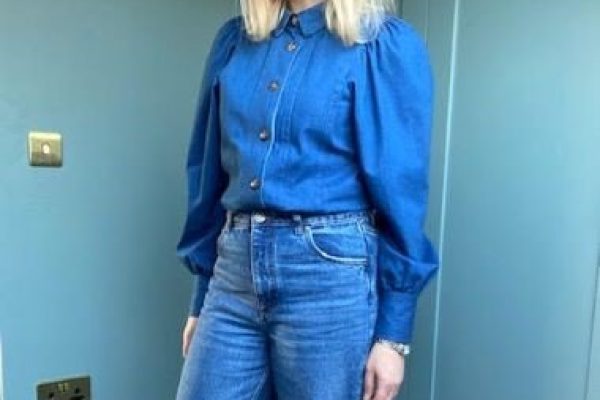
- Blue projects trust, stability, and competence. This makes it a go-to for corporate wear or interviews, tapping into the dress-for-success science that boosts credibility. Blue tones foster a calm but confident impression, ideal for professional settings.
- Black stands for authority, sophistication, and emotional shielding. It’s an all-time classic that conveys seriousness and control, often used to project power or to create a sense of mystery. Black’s versatility also allows it to serve as a backdrop for other statements in your outfit.
- Neutrals and pastels express approachability, softness, and non-confrontation. These hues are welcoming and flexible, great for casual or social situations where you want to appear open and friendly. Soft tones help regulate mood gently while maintaining style.
Style Archetypes and Personality Traits
Our sartorial choices often mirror our personality traits, revealing more about us than we might realize. Understanding these style archetypes can offer insight into your wardrobe psychology and how fashion serves as a tool for personal branding through style.
- The Minimalist: This style reflects a preference for control, organization, and a clutter-free mindset. Minimalist dressers favor simple, streamlined pieces that project clarity and focus. Their wardrobe is carefully curated to express calm and efficiency, highlighting cognitive behavioral impact of clothing in creating order and discipline.
- The Logomania/Trend-Chaser: Individuals drawn to this style often seek social validation. The heavy use of designer logos and the latest trends helps signal status and membership in cultural or social groups. This archetype links closely to status anxiety, as sartorial choices act like non-verbal communication cues to elevate social standing.
- The Creative/Eclectic: This style signals openness, non-conformity, and independence. Mixing patterns, textures, and unexpected combinations showcases a willingness to defy norms and express true inner truth aligned with outer expression. Fashion therapy plays a role here, as these choices boost mood and convey authentic identity.
- The Classic/Traditional: Grounded in conscientiousness and reliability, this archetype represents resistance to change. Clothing here is timeless, structured, and polished, suggesting stability and responsibility. Such style choices contribute to the Halo Effect in fashion, influencing perceptions of intelligence and trustworthiness.
Recognizing your own style archetype not only enhances self-perception theory but sharpens how you use clothing as a powerful form of non-verbal communication.
The Semiotics of Fit and Texture
When it comes to sartorial choices, fit and texture send powerful non-verbal communication cues about who you are. Tailored clothing often signals discipline, control, and higher social status. It suggests you pay attention to details and respect the occasion. On the other hand, loose fitting clothes can communicate comfort and relaxation—but context matters. In professional or formal settings, loose or baggy clothes might come off as careless or sloppy, whereas in casual environments, they can signal ease and approachability.
Texture also plays a subtle role. Smooth, sleek fabrics like silk or fine wool give off sophistication, while rougher textures such as chunky knits often evoke warmth and approachability.
Formal versus casual dressing taps into the Halo Effect in fashion—where how well you dress influences how others perceive your intelligence, kindness, and overall success. Well-fitted, polished outfits can elevate first impressions, giving you a confidence boost and subtly shifting social dynamics in your favor.
To nail this balance, check out practical advice on how to look polished and professional, which covers fitting and style tips that enhance your personal branding through style.
For mastering workplace or social settings, understanding dress cues can transform your presence—whether it’s tuning your fit or picking the right texture to match your mood and message.
Contextual Psychology: Dressing for the Occasion
Understanding the psychology behind dressing for different settings is key to making the right sartorial choices. Your clothes act as non-verbal communication cues that influence how others perceive you—and how you perceive yourself.
Workplace Dynamics: Business Casual Anxieties and Zoom-Era Power Suits
The shift to remote work has transformed traditional dress codes. Many feel caught in the uncertainty of business casual expectations, torn between comfort and professionalism. On video calls, power suits or polished tops work as a visual shortcut to competence and confidence, amplifying the Halo Effect in fashion. This cognitive behavioral impact of clothing not only shapes how coworkers see you but also boosts your own focus and mindset.
Social & Romantic: Balancing Authenticity and Attraction
First impressions count, especially on dates. What you wear sends strong signals about your personality and intentions. Dressing authentically helps maintain self-perception theory—where your clothes reinforce your sense of self—while choosing colors and fits that attract attention or express approachability plays into color psychology in fashion. For example, soft neutrals suggest warmth and openness, whereas bold colors may convey confidence or passion.
Finding your balance between expressing who you really are and catching interest requires some fashion therapy—understanding how your wardrobe affects mood and social interaction.
Dressing for the occasion is more than a practical decision—it’s a subtle dance of context, culture, and self-expression that shapes your social narrative every day.
The Shadow Side: Retail Therapy and Insecurity
Clothing isn’t just about style or self-expression—it can also reflect deeper emotional needs. Compensatory consumption happens when we buy clothes to fill emotional voids or to project a fantasy version of ourselves. It’s a way to mask insecurity or boost self-esteem temporarily, often leading to overindulgence in fashion that doesn’t always align with our true selves.
Another common issue is the Spotlight Effect, where we overestimate how much others notice our outfit flaws. This cognitive bias can cause unnecessary anxiety about what we’re wearing, making us feel more exposed or judged than we actually are. Getting a grip on these psychological traps is important for healthier wardrobe choices and a more authentic style.
If you want to break the cycle of emotional shopping, try auditing your wardrobe for pieces that truly make you feel good—not just ones bought on impulse. For tips on managing your closet thoughtfully, check out guidance on how to get your wardrobe refreshed in ways that support emotional well-being.
Curating Your Narrative Through Fashion
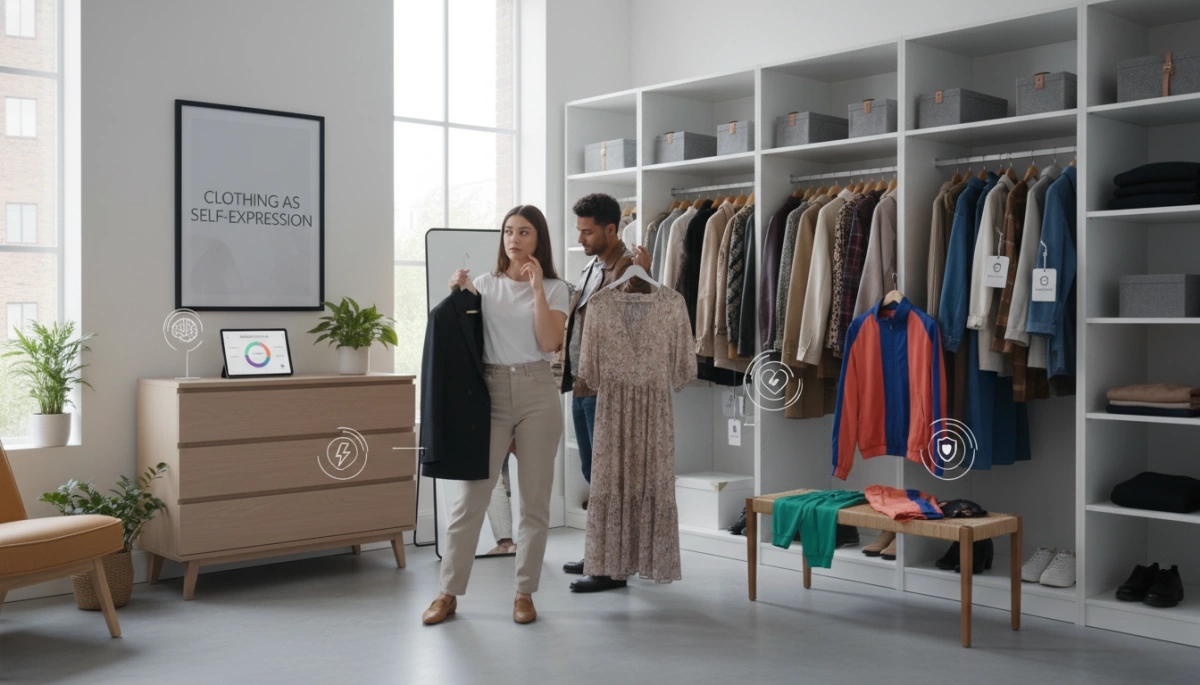
Your clothing is more than just fabric—it’s a powerful tool for self-empowerment and personal branding through style. When you curate your wardrobe thoughtfully, you’re crafting a narrative that reflects your inner truth aligned with outer expression. This means choosing pieces that boost your mood, confidence, and communicate the message you want to send to the world.
Start by auditing your closet with intention:
- Identify emotional impact: Which clothes make you feel energized, confident, or calm? Keep those that elevate your mood through dopamine dressing.
- Evaluate the message: Consider what your sartorial choices say about you. Are they consistent with your personality and goals?
- Align with your style archetype: Whether minimalist, classic, or creative, ensure your wardrobe tells a coherent story about who you are.
This wardrobe psychology approach helps sharpen your self-perception theory in action—wearing clothes that genuinely represent you reinforces your mindset and how others perceive you.

Related Posts