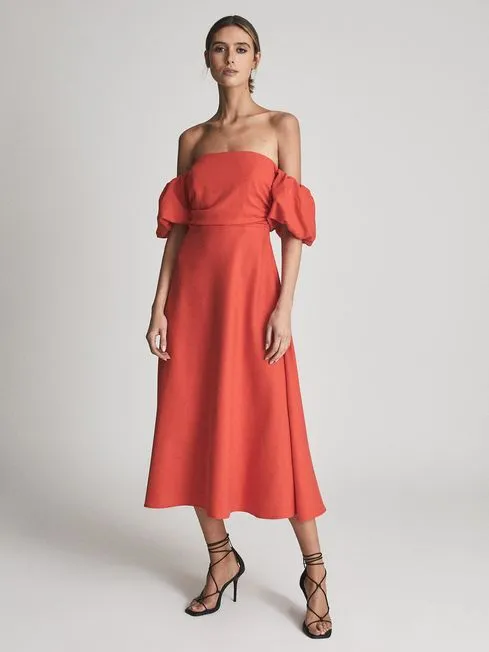
You open the invitation. “Black tie optional.” Your closet suddenly looks like a costume shop for the wrong play. You’ve got 48 hours, no clear plan, and the last time you bought something formal was 2019.
This is the exact problem. Not “finding your style” or “building a capsule wardrobe.” It’s the specific, time-pressured need to walk into a room looking appropriate, comfortable, and put-together without spending $400 on a single-use dress.
Here’s the plan. Seven sections, seven real scenarios. You pick your event, follow the steps, and stop the panic.
Decode the Dress Code in 30 Seconds
Most people overthink this. The invitation says “cocktail” and they Google “cocktail dress 2026 trends” for an hour. Stop. Dress codes are shorthand for three things: hem length, fabric formality, and shoe type. That’s it.
Black tie means floor-length gown or a very formal cocktail dress (think silk, velvet, satin). Men: tuxedo, black bow tie, patent leather shoes. No exceptions. A dark suit is not black tie.
Black tie optional means you can wear a tuxedo or a very dark suit with a white dress shirt and conservative tie. Women: floor-length or midi in luxe fabric. The Reformation Dita dress ($248) works here in black or navy. It’s simple, no sequins, hits the ankle.
Cocktail is the most flexible. Hemline above the knee or midi. Fabrics can be crepe, lace, or structured cotton. Men: dark suit, crisp shirt, no tie required but a tie elevates it. Avoid anything that looks like a work dress — cocktail has personality.
Business formal means no exposed shoulders, no sheer panels, no loud prints. Think sheath dress with a blazer or a tailored pantsuit. The MM.LaFleur Sasha dress ($295) is a go-to. It reads as serious but not stuffy.
Casual does not mean sweatpants. It means dark jeans without rips, a blazer or nice sweater, clean sneakers or loafers. For the Everlane Day Glove ($158) in black leather, this is the moment.
One rule: if you have to ask “is this too much?” it probably is. Dress for the venue, not the Instagram photo.
The 3-Question Self-Check Before You Buy Anything
You’re standing in a store or scrolling a site. Stop. Ask these three questions. They’ll save you from the “I bought this and never wore it” pile.
1. Where is the event? A rooftop bar in July is not the same as a church in December. Venue dictates fabric weight, sleeve length, and shoe practicality. Outdoor garden wedding? Block heel, not stiletto. The grass swallows thin heels.
2. What time does it start? Daytime events call for lighter colors, softer fabrics, and less shine. A 3 PM wedding in spring: midi dress in cotton sateen, nude block heel, minimal jewelry. Evening event starting at 7 PM: darker tones, richer textures, more deliberate accessories.
3. What will you do there? Standing at a cocktail hour for 90 minutes requires comfortable shoes. Sitting through a three-course dinner means no dress that digs into your ribs. Dancing? Skip the strapless top that needs constant adjustment.
Write down the answers. Then shop. If a piece doesn’t fit all three answers, it’s the wrong piece.
Build a Rental Wardrobe for Under $100
You don’t need to own a gown. You need to wear a gown. That’s a different problem with a cheaper solution.
Rent the Runway charges $30–$70 for a four-day rental of designer dresses worth $300–$800. The actual cost per wear: $50 for a Badgley Mischka sequin gown that retails for $595. That’s a 92% savings.
Nuuly ($98/month) gives you six items per month. If you have two events in a month, you’re paying $16 per outfit. The rotation includes brands like Farm Rio, Free People, and Reformation. You get new items every month. No dry cleaning bills.
For men, The Black Tux rents suits and tuxedos starting at $95. The fit is consistent because they send you a try-on at home first. No last-minute tailoring panic.
When rental makes sense: black tie event you’ll attend once, wedding where you’re a guest (not in the wedding party), themed party (1920s, Great Gatsby, costume-adjacent). When to buy instead: you attend 3+ formal events per year, you’re the host, or the piece works for work events too.
One rental tip: order the backup size. Rent the Runway lets you add a second size for $10 extra. Do it. Sizing varies wildly between brands, and you don’t want to discover a dress is too tight at 6 PM.
Black Tie Without a Gown: The Pantsuit Option
Here’s an opinion that might save you $200: you do not have to wear a dress to a formal event. A well-tailored pantsuit in a formal fabric reads just as appropriate, and often more memorable.
The trick is fabric and fit. A pantsuit in wool crepe or silk satin with a high-waisted wide leg and a structured blazer is formal. A pantsuit in cotton or linen is not. The difference is $100 in fabric quality and $50 in tailoring.
The Veronica Beard Dickey blazer ($595) paired with the matching wide-leg trouser ($425) in black or midnight blue is a proven combination. It’s expensive, but if you attend 2+ formal events per year, the cost per wear drops fast.
For a lower price point, Aritzia’s Babaton line offers the Sculpt Knit blazer ($198) and the Effortless pant ($148) in crepe. The total is $346. Add a silk cami underneath ($60–$80) and you’re at $426 for a full formal look that works for multiple seasons.
Shoes: pointed-toe pump or strappy heel in black or nude. No open-toe sandals for black tie. The Sam Edelman Hazel pump ($120) in black patent is a reliable choice. It has a cushioned insole, which matters when you’re standing for photos and cocktails.
Accessories: one statement piece. Either earrings or a necklace, not both. The Mejuri Dome Hoops ($98) in 14k gold vermeil are understated enough for formal but visible. Skip the clutch — wear a small crossbody that stays against your body. The Longchamp Le Pliage Cuir crossbody ($395) in black fits a phone, lipstick, and card case without looking bulky.
Wedding Guest: The Exact Outfit Formula
Weddings are the most common event people stress about. Here’s the formula that works for 90% of wedding guest situations. Adjust by one variable at a time.
Base formula: Midi dress in a structured fabric + block heel + crossbody bag + simple jewelry.
Why midi? It’s appropriate for church, outdoor, and evening venues. It covers enough to be respectful but shows shape. Why block heel? Grass, gravel, dance floors, and standing for 4 hours. Why crossbody? You need both hands for champagne and cake.
Dress options at three price points:
- Under $150: Lulus Graceful Midi Dress ($88) in navy or blush. Polyester crepe, hidden pockets, available in sizes XS–3X. It’s the most-bought wedding guest dress on the site for a reason.
- $150–$300: Reformation Suki Dress ($248) in black or forest green. Viscose crepe, bias cut, very flattering on most body types. Slightly more formal than Lulus, works for evening weddings.
- Over $300: Self-Portrait Midi Dress ($450) in floral jacquard. Feels like a splurge but the fabric and cut are noticeably better. For a wedding where you want to look expensive without trying.
Shoes: The Naturalizer Jayla block heel ($89) in nude or black. 2.5 inch heel, cushioned footbed, available in narrow and wide widths. You can dance in these. I have seen it happen.
One failure mode to avoid: wearing white or cream. Even if the invitation says “wear white” or “all white party” — don’t do it unless the couple explicitly asks for it. You’ll look like you’re competing with the bride. Stick to navy, blush, sage, burgundy, or black.
Another failure: showing too much skin at a church or conservative venue. If the ceremony is in a house of worship, cover your shoulders. Bring a bolero or wrap. The ASTR the Label Lace Bolero ($68) in black is a fast fix.
What to Wear When the Dress Code Says “Creative Black Tie”
This is the dress code that confuses everyone. “Creative black tie” means formal but with personality. Think of it as black tie’s cooler cousin who wears velvet and a bold lip.
The rules: still floor-length or very formal midi. Still luxe fabric. But now you can play with color, texture, and accessories. A burgundy velvet gown. A deep emerald jumpsuit. A black dress with exaggerated sleeves or an asymmetrical neckline.
For men: tuxedo jacket but swap the bow tie for a black skinny tie or no tie at all. Velvet slippers instead of patent leather. A colored pocket square. The key is that every piece is still intentional and expensive-looking. Nothing reads as “I didn’t try.”
Specific outfit example: The Mac Duggal Embellished Gown ($398) in midnight blue with sequined bodice and floor-length skirt. Pair with silver strappy heels (the Schutz Talita sandal ($198) in silver) and a small metallic clutch. Hair up to show the neckline. Lipstick in a deep berry shade.
If you want a jumpsuit, the Norma Kamali One-Shoulder Jumpsuit ($195) in black jersey is a classic. It’s one piece, no fitting issues, and the jersey fabric drapes well without wrinkling. Add a wide gold cuff bracelet and you’re done.
What not to do: wear a cocktail dress that’s too short. Creative black tie is still formal. Hemline at or below the knee. Also skip anything that looks like club wear — sequin minidresses, cutouts, sheer panels. The “creative” part is about color and texture, not skin exposure.
When to Break the Rules (And When Not To)
Rules exist for a reason. But sometimes, breaking one makes sense. Here’s the framework for deciding when to deviate.
Break the rule when: you know the venue and crowd personally. If you’re attending a close friend’s backyard wedding in August, you can wear a sundress that hits above the knee. The dress code says “cocktail” but the reality is 95 degrees and grass. Comfort wins.
Break the rule when: the event has a theme that overrides formality. A “Great Gatsby” party at a hotel ballroom calls for fringe and feathers, even if the base dress code is black tie. The theme is the actual dress code.
Do not break the rule when: you are meeting the host’s family or professional contacts for the first time. A conservative choice signals respect. Save your personality for the accessories.
Do not break the rule when: the invitation explicitly states a dress code. “Black tie” does not mean “a dark suit is fine.” It means tuxedo or gown. Ignoring this is disrespectful to the host who paid for the venue and expects a certain look.
Do not break the rule when: you’re unsure. If you have to ask “can I wear this?” the answer is no. Go with the safer option. You’ll feel more comfortable, and comfort shows in your posture and confidence.
One more thing: shoes are not flexible. If you wear sneakers to a black tie event, you will look out of place. If you wear stilettos to an outdoor garden party, you will sink into the ground and be miserable. Choose shoes based on the floor surface and standing time, not just the look.
Here’s the condensed version of everything above:
| Event Type | Hemline | Fabric | Shoes | Price Range |
|---|---|---|---|---|
| Black Tie | Floor-length | Silk, velvet, satin | Closed-toe pump | $200–$600 |
| Black Tie Optional | Floor-length or midi | Luxe crepe, silk | Pump or block heel | $150–$400 |
| Cocktail | Above knee or midi | Crepe, lace, cotton | Block heel or strappy | $80–$300 |
| Business Formal | Knee or midi | Wool, crepe, cotton | Closed-toe pump or loafer | $100–$350 |
| Casual | Any | Cotton, denim, knit | Sneaker, loafer, flat | $30–$150 |
| Creative Black Tie | Floor-length or midi | Velvet, sequin, brocade | Strappy heel or metallic | $200–$500 |
| Wedding Guest | Midi | Crepe, polyester, cotton | Block heel | $80–$450 |
Pick your event. Match the row. Buy or rent accordingly. No panic, no returns, no regrets.

Related Posts