
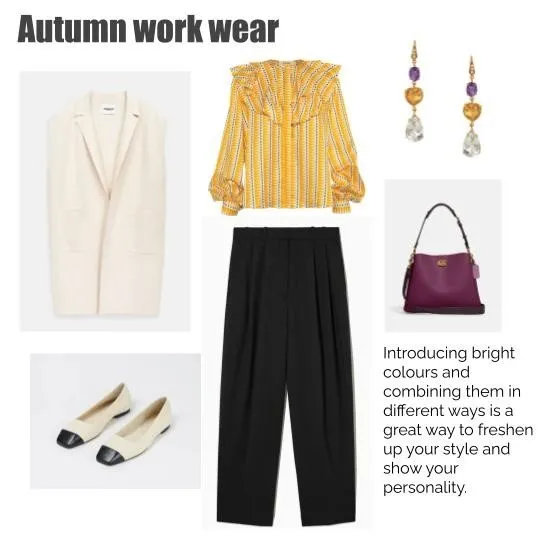
I spent my first two years out of college dressing like I was about to be audited. Navy blazer, pleated khakis, a tie that my dad gave me. I thought “polished” meant looking stiff, uncomfortable, and a little bit sad. Then I sat next to a partner at my firm who wore a merino sweater, dark jeans, and loafers with no socks. He looked ten times more put-together than I did. That’s when I realized: polished is not about formality. It’s about intentionality.
Polished and professional means your clothes fit correctly, your colors work together, your details are clean, and nothing looks like an accident. It’s a system, not a suit. Here’s what I’ve learned after a decade of getting it wrong and then getting it right.
1. Fit Is the Only Thing That Matters (Everything Else Is Secondary)
You can spend $3,000 on a jacket. If it sags at the shoulders or bunches at the waist, you look sloppy. Conversely, a $50 blazer from a thrift store, tailored to your body, will read as expensive and intentional. Fit is the foundation. Nothing else works until this is solved.
The Three Measurements That Kill or Save Your Look
Shoulder seam. The seam of your shirt or jacket should sit exactly at the edge of your shoulder bone. Not hanging off. Not pulling. If it’s off by even half an inch, the whole garment looks borrowed. This is the most common failure point in off-the-rack clothing.
Pants break. Your trousers should have one clean crease at the front of the ankle — what tailors call a “half break.” No pooling fabric around your shoes. No high-water look. For most men, that means a 30-inch inseam if you’re 5’10” and a 28-inch if you’re 5’7”. For women, hem trousers so they hover just above the floor in flats, or hit the top of the foot in heels.
Sleeve length. Your shirt cuff should show about a quarter-inch past your jacket sleeve. That sliver of white fabric is the single cheapest way to look like you know what you’re doing. If your jacket sleeves cover your hands, get them hemmed. It costs $15 at any dry cleaner.
Where to Spend on Fit vs. Where to Save
I buy my dress shirts from Charles Tyrwhitt ($95 each) and take them to a local tailor for $18 worth of darting and sleeve shortening. The result fits better than a $400 custom shirt. For trousers, I’ve had great luck with Bonobos ($128) — their “athletic fit” works if you have thighs, and the waist is adjustable without looking weird. Suits? Suitsupply ($499-$899) includes basic alterations in the price. I own three. They all fit like they were made for me.
| Garment | Sweet Spot Price | Where to Buy | Tailoring Cost |
|---|---|---|---|
| Dress shirt | $80-$120 | Charles Tyrwhitt | $15-$25 |
| Chinos / trousers | $100-$150 | Bonobos, Banana Republic | $10-$15 (hem) |
| Blazer / suit jacket | $400-$700 | Suitsupply | $40 (sleeves + waist) |
| Jeans (dark, no rips) | $80-$150 | Levi’s 511, Everlane | $10 (hem) |
2. The Fabric Tells the Story Before You Do
I once bought a “wool” blazer from a fast-fashion brand for $80. It was 100% polyester. By noon, it was shiny at the elbows and smelled like a camping tent. Fabric is not a detail — it’s the whole point. Natural fibers breathe, drape, and age well. Synthetics pill, trap odor, and look cheap under any lighting.
What to Look For on the Tag
Cotton. Oxford cloth for casual button-downs (Brooks Brothers, $98). Twill for trousers (J.Crew 484 fit, $88). Avoid anything labeled “wrinkle-resistant” — that’s a chemical coating that breaks down after six washes.
Wool. Tropical wool for year-round suits (weight: 8-9 oz). Flannel for winter (11-12 oz). My go-to is the Spier & Mackay navy suit ($398, half-canvassed, 100% wool). It’s the best value in tailoring right now.
Linen. Only wear it if you accept the wrinkles. Linen that isn’t wrinkled looks fake. Buy from Muji ($59 for a linen shirt) — their loose weave is actually comfortable in humidity.
Cashmere. Don’t buy cheap cashmere. $100 cashmere is 10% cashmere and 90% acrylic. Save for Naadam ($175 for a 100% cashmere crewneck) or Johnstons of Elgin ($295) — they source from the same mills as Loro Piana but charge half.
3. Color and Contrast: The Easiest Way to Look Intentional
Here’s the rule I use: three colors max, one neutral base. If you wear a navy blazer, charcoal trousers, a white shirt, and brown shoes, that’s three colors (navy, charcoal, brown) plus white. It works because the contrast is clear. If you add a burgundy tie, you’re at four. That’s the limit.
The biggest mistake I see is tonal mush — beige shirt, tan pants, brown jacket, camel shoes. Nothing pops. You look like a cardboard box. Professional style requires visible structure. Light against dark. Saturated against muted.
My Go-To Color Combos
- Navy + grey + white. Works for every meeting, every season. Navy jacket, light grey trousers, white oxford. Brown or black shoes both work.
- Olive + cream + tan. Great for creative offices. Olive chinos (Bonobos, $98), cream sweater (Everlane cashmere crew, $100), tan desert boots (Clarks, $110).
- Charcoal + black + white. The formal power combo. Charcoal suit, black knit tie, white shirt. No pattern. No texture. Just clean lines.
- Burgundy + navy + off-white. A bold but controlled look. Burgundy chinos (Uniqlo, $40), navy blazer, cream button-down. Shoes in dark brown or oxblood.
4. The Details That Separate Polished From Sloppy
You can nail fit and fabric and still look unpolished if your details are off. I learned this the hard way when a client pointed at my watch and asked if it came from a gas station. It did. I stopped wearing it.
Three Details You Must Fix Today
Your shoes. Polished shoes are non-negotiable. I wear Meermin oxfords ($210, calfskin) for formal days and Loake 1880 loafers ($350) for smart-casual. Both are Goodyear-welted — they can be resoled for $60 and last a decade. If you wear sneakers, make them white leather (Common Projects, $400, or the knockoff version from Greats, $179) and keep them clean. Yellowed soles = instant downgrade.
Your collar. A floppy collar kills a dress shirt. Buy shirts with fused or lined collars — they hold their shape. Brooks Brothers’ “non-iron” shirts ($98) have fused collars that stay crisp through 50 washes. Uniqlo’s $30 shirts do not. You get what you pay for.
Your belt. Match your belt to your shoes. Not “close enough.” Exactly. Black shoes = black belt. Brown shoes = brown belt. Tan shoes = tan belt. If you wear a belt with a giant logo buckle, throw it away. A simple brass or silver buckle from Anson Belt ($40) or Filson bridle leather ($75) is all you need.
5. When Polished Means Less, Not More
I used to think “professional” meant adding layers — a tie, a vest, cufflinks, a pocket square. I was wrong. Polished often means subtracting. The most put-together people I know wear fewer items, better made, with more space between them.
Here’s a test: if you look at your outfit and can’t immediately point to the focal point, you’re wearing too much. A good outfit has one star — a bright tie, a textured jacket, a pair of standout shoes. Everything else is supporting cast.
The “One Statement” Rule
If your tie is patterned, your shirt should be solid. If your jacket is plaid, your trousers should be plain. If your shoes are bright suede, keep the rest neutral. This rule alone will fix 80% of the overdone outfits I see in photos from office parties and conference panels.
When NOT to Wear a Blazer
Blazers are not the default. If you’re in a creative field — tech, media, design — a blazer can read as trying too hard. Instead, wear a structured knit blazer (Theory, $450) or a dark chore coat (Carhartt WIP, $180). Same silhouette, lower formality, still polished. I wear my Carhartt WIP Michigan coat with a white tee and grey wool trousers. It’s my go-to for client meetings that aren’t suit-level.
6. The System That Makes It Automatic
I don’t think about what to wear anymore. I have a system. It took me four years to build, but now I can get dressed in three minutes and look better than I did when I spent an hour trying things on. Here’s the system.
My 12-Item Professional Wardrobe
- Two suits: Navy (Spier & Mackay, $398) and charcoal (Suitsupply Havana, $599). Both half-canvassed, both wool.
- Three dress shirts: White oxford (Brooks Brothers), light blue (Charles Tyrwhitt), pale pink (Charles Tyrwhitt). All with fused collars.
- Two pairs of trousers: Grey wool (Suitsupply, $249) and olive chinos (Bonobos, $98).
- Two sweaters: Navy crewneck cashmere (Naadam, $175) and charcoal merino v-neck (Uniqlo, $50).
- Two pairs of shoes: Black oxfords (Meermin, $210) and dark brown loafers (Loake, $350).
- One jacket: Navy unstructured blazer (Suitsupply, $399) or chore coat (Carhartt WIP, $180), depending on the week.
That’s it. Twelve items. They all mix and match. Every combination works. I spend zero mental energy on dressing, and I never look wrong.
How to Build Your Own System in One Weekend
Step one: pull everything out of your closet. Step two: get rid of anything that doesn’t fit, has a stain, or you haven’t worn in a year. Step three: identify the gaps. If you have five shirts but no trousers that match, buy one pair of grey wool trousers. Step four: spend $100 at a tailor on the pieces you kept. Step five: hang everything by color and category. Done.
Polished and professional is not a look you buy. It’s a system you build.

Related Posts


